

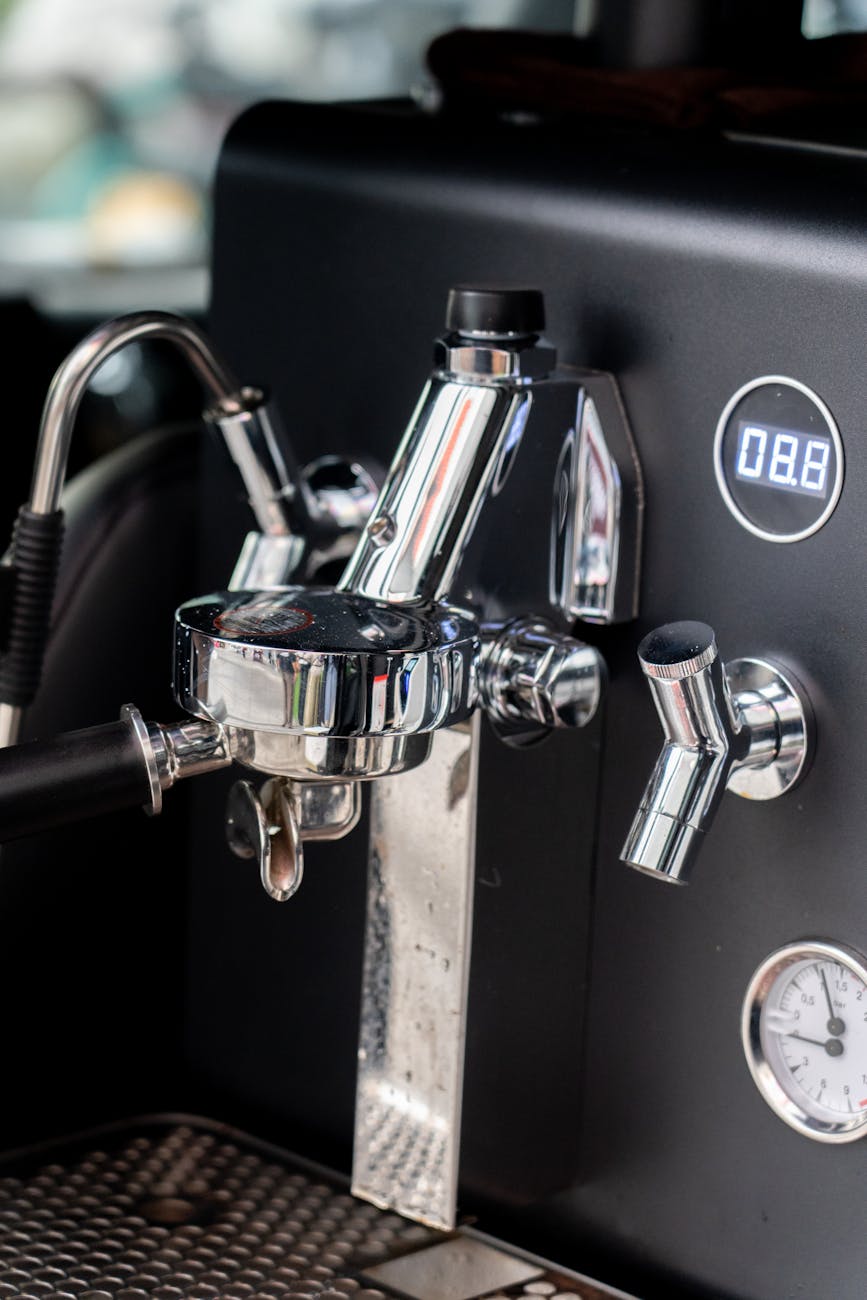
Why leveling tools are essential for a standard tamping process
The pursuit of the perfect espresso shot is a journey filled with variables. From bean freshness to grind size and water temperature, every detail matters. Among the most critical yet often overlooked steps is preparing the coffee puck before tamping. An inconsistent puck is the primary cause of an unbalanced, disappointing shot. While a good tamper is essential, its effectiveness is dramatically reduced if the coffee grounds beneath it are not perfectly distributed and level. This is where leveling tools, also known as coffee distribution tools, come into play. They are designed to eliminate guesswork and create a standardized foundation, ensuring your tamping process is repeatable and effective every single time, paving the way for consistent and delicious espresso.
Understanding the goal of tamping
Before we can appreciate what a leveling tool does, we must first understand the true purpose of tamping. Many newcomers believe tamping is simply about compressing the coffee grounds as hard as possible. In reality, its primary goal is to create a dense and uniformly level puck of coffee. This puck must provide consistent resistance to the hot water being forced through it by the espresso machine.
When the coffee bed is uneven, with some areas more dense than others, water will naturally follow the path of least resistance. This phenomenon, known as channeling, is the enemy of good espresso. Water rushes through the less dense spots, over-extracting those grounds and leaving them tasting bitter. Meanwhile, it bypasses the denser areas, under-extracting them and leaving a sour, acidic taste. The final result is a muddled cup that fails to represent the coffee’s true flavor potential. Therefore, creating a perfectly flat and evenly dense surface before applying tamping pressure is the most crucial step in preventing channeling.
The challenge of manual leveling
For decades, baristas have relied on manual techniques to level the grounds in their portafilter. Methods like the “Stockfleth move” or simply using a finger to swipe across the top of the grounds have been common practice. While a skilled and experienced barista can achieve a relatively level bed with these techniques, they are inherently inconsistent. Even for a professional, achieving the exact same distribution shot after shot is nearly impossible.
Several factors introduce variability:
- Human error: A slight change in wrist angle or finger pressure can create hidden pockets of low density within the puck.
- Coffee characteristics: Different coffees have different densities and levels of static, causing them to clump and distribute unevenly.
- Grinder output: Most grinders create small mounds or clumps in the portafilter, which are difficult to break up and spread evenly by hand.
These manual methods require a steep learning curve and constant focus. For the home barista, and even in a busy café environment, this inconsistency is a major hurdle to achieving repeatable, high-quality espresso. The tamp itself cannot fix an poorly distributed bed of coffee; it will simply compress the existing imperfections.
How leveling tools create a uniform coffee bed
A coffee leveling tool is engineered to solve the problem of inconsistency. These tools typically feature a set of fins or a wedge-shaped base designed to groom the coffee grounds. The process is simple: after dosing your coffee into the portafilter, you place the leveler on top and give it a few gentle spins. As it rotates, its blades glide through the top layer of the coffee grounds.
This action accomplishes two critical things simultaneously. First, it breaks up any clumps left by the grinder, ensuring a more homogenous texture. Second, it redistributes the grounds, moving them from the high spots to fill in the low spots and any air pockets. The tool’s depth is often adjustable, allowing you to set it perfectly for your specific dose. The result is a flawlessly flat and evenly distributed surface, providing the ideal canvas for a perfect tamp. It removes the variable of human skill from the distribution phase and replaces it with mechanical precision.
From a level bed to a standardized tamp
With a perfectly prepared coffee bed, the act of tamping becomes significantly simpler and more effective. A leveling tool standardizes the puck before the tamp, which in turn standardizes the tamping process itself. Instead of worrying about applying pressure unevenly to compensate for a messy coffee bed, your only job is to apply straight, vertical pressure.
This has a profound impact on consistency. A tilted tamp, where one side of the puck is more compressed than the other, is a leading cause of channeling. When the bed is already level, it is much easier to place the tamper flat on the surface and press straight down. This simple, repeatable motion ensures the entire puck is compressed to a uniform density. The table below highlights the key differences in the process.
| Feature | Manual Leveling (No Tool) | Using a Leveling Tool |
|---|---|---|
| Puck Surface | Often uneven, relies on skill | Consistently flat and level |
| Grounds Density | Prone to dense and loose spots | Evenly distributed across the puck |
| Risk of Channeling | High | Significantly reduced |
| Tamping Error | High risk of a tilted tamp | Tamping becomes a simple vertical press |
| Shot Consistency | Variable, hard to replicate | High, easy to replicate |
By using a leveling tool, you remove the guesswork and transform your puck preparation into a controlled, scientific process. This allows you to more accurately diagnose other issues, like an incorrect grind size, because you can be confident that your puck preparation is not the problem.
In conclusion, a leveling tool is far more than just another accessory for your coffee bar; it is a fundamental component for achieving consistency. By standardizing the preparation of the coffee bed, it addresses the root cause of channeling and inconsistent extraction. It transforms puck preparation from an art form reliant on elusive skill into a precise, repeatable science. This allows the subsequent tamp to be a simple, effective vertical press, ensuring uniform density throughout the puck. For any barista, whether a home enthusiast striving for perfection or a professional in a high-volume café, incorporating a leveling tool is a direct path to removing frustrating variables and unlocking consistently delicious espresso, shot after shot.


 No products in the cart.