

The ritual of preparing Turkish coffee is an art form, a cherished tradition steeped in history and culture. From the mesmerizing sight of the coffee rising in the cezve to the first sip of the rich, velvety brew, every step is deliberate. However, many enthusiasts focus so much on the grinding and brewing techniques that they overlook the single most crucial ingredient: the coffee itself. The secret to unlocking the true potential of Turkish coffee, with its iconic thick foam and profound aroma, lies not in a pre-ground tin but in the vibrant, volatile compounds found only in freshly roasted beans. This article will explore why freshness is not merely a preference but an absolute essential for achieving authentic, high-quality Turkish coffee.
The life and death of a coffee bean: a race against time
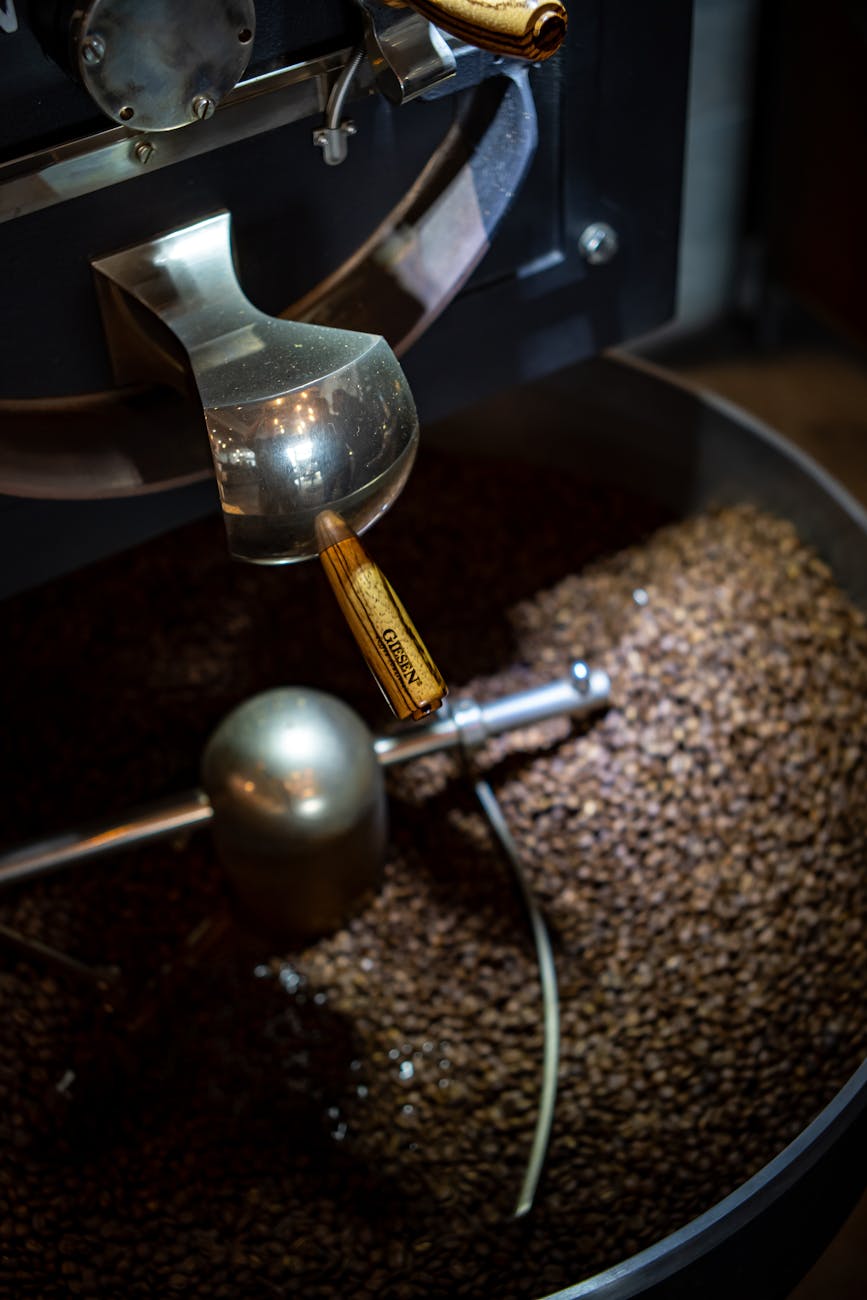
Once a green coffee bean is roasted, a countdown begins. The intense heat of the roaster triggers a series of complex chemical reactions, like the Maillard reaction and caramelization, which create the hundreds of aromatic and flavor compounds that define coffee. These compounds, however, are delicate and fleeting. The moment the beans leave the roaster, they are attacked by two primary forces of staling: oxidation and degassing.
- Oxidation is the enemy of flavor. When the fragile oils and soluble compounds within the bean are exposed to oxygen, they begin to break down. This process degrades the nuanced flavors of chocolate, nuts, and fruit, replacing them with a dull, papery, or even rancid taste. Because Turkish coffee requires an incredibly fine, powder-like grind, the bean’s surface area is dramatically increased. This makes it exceptionally vulnerable to rapid oxidation, turning a potentially vibrant coffee into a flat, lifeless brew in a matter of hours, let alone days.
- Degassing is the release of carbon dioxide (CO2) and other gasses trapped within the bean during roasting. While a short resting period of a few days is necessary for the flavor to stabilize, prolonged degassing is a clear sign of aging. This escaping CO2 is the very lifeblood of Turkish coffee’s signature foam.
The magic of the köpük: why foam depends on freshness
The thick, persistent foam, known in Turkish as köpük, is the crown jewel of a well-made Turkish coffee. It is far more than a visual garnish; it is a critical indicator of quality and a key component of the sensory experience. This creamy layer traps the most delicate aromas, releasing them slowly with each sip, and contributes to the coffee’s unique, velvety mouthfeel. The formation of a rich köpük is a direct result of the CO2 content in the coffee grounds.
When freshly roasted and ground coffee is gently heated with water in a cezve, the trapped CO2 is released, forming thousands of stable microbubbles. These bubbles are captured within the liquid, creating the dense, lasting foam. If you use stale, pre-ground coffee that has lost most of its CO2, the result is predictable and disappointing: a thin, bubbly scum that dissipates almost instantly, or worse, no foam at all. Without a proper köpük, the coffee lacks its characteristic texture and aromatic punch, fundamentally failing to deliver the authentic Turkish coffee experience.
Unlocking a world of aroma and flavor
Beyond the foam, freshness is the gatekeeper of coffee’s soul: its aroma and flavor complexity. The roasting process creates highly volatile aromatic compounds—the very molecules responsible for the enchanting smell of brewing coffee and the intricate notes in the final cup. These compounds are inherently unstable and begin to escape the bean immediately after roasting.
Brewing with beans that were roasted just days ago ensures that these compounds are captured in your cup. The experience begins the moment you open the bag, with an intense burst of fragrance. As you brew, your kitchen fills with a rich, inviting aroma that stale coffee simply cannot produce. The taste is equally transformed. Instead of a one-dimensional, often bitter flavor, you discover a multi-layered profile with distinct notes of dark chocolate, toasted spices, or subtle fruit, depending on the coffee’s origin. Using fresh beans elevates Turkish coffee from a strong, caffeinated drink to a sophisticated and deeply satisfying tasting experience.
A practical guide to achieving freshness
Embracing freshness is simple but requires a shift in how you buy and store coffee. The goal is to shorten the time between the roaster and your cezve as much as possible.
First, always buy whole beans. Grinding just before you brew is the single most effective step you can take to preserve flavor. Second, seek out roasters—either local or online—who print the “roasted on” date on their bags. Ignore “best by” dates, which are often meaningless. Your goal is to use the beans within a specific window after they were roasted. Finally, store your beans properly: in an opaque, airtight container at room temperature, away from heat and light. Avoid the refrigerator or freezer, as condensation can introduce moisture and damage the beans.
| Time After Roasting | Bean State & Quality for Turkish Coffee |
|---|---|
| 0-2 Days | Still degassing heavily. Foam might be too explosive; flavor underdeveloped. |
| 3-10 Days | Peak Window. Optimal CO2 for perfect köpük. Full aroma and flavor complexity. |
| 11-21 Days | Good, but declining. Noticeable loss in aromatic intensity. Foam may be less stable. |
| 3+ Weeks | Approaching staleness. Flat taste, weak aroma, and poor foam production. |
In conclusion, the pursuit of the perfect cup of Turkish coffee is a journey that begins long before the cezve is placed on the heat. It starts with the beans. Freshness is not a minor detail or a luxury for coffee snobs; it is the fundamental pillar upon which the quality of Turkish coffee rests. As we’ve seen, the vibrant, volatile compounds created during roasting are responsible for everything we cherish in this ancient brew: the rich, stable köpük, the intoxicating aroma, and the complex, layered flavor profile. By choosing whole beans with a recent roast date and grinding them moments before brewing, you honor the tradition and unlock a sensory experience that pre-ground, stale coffee can never deliver.

 No products in the cart.