

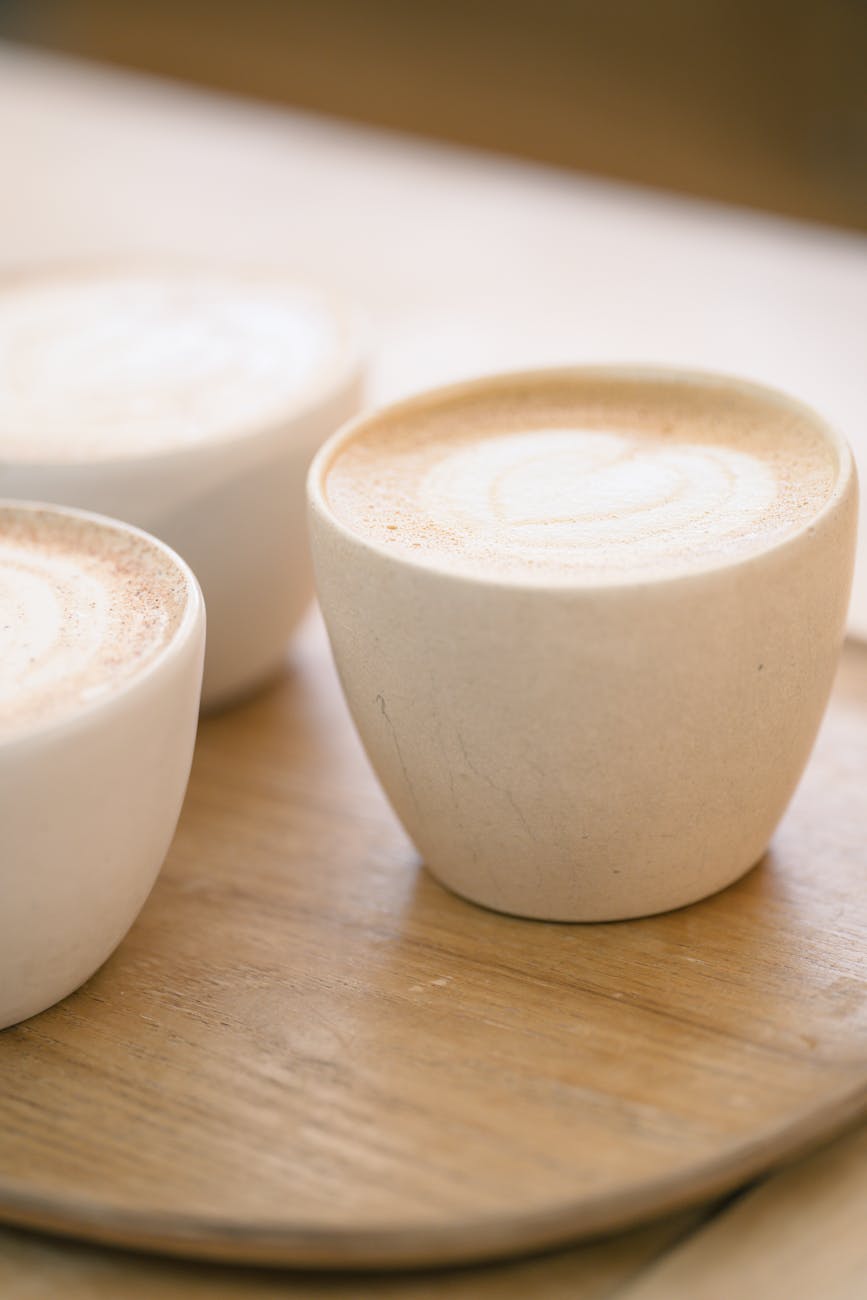
A perfect cappuccino is a delicate balance of rich espresso and creamy, frothed milk. The crowning glory is its foam—a thick, velvety layer that holds its shape and blends seamlessly with the liquid beneath. Yet, many home baristas face the frustrating problem of their foam quickly separating, deflating into a layer of dry, bubbly froth on top of watery, hot milk. This common issue ruins both the texture and the taste of the drink. This article explores the science behind why cappuccino foam separates and provides a comprehensive guide to stabilizing your recipe. We’ll break down the roles of milk composition, temperature, and technique to help you consistently create the silky, stable microfoam that defines a café-quality cappuccino.
The science behind perfect milk foam
To understand why milk foam fails, we first need to understand what makes it succeed. The magic lies in the complex chemistry of milk, which is primarily composed of water, fats, proteins, and sugars (lactose). The two most important components for creating foam are proteins and fats.
Milk contains two main types of proteins: whey and casein. When you introduce air and heat with a steam wand, these proteins perform a crucial job. The heat causes the proteins to partially denature, or unfold from their natural coiled state. In this unfolded state, they line up around the air bubbles you’re injecting, creating a protective film. One end of the protein is hydrophobic (repels water), and the other is hydrophilic (attracts water). This structure allows them to create a stable network that traps air, forming the foam.
Fats, on the other hand, have a more complex role. The small fat globules in homogenized milk contribute to the foam’s creamy mouthfeel and can actually strengthen the bubble walls. However, fat can also be a destabilizing agent. If the fat globules are too large or become destabilized, they can puncture the delicate protein-coated air bubbles, causing the foam to collapse. This delicate balance is why the type of milk you choose is so critical to your success.
Common reasons your cappuccino foam separates
Now that we understand the basic science, we can pinpoint exactly where things go wrong. Foam separation is rarely caused by a single issue but rather a combination of factors related to your ingredients and technique. By identifying the root cause, you can make targeted adjustments.
1. Incorrect milk temperature
Temperature is arguably the most critical variable in milk steaming. There is a “sweet spot” for creating stable foam, typically between 55-65°C (130-150°F).
- Milk is too cold: If the milk isn’t heated enough, the proteins won’t denature properly. They won’t be able to form a strong, elastic network to hold the air, resulting in a weak foam that collapses almost immediately.
- Milk is too hot: Overheating is just as damaging. If you heat the milk past 70°C (160°F), the proteins will completely denature and lose their structure, causing the foam to become thin and airy. You’ll notice large, soap-like bubbles and a “scalded” taste. The milk separates into a layer of very hot liquid and a stiff, dry foam on top.
2. The wrong choice of milk
Not all milk is created equal when it comes to foaming. For dairy, fresh, cold, whole milk is the gold standard. Its ideal balance of proteins, fats, and sugars creates a rich, creamy, and stable microfoam. Skim milk can produce a large volume of foam, but it’s often dry and brittle due to the lack of fat, leading to rapid separation. The freshness of your milk also matters; as milk ages, enzymes begin to break down the proteins, weakening their foaming ability.
For plant-based alternatives, success can be elusive. Milks like almond, soy, or rice often lack the necessary protein content to create a stable foam. This is why “barista edition” plant-based milks are so popular. They are specifically formulated with added proteins or stabilizers (like gellan gum) to mimic the foaming properties of dairy milk.
How to build a stable and long-lasting foam
Creating stable foam is a repeatable process. By controlling your ingredients and mastering your technique, you can eliminate the guesswork and achieve consistent results. It comes down to a few key steps.
Start with the right foundation
Always begin with fresh, cold milk straight from the refrigerator. The colder the milk, the more time you have to introduce air and texturize it before it reaches the optimal temperature. Using a cold metal pitcher will also help keep the temperature down for longer. For the best results with dairy, choose whole milk.
Master your steaming technique
The steaming process can be broken down into two distinct phases: aeration (stretching) and texturing (incorporating).
- Aerate the milk: After purging your steam wand of any water, place the tip just below the surface of the milk. You want to hear a gentle, consistent “hissing” sound as you introduce air. This creates the initial foam. Continue aerating until the milk’s volume has increased by about 30-50% and the pitcher feels lukewarm to the touch.
- Texture the milk: Once you’ve added enough air, submerge the steam wand deeper into the milk. Position it to create a whirlpool or vortex. This motion is crucial—it breaks down any large bubbles into a uniform microfoam and mixes the foam seamlessly with the hot milk. The hissing sound should stop, and the process should become silent. Continue until the pitcher is too hot to comfortably hold for a few seconds.
- Finish and pour: Immediately after steaming, gently tap the pitcher on the counter to pop any remaining large bubbles. Swirl the milk in the pitcher until it has a glossy, “wet paint” sheen. This keeps the milk and foam integrated. Pour it into your espresso without delay to prevent separation from occurring in the pitcher.
Troubleshooting your foam problems
Even with practice, you might encounter issues. This table provides a quick guide to diagnosing and fixing common milk foam problems.
| Problem | Potential Cause(s) | How to Fix It |
|---|---|---|
| Foam is too bubbly and dry | Over-aeration (too much hissing); milk was overheated. | Aerate for less time. Stop steaming as soon as the pitcher becomes too hot to touch. |
| Foam separates into liquid and a stiff clump | Not enough texturing; letting the milk sit after steaming. | Create a strong vortex to incorporate the foam. Swirl the pitcher continuously until you pour. |
| Not enough foam is created | Under-aeration; steam wand tip is too deep; milk is old or not cold enough. | Keep the wand tip closer to the surface during the aeration phase. Use fresh, cold milk. |
| The milk tastes burnt or scalded | The milk was heated past 70°C (160°F). | Use a thermometer for precision or stop steaming earlier. The pitcher should be hot, but not untouchable. |
The journey to the perfect cappuccino is one of science and practice. We’ve seen that foam separation isn’t a random event but a direct result of controllable factors. The stability of your foam depends entirely on the delicate interaction of milk proteins and fats, which are activated by precise temperature control and technique. By starting with fresh, cold whole milk and mastering the two-phase steaming process—aerating to create foam and texturing to incorporate it—you give yourself the best chance of success. Remember to work quickly and purposefully once the milk is steamed, as even perfect microfoam will begin to separate if left to sit. With these principles in mind, you can leave behind the disappointment of a deconstructed cappuccino and consistently enjoy a rich, creamy, and beautifully stable beverage at home.


 No products in the cart.