

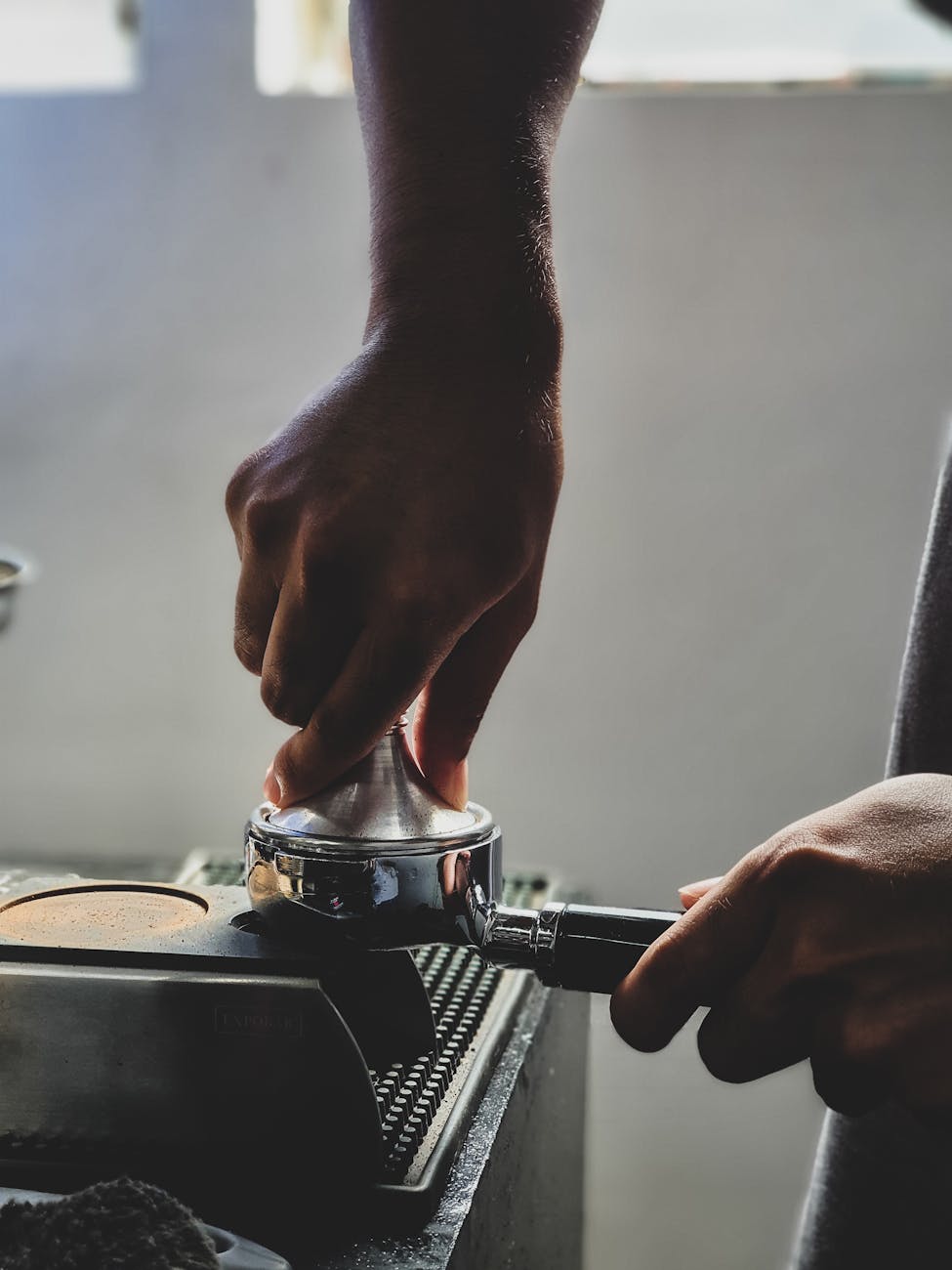
The quest for the perfect espresso shot is a journey filled with variables. From the origin of the bean to the grind size and water temperature, every detail matters. Many home baristas and even seasoned professionals focus intensely on their grinder and machine, yet overlook one of the most critical manual steps: tamping. This simple act of compressing coffee grounds can make or break a shot. An inconsistent tamp leads to an inconsistent cup. This article will explore why a calibrated tamper isn’t just another fancy gadget, but an essential tool for anyone serious about achieving repeatable, delicious espresso. We will delve into the science of extraction, the pitfalls of traditional tamping, and how this precise instrument can elevate your coffee game by eliminating guesswork.
Understanding the role of tamping in espresso extraction
Before we can appreciate the calibrated tamper, we must first understand the fundamental purpose of tamping itself. When you tamp, you are compressing loose coffee grounds into a dense, uniform puck inside the portafilter basket. The goal is twofold: to remove any air pockets and to create a level bed of coffee with even density. Why is this so important? Because espresso extraction is a battle against water’s natural tendency to be lazy.
Water under pressure will always seek the path of least resistance. If your coffee puck has inconsistencies, like a sloped surface or areas that are less dense than others, the water will exploit these weaknesses. This process is known as channeling. Instead of flowing evenly through the entire puck and extracting flavor compounds uniformly, the water rushes through these channels. The result is a disastrous shot that is simultaneously:
- Under-extracted: The areas the water bypassed don’t give up their delicious flavors, leading to a sour, weak taste.
- Over-extracted: The channels themselves are hit with too much water, stripping bitter, astringent compounds from the grounds.
A proper tamp is your first line of defense against channeling. By creating a solid, evenly compacted puck, you force the water to saturate and percolate through the entire bed of coffee, ensuring a balanced and complete extraction.
The problem with traditional tamping
For decades, the standard advice for tamping has been to press down until you feel about “30 pounds of pressure.” This has become something of a legend in the coffee world, but it’s fraught with problems. The primary issue is human inconsistency. Relying on muscle memory or “feel” is inherently unreliable. How you perceive 30 pounds of pressure can change dramatically based on numerous factors:
- Fatigue: The pressure you apply at the beginning of a cafe shift will likely differ from the pressure you apply at the end.
- Different users: In a cafe or even a household with multiple coffee drinkers, each person will have a different natural strength and tamping technique.
- Lack of feedback: With a standard tamper, there is no way to know if you applied 20 pounds or 40 pounds of pressure. You are essentially tamping blind.
This variability introduces a major uncontrolled element into your espresso-making process. If you pull a bad shot, was it the grind, the dose, or the tamp? When your tamping pressure is a moving target, it becomes incredibly difficult to diagnose and fix other issues. The 30-pound rule is a myth; what truly matters isn’t hitting an exact number, but hitting the same number every single time. Consistency is king.
How a calibrated tamper solves the consistency puzzle
This is where the calibrated tamper enters the scene as a game-changing tool. Its design is ingeniously simple. Inside the handle is a precision spring mechanism that is calibrated to a specific pressure, often the industry-standard 30 pounds (or 15 kg). When you press down on the tamper, you apply force until the mechanism gives way, producing a distinct “click” or release. This tactile feedback signals that you have reached the preset pressure.
The benefits are immediate and profound. A calibrated tamper systematically eliminates the variable of tamping pressure, leading to a more controlled and repeatable workflow. Here’s how it helps:
- Removes guesswork: The click provides clear, unambiguous feedback. You no longer have to wonder if you tamped too hard or too soft. The pressure is identical for every single shot.
- Simplifies training: For cafes, this tool is invaluable. It drastically shortens the learning curve for new baristas, allowing them to produce consistent results from day one.
- Improves diagnostics: When you know your tamp is perfectly consistent, you can isolate other variables. If your shot is running too fast or too slow, you can confidently adjust your grind size, knowing the tamp isn’t the culprit.
- Reduces physical strain: By providing a clear endpoint, it prevents baristas from over-tamping and applying excessive force, which can reduce the risk of repetitive strain injuries.
By making one of the most crucial manual steps in espresso preparation perfectly repeatable, the calibrated tamper lays the foundation for true consistency.
Choosing the right calibrated tamper
Once you’ve decided to invest in consistency, selecting the right calibrated tamper is the next step. While the core function is the same across most models, there are a few key factors to consider to ensure you get the best tool for your setup.
First and foremost is the diameter. You must match the tamper size to your portafilter basket. Using a tamper that is too small will leave an untamped ring of coffee around the edge of the puck, a guaranteed recipe for channeling. Common sizes are 58mm for commercial-style machines and 54mm or 51mm for various consumer-grade machines. Always measure your basket or check your machine’s specifications.
Next, consider the features and build quality. Some tampers have a fixed pressure, while others allow for adjustable pressure by swapping out springs. For most users, a fixed 30lb/15kg model is perfect. Pay attention to the material of the base (stainless steel is ideal for durability and hygiene) and the ergonomics of the handle.
| Feature | What to look for | Why it matters |
|---|---|---|
| Base Diameter | 51mm, 54mm, 58mm, 58.5mm, etc. | Must match your portafilter basket precisely to avoid edge channeling. |
| Pressure Mechanism | Fixed (e.g., 30 lbs) or Adjustable | Fixed is simpler and ideal for most users. Adjustable offers more control for advanced experimentation. |
| Base Material | Stainless Steel | Durable, non-reactive, easy to clean, and provides good weight. |
| Handle Ergonomics | Comfortable grip, suitable weight | Ensures a comfortable and level tamp without straining your wrist. |
Remember, even with a calibrated tamper, technique matters. Always aim to keep the tamper perfectly level as you press down to ensure an even surface across the puck.
Conclusion
In the meticulous craft of making espresso, controlling variables is the key to success. While grinders and machines get most of the attention, the simple act of tamping holds enormous power over the final quality in your cup. Traditional tamping relies on inconsistent muscle memory, introducing a frustrating variable that can ruin an otherwise perfect shot. A calibrated tamper elegantly solves this problem. By providing precise, tactile feedback, it guarantees you apply the exact same tamping pressure every single time. This removes guesswork, simplifies troubleshooting, and provides a solid foundation for consistency. It’s an investment not just in a piece of metal, but in the confidence that every espresso you make has the potential to be great.

 No products in the cart.