

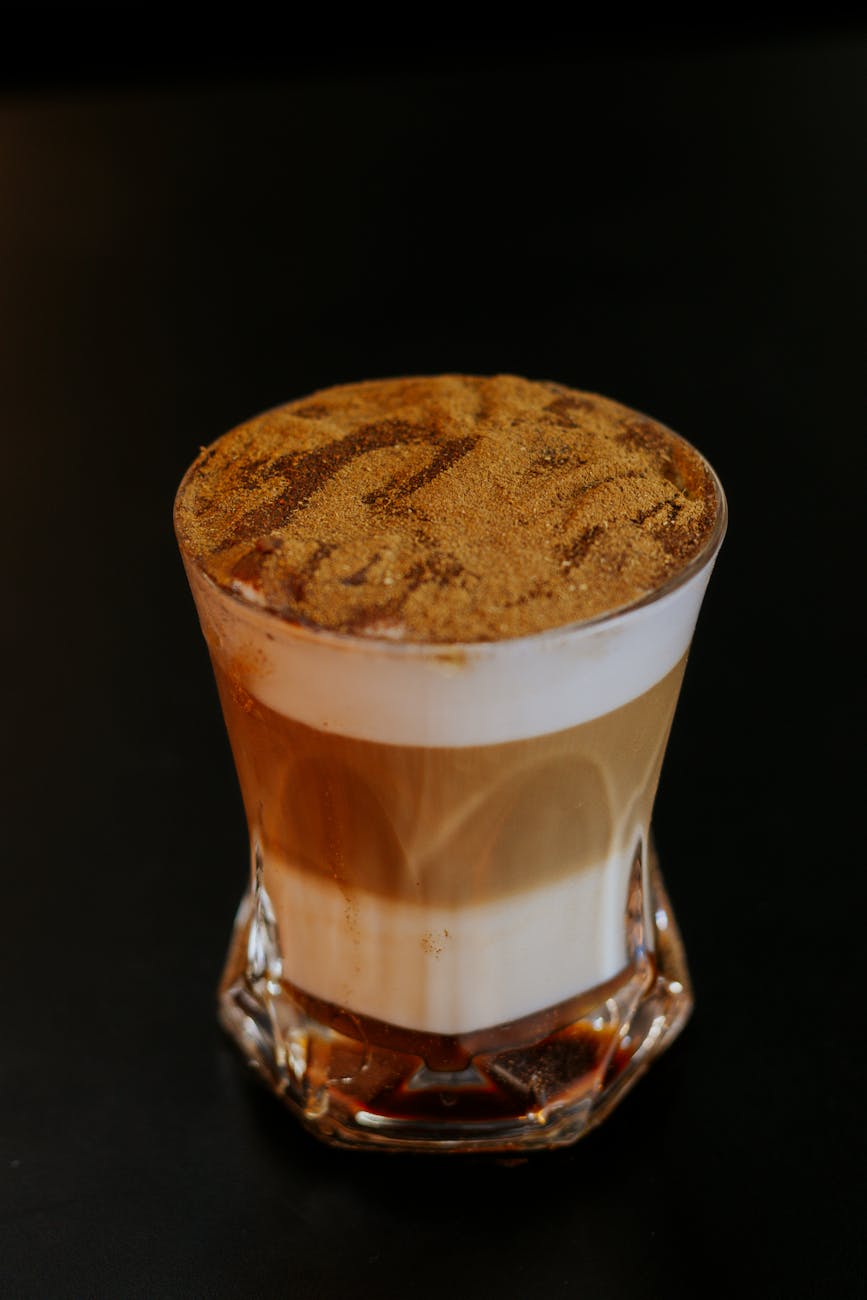
Ristretto cappuccino: The secret to a richer, bolder brew
For coffee lovers, the cappuccino is a timeless classic. The perfect harmony of rich espresso, silky steamed milk, and a delicate cap of microfoam is a daily ritual for millions. But what if a small, simple adjustment to its foundation could elevate this beloved drink to a new level? While the standard espresso shot has long been the undisputed base, a growing number of baristas and home enthusiasts are turning to its shorter, more concentrated cousin: the ristretto. This article will explore why swapping your standard espresso for a ristretto shot might be the secret to unlocking a sweeter, more intense, and ultimately more satisfying cappuccino experience. We’ll delve into the differences in extraction, the science of flavor, and how this “restricted” shot interacts with milk to create something truly special.
Understanding the foundation: Espresso vs. ristretto
Before we can appreciate how a ristretto transforms a cappuccino, it’s essential to understand what separates it from a standard espresso shot. Both begin with the same dose of finely ground coffee, but the difference lies in the amount of water pushed through it and the time it takes to extract.
A standard espresso is typically brewed with a coffee-to-water ratio of 1:2 or 1:2.5. This means for every 18 grams of ground coffee, you get about 36 to 45 grams of liquid espresso. This longer extraction pulls out a wide spectrum of flavor compounds, resulting in a balanced shot with notes of sweetness, acidity, and a touch of bitterness.
A ristretto, which means “restricted” in Italian, is brewed with a much tighter ratio, usually 1:1 or 1:1.5. Using the same 18 grams of coffee, you would only pull about 18 to 27 grams of liquid. This shorter, more concentrated extraction fundamentally changes the flavor profile. The first compounds to be extracted from coffee are the sweetest and most aromatic. By cutting the shot short, a ristretto captures this initial burst of flavor while leaving behind many of the more bitter compounds that emerge later in the extraction process. The result is a shot that is more syrupy, sweeter, and less bitter than a standard espresso.
The science of flavor: How ristretto changes the cappuccino
Now that we know a ristretto is sweeter and more concentrated, how does that translate to the final cappuccino? The interaction with milk is where the magic truly happens. Milk, with its natural sweetness and fats, can sometimes mute the more subtle notes of a standard espresso shot, especially if the milk-to-coffee ratio is high. The coffee flavor can become diluted, with the bitterness being one of the most prominent notes left behind.
A ristretto base solves this problem. Its sheer intensity and concentrated sweetness allow it to slice through the milk with ease. Instead of getting lost, the deep, rich coffee flavors are front and center, creating a more robust and complex profile. Because the ristretto is naturally less bitter, the resulting cappuccino is incredibly smooth and balanced. Many find they no longer need to add sugar, as the inherent sweetness of both the restricted shot and the steamed milk create a perfect natural balance. Furthermore, the viscous, syrupy body of the ristretto contributes to a more luxurious mouthfeel, enhancing the velvety texture of the microfoam and creating a richer drinking experience from start to finish.
Ristretto vs. espresso in a cappuccino: A direct comparison
Choosing between a ristretto and an espresso base comes down to personal preference, but understanding the key differences can help you decide which profile you’re aiming for. A standard espresso creates the classic, familiar cappuccino taste—a balanced but sometimes sharp coffee note cutting through the creaminess. A ristretto, on the other hand, creates a drink that is more integrated, where the coffee and milk feel like they are working in perfect harmony to produce a sweeter, bolder flavor.
Let’s break down the comparison in a simple table:
| Attribute | Cappuccino with Espresso Base | Cappuccino with Ristretto Base |
|---|---|---|
| Flavor Profile | Balanced, with noticeable acidity and bitterness. The classic coffee “bite.” | Sweeter, more intense, and complex. Rich chocolate and caramel notes are more prominent. |
| Bitterness | Moderate to high. Often the most forward flavor note after the milk. | Low. The overall profile is much smoother and less sharp. |
| Sweetness | Subtle coffee sweetness, often overshadowed by bitterness. | Pronounced natural sweetness that complements the lactose in the milk. |
| Body/Mouthfeel | Lighter body, with the texture primarily coming from the milk foam. | Richer, more syrupy, and velvety. Contributes to a more luxurious overall texture. |
How to make a ristretto cappuccino at home
Ready to try it for yourself? Making a ristretto cappuccino at home is simple if you have an espresso machine. The process is nearly identical to making a standard cappuccino, with just a few key adjustments to your shot extraction.
- Grind finer: To restrict the water flow, you’ll likely need a slightly finer grind setting than you use for your standard espresso. This increases the resistance and helps you pull a shorter shot in the ideal time frame.
- Dose and tamp as usual: Use your standard dose of coffee for your portafilter and tamp it evenly and consistently.
- Pull a shorter shot: This is the crucial step. Program your machine for a lower volume or stop the shot manually when you reach a 1:1 or 1:1.5 brew ratio. For an 18-gram dose, you’d stop the shot at around 18-27 grams of liquid espresso. The total time should be around 15-20 seconds.
- Steam your milk: Steam your milk to create the perfect velvety microfoam, just as you would for any cappuccino. The goal is a silky texture, not a stiff, bubbly foam.
- Pour and enjoy: Pour your beautifully textured milk into your ristretto base and enjoy a noticeably richer and sweeter cappuccino.
Conclusion: A simple change for a superior coffee
The quest for the perfect cappuccino is a journey of small refinements. While factors like bean quality, grind consistency, and milk texture are all vital, the nature of the coffee base itself plays a monumental role. By swapping a standard espresso for a ristretto, you fundamentally alter the drink’s flavor foundation. You replace potential bitterness with natural sweetness and a diluted coffee note with a concentrated, syrupy richness. The result is a smoother, more complex, and deeply satisfying cappuccino where the coffee’s best characteristics shine through the milk, rather than being masked by it. It’s a simple, single change that requires minimal effort but delivers a significant upgrade in quality. We encourage you to experiment at home or ask your local barista for a ristretto cappuccino—it might just become your new standard.


 No products in the cart.