

The definitive guide to water-to-coffee ratios for Turkish coffee
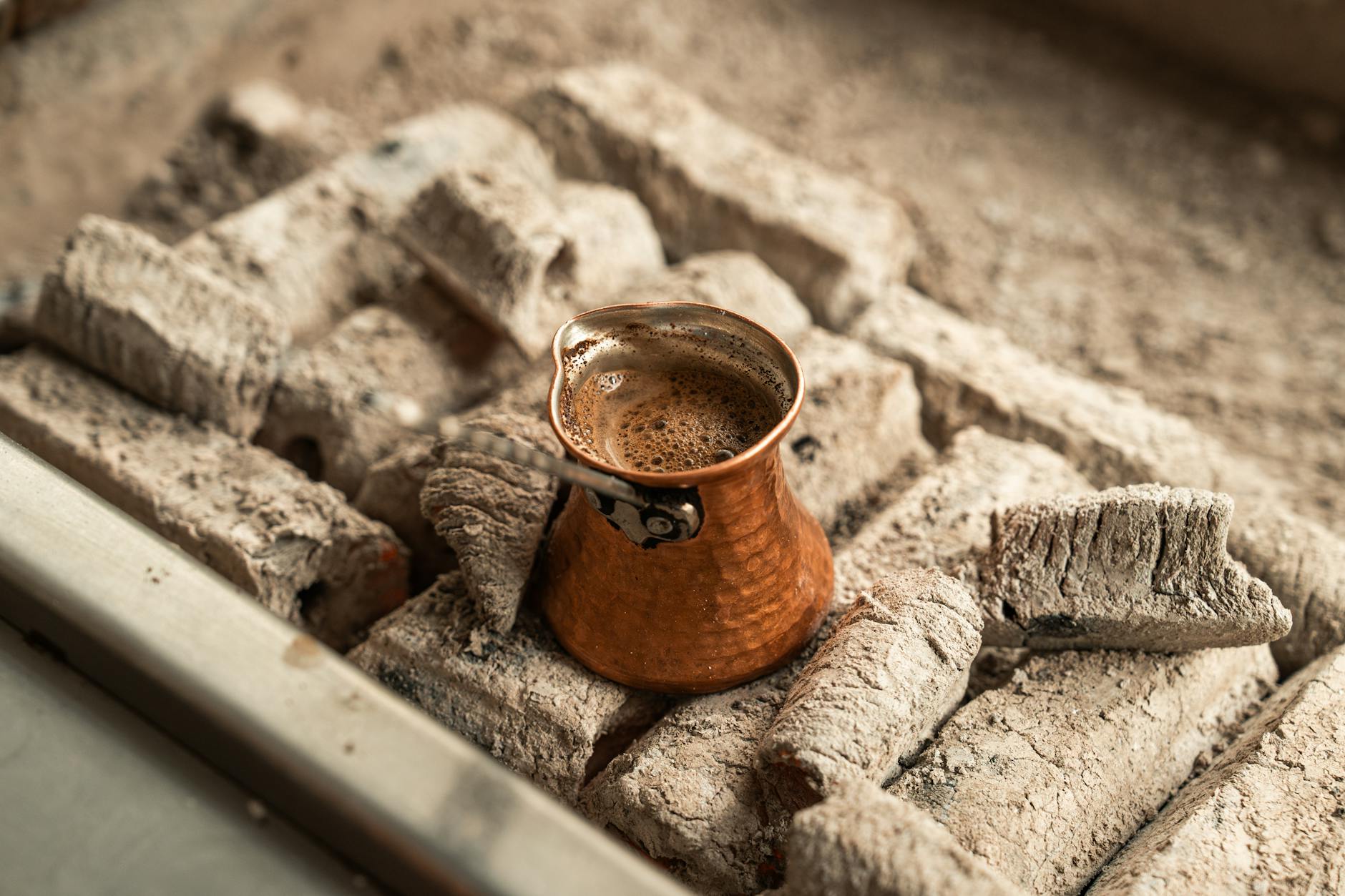
Turkish coffee is more than just a beverage; it’s a cultural ritual steeped in history. Its unique preparation in a cezve or ibrik results in an unfiltered, intensely aromatic, and velvety brew. However, achieving that perfect balance between a rich body and a clean, flavorful finish can be elusive. The secret often lies not just in the technique but in the foundational element of any coffee extraction: the water-to-coffee ratio. Getting this ratio right is the key to unlocking a truly sublime cup. This guide will delve into the science and art of mastering this crucial variable, moving you from generic recipes to a confident understanding of how to tailor your brew for a consistently balanced and delicious Turkish coffee experience every time.
The foundation: Why ratio is critical in Turkish coffee
Unlike filtered brewing methods like pour-over or drip, Turkish coffee involves a full immersion of very finely ground coffee in water, which is then brought to a near-boil. The entire mixture, grounds and all, is served. This makes the water-to-coffee ratio exceptionally important for two main reasons: strength and texture.
An incorrect ratio can dramatically throw off the final cup. Too much water will result in a thin, weak, and underwhelming brew that lacks the characteristic body and intensity. It dilutes the soluble compounds, leading to a watery taste. On the other hand, too little water creates a thick, sludgy consistency that can be overpowering and difficult to drink. This high concentration of coffee to water often leads to under-extraction, where the water becomes saturated before it can pull out the desirable sweet and complex flavors, resulting in a cup that is simultaneously overly intense and sour.
The goal is to find the sweet spot where the water can extract the optimal amount of flavor compounds to create a brew that is rich and full-bodied but not sludgy, and flavorful without being aggressively bitter or sour. This balance is the hallmark of a well-made Turkish coffee.
Classic ratios: Your starting points for brewing
While the perfect ratio is a matter of personal preference, there are established starting points that have been refined over centuries. The most commonly cited and reliable starting point for a balanced cup is a 1:10 ratio by weight. This means for every 1 gram of coffee, you use 10 grams (or 10 ml) of water. Using a small digital scale is highly recommended for accuracy and consistency, as volume-based measurements like “one heaping teaspoon” can vary significantly.
This 1:10 ratio provides a fantastic middle ground that generally yields a cup with a pleasant body, good flavor clarity, and a manageable amount of sediment. From here, you can adjust to suit your taste. For a stronger, more traditional, and robust experience, you might prefer a ratio closer to 1:8. For a slightly lighter and more delicate cup, you could move towards 1:12. The table below offers a simple guide.
| Strength Profile | Coffee-to-Water Ratio | Example (for one demitasse cup) | Expected Flavor Notes |
|---|---|---|---|
| Rich & Traditional | 1:8 to 1:9 | 8g coffee to 64-72g water | Intense, syrupy body, bold flavor, prominent bitterness and richness. |
| Balanced & Modern | 1:10 | 7g coffee to 70g water | The ideal starting point. Good balance of body, sweetness, and flavor clarity. |
| Lighter & Delicate | 1:11 to 1:12 | 7g coffee to 77-84g water | Less body, more defined acidity and nuanced flavors, cleaner finish. |
Adjusting your ratio for key variables
The 1:10 ratio is a fantastic starting point, but it’s not a universal rule. The ideal ratio for your perfect cup is also influenced by other critical factors, primarily the coffee’s roast level and grind size. Understanding how these interact will empower you to fine-tune your brew.
- Roast level: The darker the roast, the more porous and soluble the coffee bean becomes. This means dark roasts extract their flavors more easily. For a very dark roast, a 1:10 or even a 1:11 ratio might be perfect to avoid excessive bitterness. Lighter roasts are denser and less soluble, often carrying higher acidity. To properly extract their complex, fruity, or floral notes without them tasting sour, you may need to use a slightly tighter ratio, like 1:9, to increase the concentration and aid extraction.
- Grind size: Turkish coffee requires an extremely fine, powder-like grind, even finer than espresso. This massive surface area is what allows for a very quick extraction. If your grind is not quite as fine as traditional Turkish powder (perhaps done at home on a grinder not specifically designed for it), it will extract more slowly. To compensate, you can use a tighter ratio (e.g., 1:9) to help the water more effectively extract flavor from the slightly larger particles in the short brewing time. Conversely, a perfect, powdery grind works beautifully with the standard 1:10 ratio.
Finding your personal perfect ratio
The journey to the perfect cup of Turkish coffee is one of experimentation. The numbers and guidelines above are your map, but your palate is the ultimate compass. Here’s a simple, methodical way to find what works best for you:
- Establish a baseline: Start with a high-quality coffee, a proper Turkish grind, and a digital scale. Brew your first cup using the standard 1:10 ratio (e.g., 7g coffee to 70g water).
- Brew consistently: Use the same heat level and technique each time you brew. The only thing you should change during this process is the ratio.
- Taste and evaluate: Sip your coffee and take notes. Is it weak and thin? It’s likely under-extracted, and you need a tighter ratio. Is it unpleasantly bitter? It’s over-extracted, so try a wider ratio. Is it sour? This also points to under-extraction, so try a tighter ratio to increase extraction. Is it too sludgy and intense? Add more water next time.
- Adjust in small steps: Based on your evaluation, adjust the ratio for your next brew. If the coffee was weak, try 1:9. If it was a bit bitter, try 1:11. By only changing one variable at a time—the amount of water—you can systematically zero in on the exact ratio that produces a cup you love.
Conclusion
Mastering Turkish coffee is an immensely rewarding pursuit, and understanding the water-to-coffee ratio is the most critical step in that journey. It is the foundation upon which the final texture, strength, and flavor profile are built. We’ve explored how the traditional 1:10 ratio by weight serves as an excellent and reliable starting point for a balanced brew. We also saw how this can be intelligently adjusted based on variables like roast level and grind consistency to prevent bitterness or sourness. By adopting a methodical approach—starting with a baseline, tasting critically, and adjusting systematically—you move beyond simply following a recipe. You learn to listen to the coffee and your own palate, empowering you to craft a consistently delicious cup tailored perfectly to your preference. The “perfect” ratio isn’t a universal number; it’s the one you discover for yourself.


 No products in the cart.