

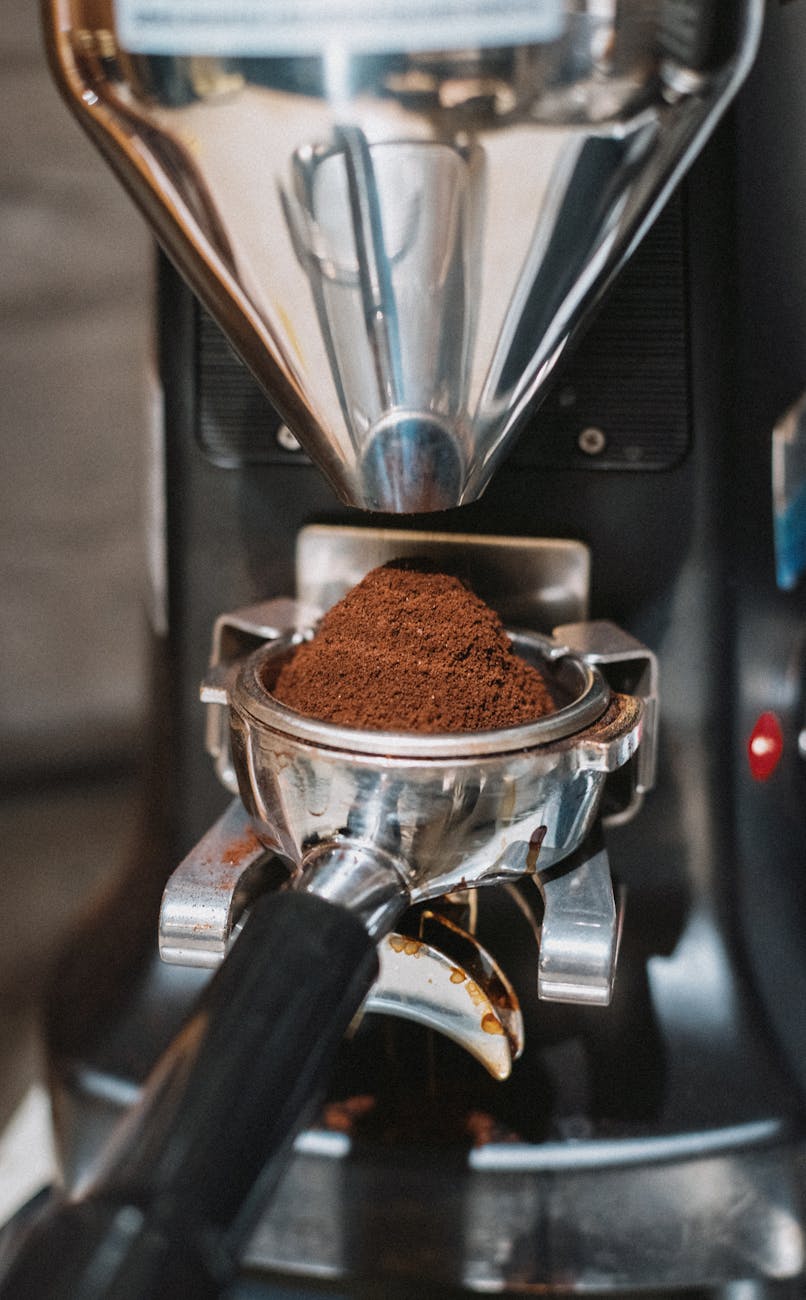
Using grinder bellows to improve espresso dose consistency
In the relentless pursuit of the perfect espresso shot, consistency is king. Every variable, from water temperature to tamping pressure, is meticulously controlled. Yet, one often-overlooked culprit can sabotage your efforts: the coffee grinder. Many grinders retain a small amount of coffee grounds from previous uses, leading to inconsistent dose weights and stale flavors in your cup. This is where a simple but powerful tool comes into play: the grinder bellow. This article will explore the problem of grinder retention, explain what bellows are and how they work, and detail how this small upgrade can lead to a massive improvement in your espresso dose consistency, ultimately giving you better, more repeatable results with every single shot you pull.
Understanding grinder retention and its impact on espresso
Before we can appreciate the solution, we must first understand the problem. Grinder retention, sometimes called “exchange,” refers to the amount of ground coffee that remains inside the grinder’s burr chamber and exit chute after the grinding cycle is complete. While high-end commercial grinders are designed to minimize this, many prosumer and home grinders can retain anywhere from 0.5 to 3 grams of coffee. This might not sound like much, but in the precise world of espresso, it’s a significant variable.
This retained coffee has two major negative impacts on your brew:
- Inconsistent dosing: The retained grounds can get dislodged and mix with your next dose. If you weigh out a precise 18 grams of beans, the output in your portafilter might be 18.5 grams one time (including 0.5g of old grounds) and 17.8 grams the next. This inconsistency in dose weight directly affects your shot time, yield, and overall extraction, making it impossible to dial in your recipe reliably.
- Stale flavor: The grounds left behind from your morning coffee will sit inside the grinder all day, going stale. When you grind for your afternoon shot, these old, oxidized grounds are pushed out and mixed with your fresh coffee, introducing bitter and muted flavors that compromise the quality of your cup. To combat this, many baristas “purge” the grinder by running a few grams of fresh beans through it first, but this is a wasteful and costly practice.
What are grinder bellows and how do they work?
A grinder bellow is a simple, yet ingenious, accessory designed to combat retention. It’s essentially a flexible, airtight dome, usually made of food-grade silicone, that replaces the lid of your grinder’s hopper. The concept is straightforward: it functions like a manual air pump for your grinder.
The process is integrated into a single-dosing workflow. Instead of filling the hopper with a large quantity of beans, you weigh out the exact amount needed for a single shot. After grinding these beans, with the motor still running or just after it stops, you give the bellow a few quick, firm pumps. This action forces a powerful gust of air through the grind chamber and chute. The blast of air is strong enough to dislodge and push out virtually all the coffee grounds that would otherwise be retained, ensuring that what goes into the grinder is what comes out.
This simple mechanism effectively transforms a standard grinder into a near-zero retention machine. It’s an elegant solution that directly targets the physical cause of retention, clearing the path for the freshest possible grounds and an incredibly accurate dose.
The benefits of using a grinder bellow for dose consistency
Integrating a bellow into your workflow yields immediate and measurable improvements, with dose consistency being the most significant. When you can trust that your input weight will match your output weight, you gain an unprecedented level of control over your espresso variables. This allows you to make one small adjustment at a time—to your grind size, for example—and know that any change in the resulting shot is due to that specific adjustment, not a random fluctuation in your dose.
The table below illustrates the typical difference in dose consistency with and without a bellow for a standard single-dosing grinder.
| Metric | Workflow without bellow | Workflow with bellow |
|---|---|---|
| Input bean weight | 18.0g | 18.0g |
| Typical output weight | 17.5g – 18.5g | 17.9g – 18.1g |
| Dose variance | ± 0.5g or more | ± 0.1g |
| Retention | ~0.5g – 1.5g | ~0.1g or less |
Beyond precision, the benefits extend to quality and economy. By ensuring every particle of ground coffee in your portafilter is from the beans you just ground, you are guaranteeing maximum freshness. Stale, old grounds are no longer a factor, allowing the true flavor profile of your coffee to shine through. Furthermore, you eliminate the need to purge beans before your first shot of the day, which can save a significant amount of coffee—and money—over the course of a year.
Choosing and using a grinder bellow effectively
Adding a bellow to your setup is a straightforward process, but there are a few things to consider. First and foremost is compatibility. Bellows are not a one-size-fits-all product. They are designed for specific grinder models to ensure an airtight seal, which is crucial for generating enough air pressure. Whether you own a popular model like a DF64, a Baratza Sette, or a Niche Zero, you’ll find custom-designed bellows available from various third-party manufacturers.
When choosing, look for one made from durable, food-grade silicone that is flexible enough for easy pumping but sturdy enough to last. The bellow is the cornerstone of an efficient single-dosing workflow, which looks like this:
- Weigh your desired dose of whole beans (e.g., 18.0g).
- Pour the beans into the grinder’s hopper.
- Turn the grinder on and let it grind all the beans.
- While the motor is still running (or immediately after it stops), place your palm on the bellow and give it 2-3 quick, sharp pumps.
- Collect your grounds in a portafilter or dosing cup and weigh the output to confirm your near-zero retention.
For even better results, some baristas combine this with the Ross Droplet Technique (RDT)—a light spritz of water on the beans before grinding—to reduce static, which can also cause grounds to cling to surfaces. The bellow then works to physically push out any remaining stubborn particles.
Conclusion
For any home barista dedicated to improving their craft, achieving dose consistency is a fundamental step. Grinder retention stands as a significant barrier, introducing unpredictability and stale flavors that undermine an otherwise meticulous process. As we’ve seen, a grinder bellow offers a brilliantly simple and highly effective solution to this problem. By using a puff of air to force out trapped grounds, it transforms a standard grinder into a near-zero retention machine. This small, affordable upgrade provides a cascade of benefits: unparalleled dose accuracy, guaranteed freshness in every shot, and the elimination of wasteful purging. In the world of espresso, where precision is paramount, a grinder bellow is not just an accessory; it’s a vital tool for unlocking consistent, delicious results.


 No products in the cart.