

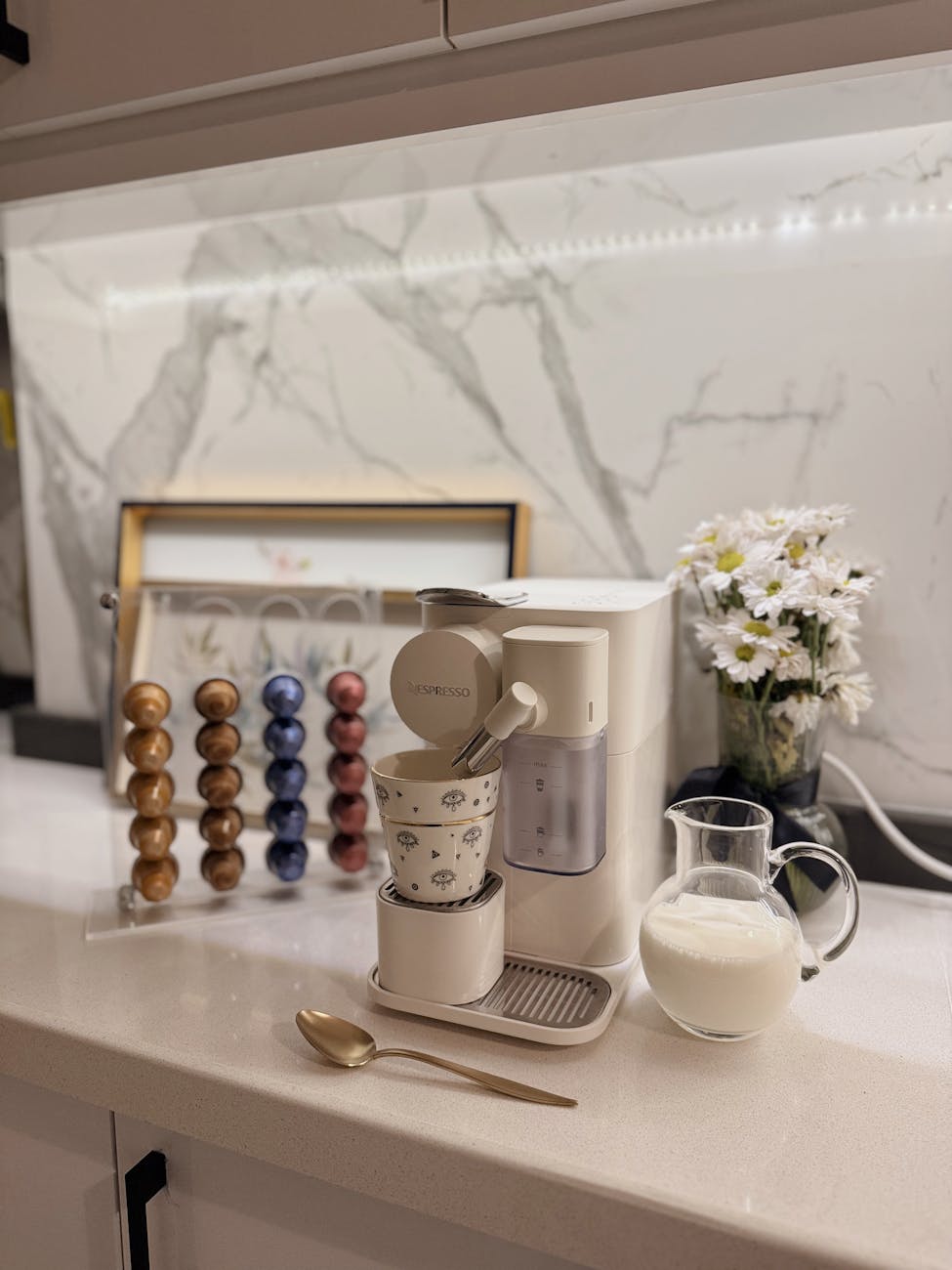
Welcome to the world of precision coffee brewing, right from your Nespresso machine. You might think that pressing a button is all it takes for a perfect cup, and while Nespresso excels at convenience, it doesn’t always deliver true consistency. The default espresso and lungo settings on your machine measure the volume of water pushed through the pod, a method that can be surprisingly inaccurate. The amount of crema, coffee density, and even machine age can alter the final shot. This article will guide you through a simple yet transformative upgrade to your coffee routine: using a digital scale to measure your Nespresso output by weight. This small change gives you barista-level control, ensuring every single cup is as delicious and balanced as the last.
Why your machine’s volume settings are not enough
At its core, a Nespresso machine is programmed to be simple. You press a button, and it dispenses a preset volume of water, for example, 40 ml for an espresso or 110 ml for a lungo. This seems precise, but it overlooks a crucial variable in coffee extraction: mass. Measuring by volume is inherently flawed for a few key reasons.
First and foremost is the crema. This beautiful, aromatic foam on top of your espresso is mostly gas and takes up significant space, but it has very little weight. A shot with a large amount of crema can look like the perfect volume in your cup, but it may actually be under-extracted and weak in flavor. Conversely, a shot with less crema might look small but be perfectly balanced. Relying on your eyes or the machine’s volumetric sensor can be deceiving.
Furthermore, not all pods are created equal. The density of the coffee, the grind size, and how tightly it’s packed can all create different levels of resistance as water passes through. This can cause the flow rate to change, meaning a 40 ml setting might produce a slightly different shot from a Ristretto pod compared to a medium roast Espresso pod. Using weight bypasses all these variables, measuring only the actual liquid coffee in your cup for true consistency.
The key to flavor: understanding the brew ratio
In the specialty coffee world, the secret to a great espresso is the brew ratio. This is simply the ratio of the weight of dry coffee grounds to the weight of the liquid espresso yield. For example, a common 1:2 ratio means that for every 1 gram of coffee grounds, you produce 2 grams of liquid espresso. While you cannot change the amount of coffee in a sealed Nespresso pod, you have absolute control over the yield. This is where your scale becomes your most powerful tool.
By controlling the output weight, you directly influence the strength and flavor profile of your coffee.
- A shorter shot (e.g., 1:1.5 ratio): Often called a ristretto, this shot is more concentrated, intense, and often sweeter, highlighting the coffee’s brighter notes. If cut too short, it can taste sour or under-extracted.
- A balanced shot (e.g., 1:2 to 1:2.5 ratio): This is the sweet spot for many espresso pods. It provides a harmonious balance of sweetness, acidity, and body, delivering a rich and complex flavor.
- A longer shot (e.g., 1:3+ ratio): Known as a lungo, this yields a larger, more diluted coffee. Pushing too much water through the grounds can lead to over-extraction, introducing bitter and astringent flavors.
By weighing your output, you stop brewing based on a generic preset and start brewing for optimal taste.
How to weigh your Nespresso shots: a simple guide
Integrating a scale into your Nespresso routine is incredibly easy and takes just a few extra seconds. You don’t need a fancy device; any digital kitchen scale with 0.1-gram accuracy will work perfectly. A dedicated coffee scale with a built-in timer is a great bonus but not essential.
Follow these simple steps for a perfectly measured shot every time:
- Prepare your station: Place your digital scale on the drip tray of your Nespresso machine. If it doesn’t fit, place it right in front.
- Place and tare your cup: Put your empty espresso cup on the scale and press the ‘Tare’ or ‘Zero’ button. The display should now read 0 g, ignoring the weight of the cup.
- Start the brew: Insert your chosen capsule and press the espresso or lungo button to start brewing. For the best control, it’s ideal to use your machine’s manual or programmable pour function if it has one.
- Watch the weight: Keep your eye on the scale’s display as the coffee pours into the cup.
- Stop at your target: Manually stop the shot 1-2 grams before your target weight. A few extra drips will always fall after you press the button, and this accounts for them.
That’s it! You have now brewed a shot of Nespresso based on a precise weight, guaranteeing a repeatable result that you can fine-tune to your exact preference.
Finding your perfect shot: a guide to output weights
Now that you know how to weigh your shots, it’s time to experiment and find what tastes best to you. Different Nespresso pods contain slightly different amounts of coffee, but we can use general averages to create excellent starting points. Espresso pods typically contain 5-6 grams of coffee, while Lungo pods contain around 7 grams.
Use the table below as a starting point. Brew a shot to the recommended weight, taste it, and then adjust your next one based on your preference. If it tastes a little sour, try letting it run for a few more grams. If it’s tasting bitter, stop the shot a bit earlier next time.
| Pod type | Typical coffee dose | Recommended starting output | Resulting flavor profile |
|---|---|---|---|
| Ristretto (25 ml) | ~5 grams | 15-20 grams | Highly concentrated, intense, bright |
| Espresso (40 ml) | ~5.5 grams | 25-35 grams | Balanced, rich, classic espresso character |
| Lungo (110 ml) | ~7 grams | 50-70 grams | Milder, larger volume, less intense |
| Double Espresso | ~10 grams | 45-60 grams | Strong, full-bodied, similar to a standard espresso |
Remember, these are just guidelines. The perfect cup of coffee is subjective. Your water, your machine, and especially your palate are unique. Use this method to explore the full potential of each capsule and dial in a recipe that is perfect for you.
In conclusion, while Nespresso offers unparalleled convenience, its reliance on volumetric measurements can lead to inconsistent results. By introducing a simple digital scale into your routine, you move beyond generic presets and into the realm of precision brewing. Measuring your output by weight allows you to master the brew ratio, giving you direct control over the strength, balance, and flavor of your coffee. This small, easy step eliminates the guesswork caused by crema and pod variations, ensuring you can replicate that “perfect” shot day after day. It transforms your Nespresso machine from a simple appliance into a reliable tool for crafting consistently delicious coffee, empowering you to be your own home barista.


 No products in the cart.