

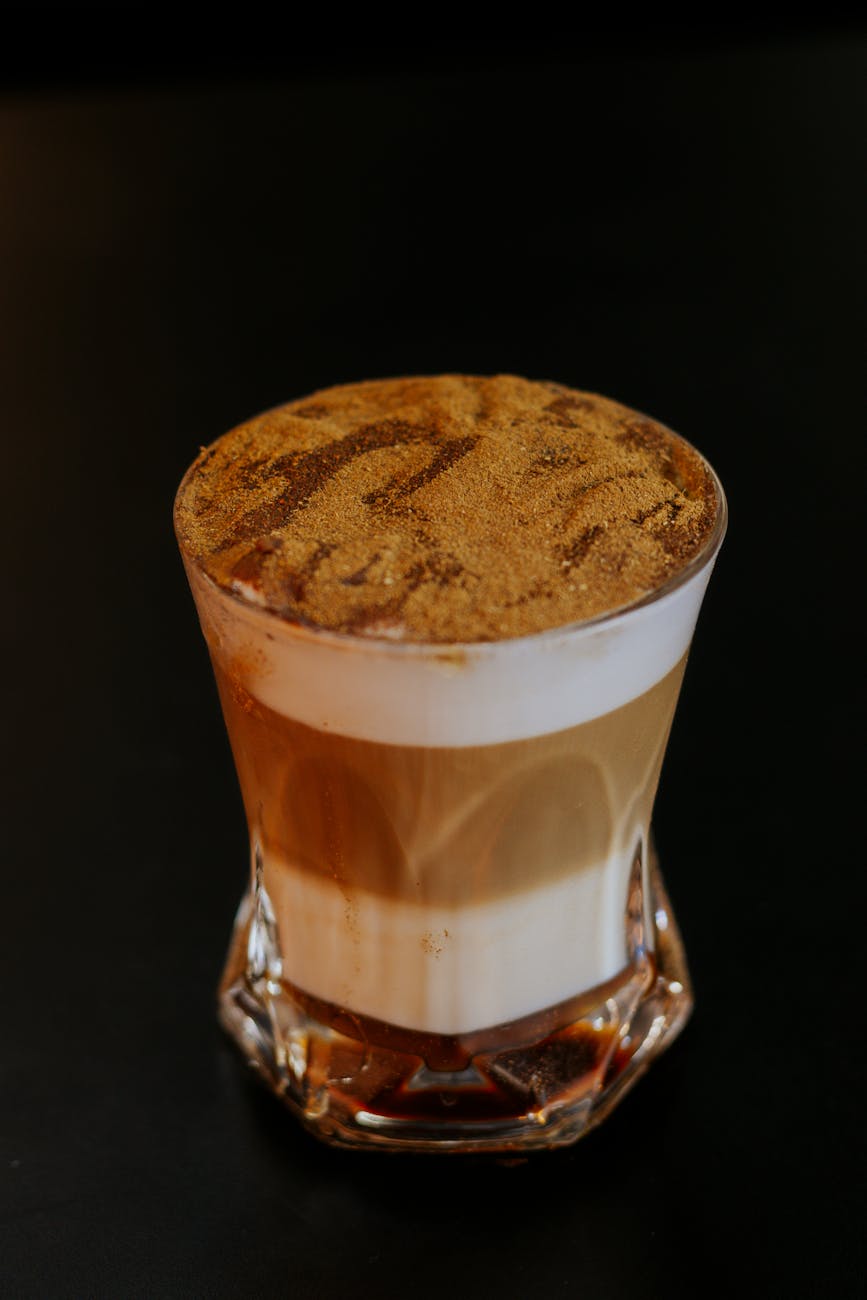
Understanding the third-wave cappuccino: Smaller volumes and better ratios
If you’ve ever walked into a specialty coffee shop and ordered a cappuccino, you might have been surprised by what you received. Instead of the large, foam-topped, milky beverage common in big chain cafes, you were handed a much smaller cup, barely larger than your palm. This isn’t a mistake or a rip-off; it’s an introduction to the third-wave cappuccino, a drink meticulously crafted to highlight the quality of the coffee itself. This shift from massive volumes to smaller, more concentrated cups represents a return to tradition and a deeper appreciation for balance. In this article, we will explore the philosophy behind the third-wave cappuccino, breaking down its precise ratios and explaining why its smaller size delivers a superior flavor and texture experience.
From super-sized to specialty: The evolution of the drink
For many years, the popular conception of a cappuccino was shaped by the “second wave” of coffee. This era prioritized convenience, consistency, and scale. Coffee became a commodity served in massive quantities, often with added syrups and flavors. The cappuccino in these cafes grew in size to 12, 16, or even 20 ounces, becoming a drink dominated by milk with a thick, stiff cap of dry foam on top. The coffee itself was often a dark, roasty blend designed to cut through all that milk, with little of its original character remaining.
The “third wave” of coffee emerged as a reaction to this. It treats coffee not as a commodity, but as an artisanal product, much like wine or craft beer. This philosophy emphasizes the entire journey of the bean, from its origin and processing method to the specific roast profile and brewing technique. The goal is to unlock and showcase the unique, delicate flavors inherent in the coffee. A third-wave cappuccino, therefore, isn’t just a vehicle for caffeine and milk; it’s a carefully composed beverage designed to present a high-quality espresso in perfect harmony with steamed milk.
The anatomy of a balanced cappuccino: The rule of thirds
The core principle of a traditional, third-wave cappuccino lies in its simple and elegant ratio, often called the “rule of thirds.” The entire drink is built on a foundation of balance, with each component playing an equal and vital role. The final volume is typically small, served in a 5 to 6-ounce (150-180 ml) ceramic cup to maintain the integrity of this ratio.
The three key components are:
- One part espresso: This is the soul of the drink. A perfectly pulled shot of specialty espresso (around 1-2 ounces) provides the complex flavor foundation, which could be anything from bright and fruity to deep and chocolatey.
- One part steamed milk: The milk is gently heated to the point where its natural sugars are caramelized, lending a beautiful sweetness without adding any sugar. It is not boiled or scorched, which would destroy both its flavor and texture.
- One part microfoam: This is perhaps the most significant departure from the second-wave cappuccino. Instead of a stiff, bubbly foam that sits on top, baristas create microfoam. This is a velvety, silky foam with bubbles so small they are invisible to the eye, fully integrated into the steamed milk. This creates a smooth, unified liquid with the consistency of wet paint.
When these three parts are combined in equal measure, they create a harmonious beverage where no single element overpowers the others. The espresso’s character is uplifted by the milk’s sweetness, and the entire drink is given a luxurious, creamy texture by the microfoam.
Why a smaller size delivers a better experience
The decision to serve cappuccinos in a smaller cup is not about stinginess; it’s about quality control. A smaller volume is a direct consequence of adhering to the strict 1:1:1 ratio, which is essential for achieving the intended flavor and texture profile.
First and foremost is flavor balance. In a large, milk-heavy drink, the nuanced notes of a single-origin espresso are completely lost. A 16-ounce cup is a sea of milk with only a hint of coffee. The 6-ounce third-wave cappuccino, however, ensures the espresso remains the star of the show. The milk acts as a complementary partner, softening the intensity of the espresso and adding sweetness, but never masking its unique character.
Second is textural harmony. The integrated microfoam ensures that every sip is consistent from start to finish. You drink it, you don’t scoop it. There is no awkward separation between a layer of bitter liquid and a mound of airy foam. This smooth, velvety mouthfeel is a key part of the sensory experience and is only possible when the milk and espresso are in proper proportion.
Finally, a smaller drink is enjoyed at its optimal temperature. A large coffee cools significantly as you drink it, and its flavors become dull and less pleasant. A 6-ounce cappuccino is typically consumed before it has a chance to cool down, allowing you to enjoy it at the perfect temperature where its sweetness and complexity are at their peak.
Spotting the difference: Second wave vs. third wave
So how can you tell if you’re about to get a traditional cappuccino or a super-sized one? Looking at the menu is the first clue. A specialty shop will often only offer one size for their cappuccino. If you see options for small, medium, and large (or tall, grande, venti), you are likely in a second-wave cafe. You can also observe the barista’s technique—a focus on milk texture and a careful, integrated pour are hallmarks of a third-wave approach. For a clearer picture, here is a simple comparison:
| Feature | Second wave cappuccino | Third wave cappuccino |
|---|---|---|
| Typical size | 12-20 ounces (350-590 ml) | 5-6 ounces (150-180 ml) |
| Ratio | Espresso is heavily diluted by milk | 1 part espresso, 1 part milk, 1 part foam |
| Foam type | Dry, stiff, and separated “macrofoam” | Silky, integrated, and velvety “microfoam” |
| Flavor profile | Dominated by milk and sweetness | Balanced, showcasing the espresso’s character |
| Primary focus | Volume and convenience | Quality, balance, and flavor |
Understanding these differences allows you to make a more informed choice and appreciate the craft that goes into a well-made coffee beverage.
Conclusion: Less is more
The third-wave cappuccino represents a thoughtful return to the drink’s roots, championing quality over quantity. Its smaller size is not a limitation but a deliberate choice designed to create the most balanced and flavorful experience possible. By adhering to the classic ratio of one-third espresso, one-third steamed milk, and one-third microfoam, baristas are able to craft a beverage where every element works in perfect harmony. The resulting drink is rich, complex, and texturally divine, offering a true expression of the high-quality coffee at its heart. The next time you’re in a specialty coffee shop, embrace the smaller cup. You’ll discover that in the world of great coffee, less is truly more.


 No products in the cart.