

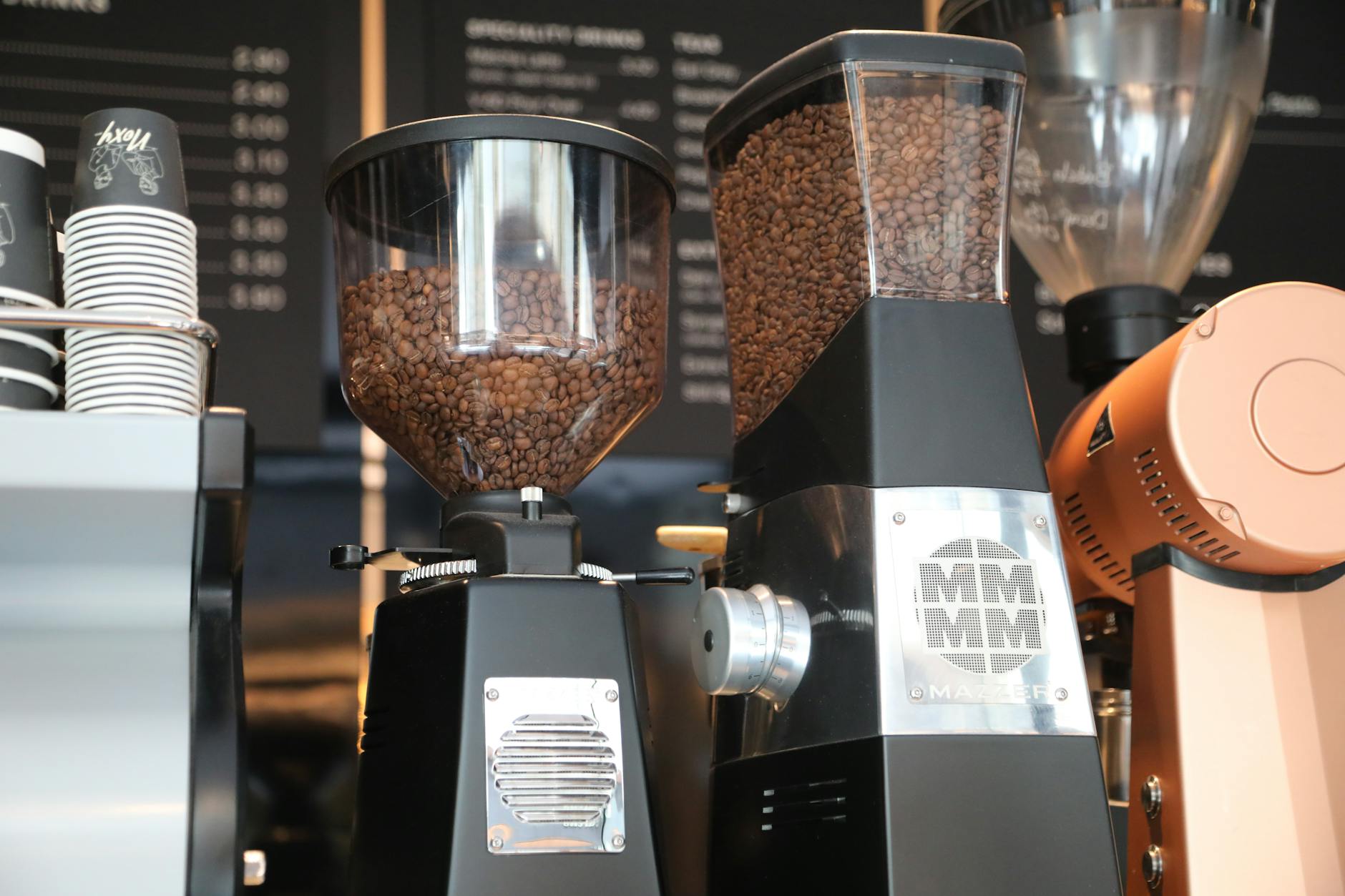
Understanding the effect of hopper weight on Eureka Mignon grind consistency
The Eureka Mignon series has earned its place on the countertops of discerning home baristas worldwide, celebrated for its compact design, quiet operation, and exceptional grind quality. Achieving the perfect espresso shot, however, is a game of controlling variables, and one of the most frequently overlooked factors is the amount of coffee beans in the hopper. While we obsess over grind size, dose weight, and water temperature, the simple pressure exerted by the beans themselves plays a crucial role in overall performance. This article delves into how hopper weight directly influences the Eureka Mignon’s grind consistency, exploring the underlying mechanics and offering practical advice for achieving more repeatable, delicious results. It is a key element of performance control (性能控制) for your grinder.
The physics of consistent bean feeding
At its core, a coffee grinder’s job is to crush beans into uniformly sized particles. The consistency of this process depends heavily on how evenly the beans are fed into the burrs. This is where hopper weight comes into play. Imagine the beans in your hopper as a column; the weight of this column creates a consistent downward pressure. This pressure ensures that beans are fed into the grinding chamber at a steady, uninterrupted rate.
When the feed rate is stable, the grinder’s motor and burrs operate under a constant load. This allows the burrs to engage with the beans uniformly, producing a more consistent particle size distribution. Conversely, an inconsistent feed rate, which can happen with a near-empty hopper, causes the burrs to work erratically. They may spin faster when there are fewer beans, then slow down as a new cluster falls in, resulting in a less uniform grind with more fines and boulders. For a precision machine like the Eureka Mignon, maintaining this steady pressure is fundamental to unlocking its full potential.
Single dosing vs. a full hopper: The great debate
The discussion about hopper weight inevitably leads to the two primary methods of using a grinder: keeping the hopper full or single dosing. Each approach has significant implications for grind consistency, directly tied to the principles of bean pressure.
- Full hopper grinding: Keeping the hopper at least partially full maintains a consistent weight on the beans entering the burrs. This is the ideal scenario for grind consistency. The steady pressure minimizes variations in the feed rate, leading to predictable and repeatable results shot after shot. The main drawback is that beans left in the hopper for extended periods can lose freshness due to oxidation.
- Single dosing: This method involves weighing a precise dose of beans for a single shot and grinding them through an empty hopper. While this maximizes freshness and makes it easy to switch coffees, it introduces a major consistency challenge: the “popcorning” effect. As the last few beans enter the chamber, they lack the weight from above to push them steadily into the burrs. Instead, they bounce around, entering the burrs at odd angles and at an inconsistent rate, which can ruin particle uniformity.
Many Mignon users who prefer single dosing use accessories like bellows to force the last few beans and grinds through, but the inherent inconsistency of the initial feed remains a factor.
Finding the ‘sweet spot’ for weight and performance
You do not need to keep your hopper filled to the brim to achieve excellent consistency. There is a “sweet spot” where you have enough bean weight to ensure a stable feed rate without committing a full bag of expensive coffee to the hopper. While the exact amount varies slightly based on bean density and size, a general rule of thumb is to maintain at least 50-100 grams of beans above the burr throat.
This amount is typically enough to provide the necessary column pressure to prevent popcorning and regulate the feed rate effectively. It represents a practical compromise, offering much of the consistency of a full hopper while reducing the amount of coffee exposed to air. Experimenting with the bean level in your own Mignon is key to finding what works best for your workflow and coffee consumption habits.
Here is a simplified look at the relationship between hopper level and grinder performance:
| Hopper level | Grind consistency | Common issues |
| Single Dose (18-20g) | Low to Medium | Popcorning, inconsistent shot times, potential for more fines. |
| Low Level (50-100g) | Good to High | A great balance for home use. Minimal popcorning. |
| Half to Full Hopper | Excellent | Maximum consistency and repeatability. Risk of beans becoming stale if not used quickly. |
Practical tips for managing your grind consistency
Armed with this knowledge, you can take active steps to improve your Eureka Mignon’s performance. First, decide which is more important for your workflow: absolute freshness or absolute consistency. If you single dose, be aware of the trade-offs and consider using a puck or weight on top of your beans to add pressure. If consistency is your primary goal, make a habit of keeping the hopper at least a quarter full. This provides enough weight for stable grinding without risking an entire bag of beans going stale. Finally, do not be afraid to experiment. Pull two shots, one with a nearly empty hopper and one with a fuller hopper, and observe the difference in extraction time and taste. This hands-on experience is the best way to understand how your specific machine, beans, and technique interact.
By consciously managing the weight of beans in your hopper, you are adding another layer of control to your espresso-making process. It is a simple adjustment that can yield surprisingly significant improvements in the quality and repeatability of your shots. For the home barista seeking to master their craft, understanding this variable is a critical step towards achieving true performance control and, ultimately, a better cup of coffee. The pressure from above is just as important as the pressure from below during extraction. Give this small change the attention it deserves, and your Eureka Mignon will reward you with unparalleled consistency.

 No products in the cart.