

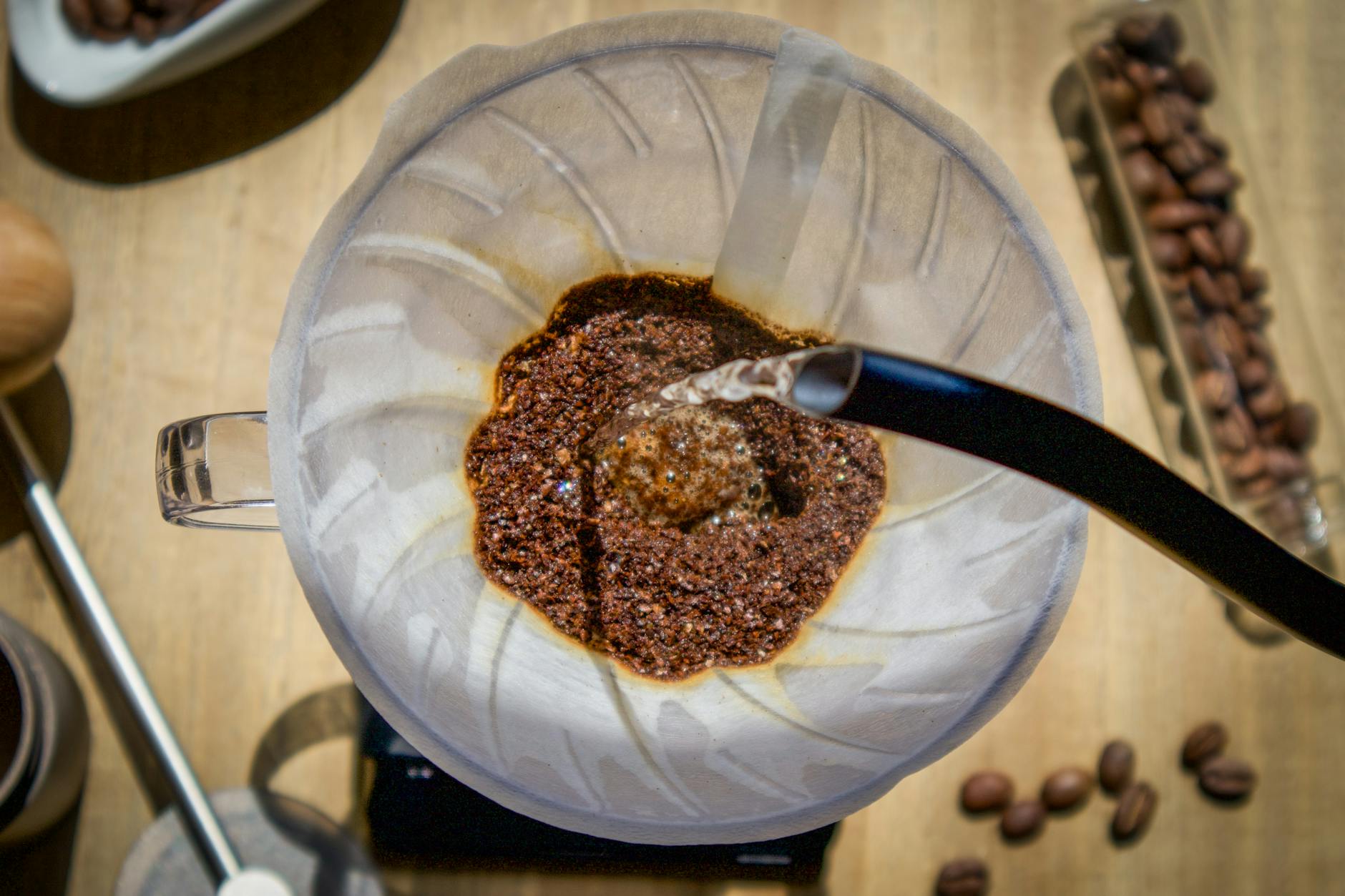
Perfecting a cup of coffee is a science, and one of the most critical variables in your equation is water temperature. While it might seem like a minor detail, the temperature you use can be the difference between a vibrant, delicious brew and a cup that’s disappointingly sour or harshly bitter. This is especially true when comparing two vastly different brewing methods: the delicate V60 pour-over and the intense, high-pressure espresso. They both produce exceptional coffee, but they achieve it in fundamentally different ways, demanding unique approaches to temperature control. In this article, we’ll dive deep into why V60 and espresso require different water temperatures and how you can use this knowledge to elevate your home brewing game.
The role of temperature in coffee extraction
Before we compare specific methods, it’s crucial to understand what water temperature actually does. Think of brewing coffee as a process of extraction. Hot water acts as a solvent, washing over the coffee grounds and dissolving various soluble compounds like acids, sugars, oils, and other flavor molecules. Temperature is the catalyst that dictates the speed and efficiency of this process.
Generally, the hotter the water, the faster and more efficiently it extracts these compounds. This can be both a good and a bad thing.
- Under-extraction: If your water is too cool, it won’t be able to dissolve the desirable sugars and deeper flavor notes effectively. This often results in a cup that tastes sour, weak, and underdeveloped.
- Over-extraction: If your water is too hot, it will extract everything too quickly, including unwanted bitter and astringent compounds. This leads to a harsh, dry, and unpleasant taste.
The goal of any brewing method is to find the “sweet spot”—a balanced extraction that highlights the best qualities of the bean. The ideal temperature to achieve this balance changes dramatically based on other factors, primarily brew time and pressure.
V60 brewing: A dance with gravity and heat loss
The Hario V60 is a classic pour-over method that relies on a gentle, gravity-fed infusion. The process typically takes between two to four minutes, a relatively long contact time between the water and the coffee grounds. During this time, the system is completely open to the air, which creates a significant challenge: heat loss.
From the moment water leaves your kettle, it starts to cool down as it hits the brewer, the coffee bed, and interacts with the surrounding air. To compensate for this constant temperature drop, V60 brewing requires a higher starting water temperature, typically in the range of 92-96°C (198-205°F).
Starting with hotter water ensures that the average temperature throughout the entire brewing cycle remains in the optimal extraction zone. This allows the water enough thermal energy to properly dissolve the complex acids and sweet sugars locked within the medium-coarse grounds, creating the clean, bright, and nuanced cup that pour-over is famous for. Using water below this range would likely result in an under-extracted brew lacking sweetness and depth.
Espresso brewing: Speed, pressure, and precision
Espresso is a completely different beast. Instead of a gentle pour, it uses high pressure (typically around 9 bars) to force hot water through a finely-ground, tightly-packed puck of coffee in just 25-30 seconds. This combination of intense pressure and an incredibly large surface area from the fine grind makes the extraction process hyper-efficient.
Because extraction happens so quickly and aggressively, espresso is far more sensitive to high temperatures. Using water in the V60 range would instantly over-extract the coffee, pulling out harsh, bitter compounds and resulting in an astringent, unpleasant shot. Therefore, the ideal temperature for espresso is slightly lower, generally between 90-94°C (194-201°F).
This moderated temperature provides enough heat to extract the desired oils and sugars without scorching the grounds or dissolving the less desirable elements. It allows the barista to control the violent speed of extraction, aiming for a balanced shot that is rich, sweet, and viscous with a beautiful crema on top. For espresso, temperature is less about compensating for heat loss and more about reining in an already powerful extraction process.
Comparing the key brewing factors
Temperature doesn’t exist in a vacuum. It works in tandem with other critical variables to create the final cup. Seeing these factors side-by-side clearly illustrates why each method requires its own unique temperature range. The interplay between brew time, grind size, and pressure is what ultimately dictates the thermal needs of the system.
| Feature | V60 (Pour-Over) | Espresso |
|---|---|---|
| Recommended Temperature | 92-96°C (198-205°F) | 90-94°C (194-201°F) |
| Primary Reason | Compensates for heat loss during a long brew time. | Controls a rapid, high-pressure extraction. |
| Brew Time | 2-4 minutes | 25-30 seconds |
| Grind Size | Medium-Coarse | Fine |
| Pressure | Gravity | ~9 Bars (High Pressure) |
Understanding the fundamental differences in how V60 and espresso work is the key to mastering your coffee. It’s a journey of balancing variables to achieve a delicious, repeatable result. While the recommended temperature ranges are an excellent starting point, don’t be afraid to experiment. A slightly lower temperature might bring out the delicate floral notes in a light roast V60, while a slightly higher temperature could tame the acidity in an espresso blend. The best cup of coffee is always the one that tastes best to you, and now you have the knowledge to control one of its most important ingredients: water temperature.

 No products in the cart.