

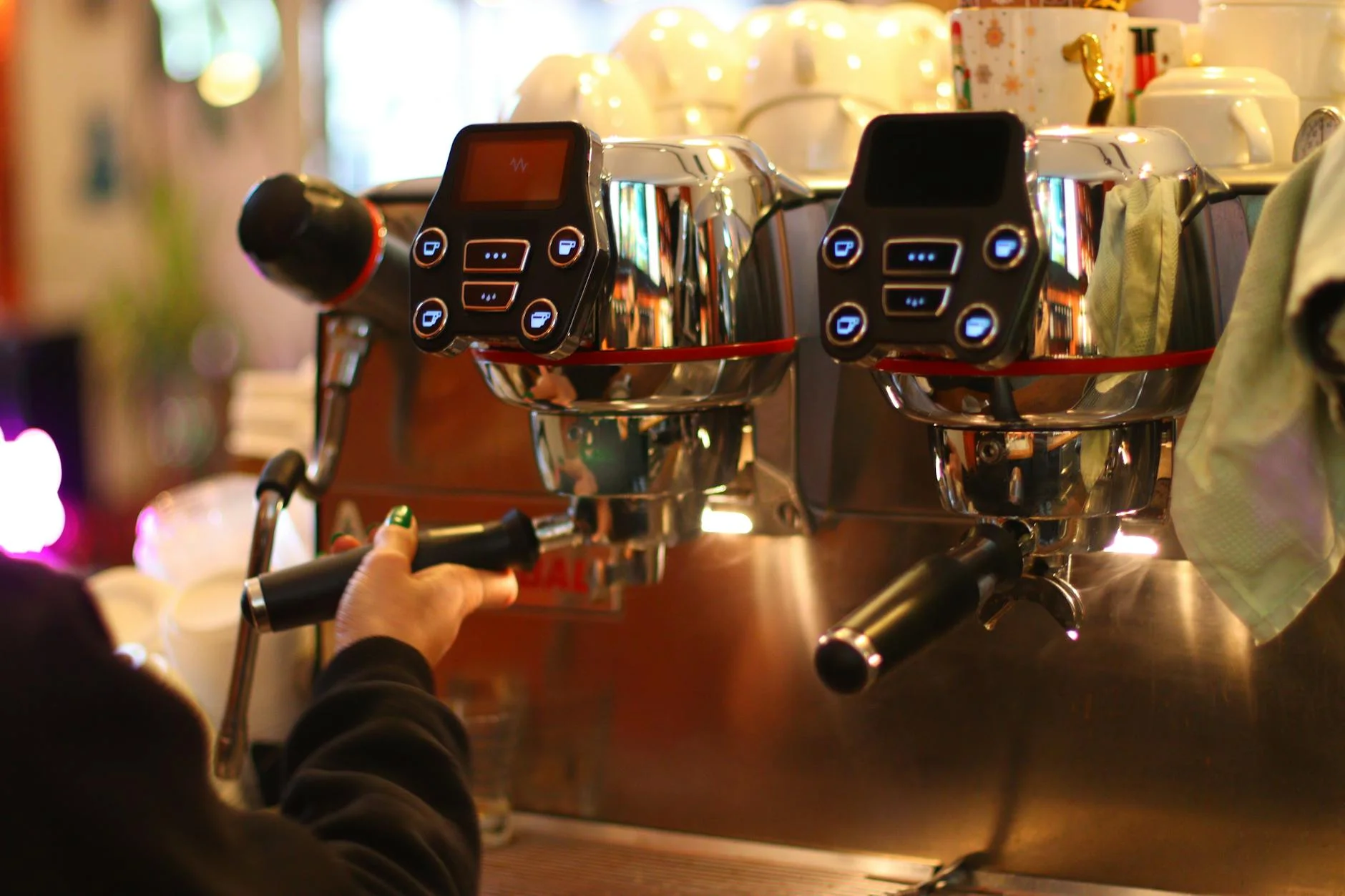
Upgrading a Gaggia Classic with a PID (Proportional-Integral-Derivative) controller is one of the most popular and effective modifications for aspiring home baristas. This upgrade transforms the machine’s temperature stability, allowing for repeatable, high-quality espresso shots. At the heart of this modification lies a small but critical component: the Solid State Relay, or SSR. However, when shopping for a PID kit, you’ll quickly notice different SSR types, most commonly the SSR-25 DA and the SSR-40 DA, alongside various brand names. This can be a source of confusion. This article will demystify the differences between these SSR types, explaining what the numbers mean and, more importantly, what truly matters when choosing a kit for your Gaggia Classic.
What is an SSR and why is it essential for a PID?
Before diving into the differences, it’s crucial to understand what an SSR does. Think of it as a highly sophisticated, durable light switch. The Gaggia Classic’s original thermostat is a simple mechanical switch; it turns the heating element fully on when the temperature is too low and fully off when it’s too high. This creates a wide temperature swing, which is bad for espresso consistency.
A PID controller, on the other hand, is much smarter. It uses an algorithm to predict temperature changes and maintain a very stable target. To do this, it needs to turn the heating element on and off very rapidly, sometimes multiple times per second, in a process called pulse width modulation. A mechanical switch would wear out and fail almost instantly under this kind of use. This is where the SSR comes in. As a solid-state device with no moving parts, it can handle this rapid switching thousands of times without wear and tear, precisely executing the PID’s commands to keep the boiler temperature incredibly stable.
Decoding the numbers: SSR-25 DA vs SSR-40 DA
The most common labels you’ll see on SSRs in Gaggia Classic PID kits are “SSR-25 DA” or “SSR-40 DA”. Let’s break down this code:
- SSR: Stands for Solid State Relay.
- 25 or 40: This is the maximum amperage (Amps) the relay is rated to handle. An SSR-25 is rated for 25 Amps, while an SSR-40 is rated for 40 Amps.
- DA: This indicates the control and load types. “D” means the control voltage is DC (Direct Current), which is what the PID controller outputs. “A” means the load it switches is AC (Alternating Current), which is what the Gaggia’s heating element uses.
The key question for a Gaggia Classic owner is: do I need 25 or 40 Amps? The answer lies in the machine’s power draw. A standard Gaggia Classic heating element is rated at around 1425 Watts. Using Ohm’s Law (Amps = Watts / Volts), we can calculate the current:
- In North America (120V): 1425W / 120V = 11.88 Amps
- In Europe/Australia (230V): 1425W / 230V = 6.20 Amps
As you can see, the machine’s maximum current draw is just under 12 Amps. This means that an SSR-25, rated for 25 Amps, has more than double the capacity needed to safely run the Gaggia Classic. An SSR-40 is even more oversized. While using an SSR-40 is not harmful, it offers no performance benefit for this application. Therefore, an SSR-25 DA is perfectly sufficient for the task.
The real difference: counterfeit vs. genuine components
While the debate between 25A and 40A is mostly academic, a far more critical issue is the authenticity of the SSR itself. The market is unfortunately flooded with cheap, counterfeit SSRs, often masquerading as well-known brands like Fotek. These fakes are a significant problem for several reasons:
- Overstated Ratings: A counterfeit SSR labeled “40A” may in reality only be able to handle 10A before it overheats and fails. Since the Gaggia Classic pulls close to 12A, this is a recipe for disaster.
- Failure Mode: High-quality SSRs are designed to fail “open,” meaning the circuit breaks and the heater turns off. Many counterfeit SSRs, however, fail “closed.” This means the switch gets stuck in the on position, sending continuous power to the heating element. This can cause the boiler to overheat uncontrollably, creating a serious fire hazard and potentially destroying your machine.
- Heat Generation: Genuine SSRs use high-quality internal components that operate efficiently. Fakes often use inferior parts that generate excessive heat, requiring larger heat sinks and increasing the risk of failure.
The most important decision you can make is not choosing between a 25A and 40A model, but ensuring you are getting a genuine, high-quality SSR from a reputable brand like Crydom, Omron, or from a trusted PID kit supplier who sources reliable components.
Comparison table of SSR characteristics
To summarize the key points, here is a direct comparison of the different SSR considerations for a Gaggia Classic PID modification.
| Feature | Genuine SSR-25 DA | Genuine SSR-40 DA | Counterfeit SSR |
|---|---|---|---|
| Rated Amperage | 25 Amps | 40 Amps | Often labeled 25A or 40A, but actual rating is much lower. |
| Suitability for Gaggia | Excellent. More than sufficient capacity. | Excellent. Overkill, but works perfectly fine. | Dangerous. Likely to be underrated for the machine’s power draw. |
| Primary Consideration | Sufficient overhead for safe and reliable operation. | Provides an even larger safety margin, but offers no functional benefit over the 25A model. | Extremely low cost is the main (and deceptive) appeal. |
| Key Risk | Minimal risk when sourced from a reputable supplier. | Minimal risk when sourced from a reputable supplier. | High risk of failing “closed,” leading to overheating and a potential fire hazard. |
When you’re installing a PID kit in your Gaggia Classic, your focus should be on safety and reliability. The amperage number on the SSR is less important than the quality of the component itself. Both a genuine 25A and 40A SSR will perform the job flawlessly, as both are rated well above the machine’s actual power requirements. The critical danger lies with cheap, counterfeit relays that falsify their ratings and can fail in a hazardous way. Always purchase your PID kit from a trusted and well-reviewed vendor who understands the importance of using authentic electronic components. This ensures your machine modification is not only effective in improving your espresso but is also safe for long-term use in your home.


 No products in the cart.