

Understanding espresso yield: A guide to the perfect coffee to water ratio
Pulling the perfect shot of espresso can feel like a delicate art, a morning ritual that sets the tone for the entire day. You have the best beans, a great machine, and a high-quality grinder, yet some shots are divine while others are disappointingly sour or bitter. The missing piece of the puzzle is often a concept that separates home enthusiasts from professional baristas: espresso yield. Understanding the relationship between the amount of dry coffee you use and the amount of liquid espresso in your cup is the single most powerful tool for gaining control and consistency. This article will demystify the espresso brew ratio, explaining what it is, how it dramatically impacts flavor, and how you can manipulate it to craft the perfect shot for your palate.
What is espresso yield and brew ratio?
Before we can master espresso, we need to speak the language. In the world of specialty coffee, precision is key, and that starts with measuring everything. The two most important measurements for any shot are the dose and the yield.
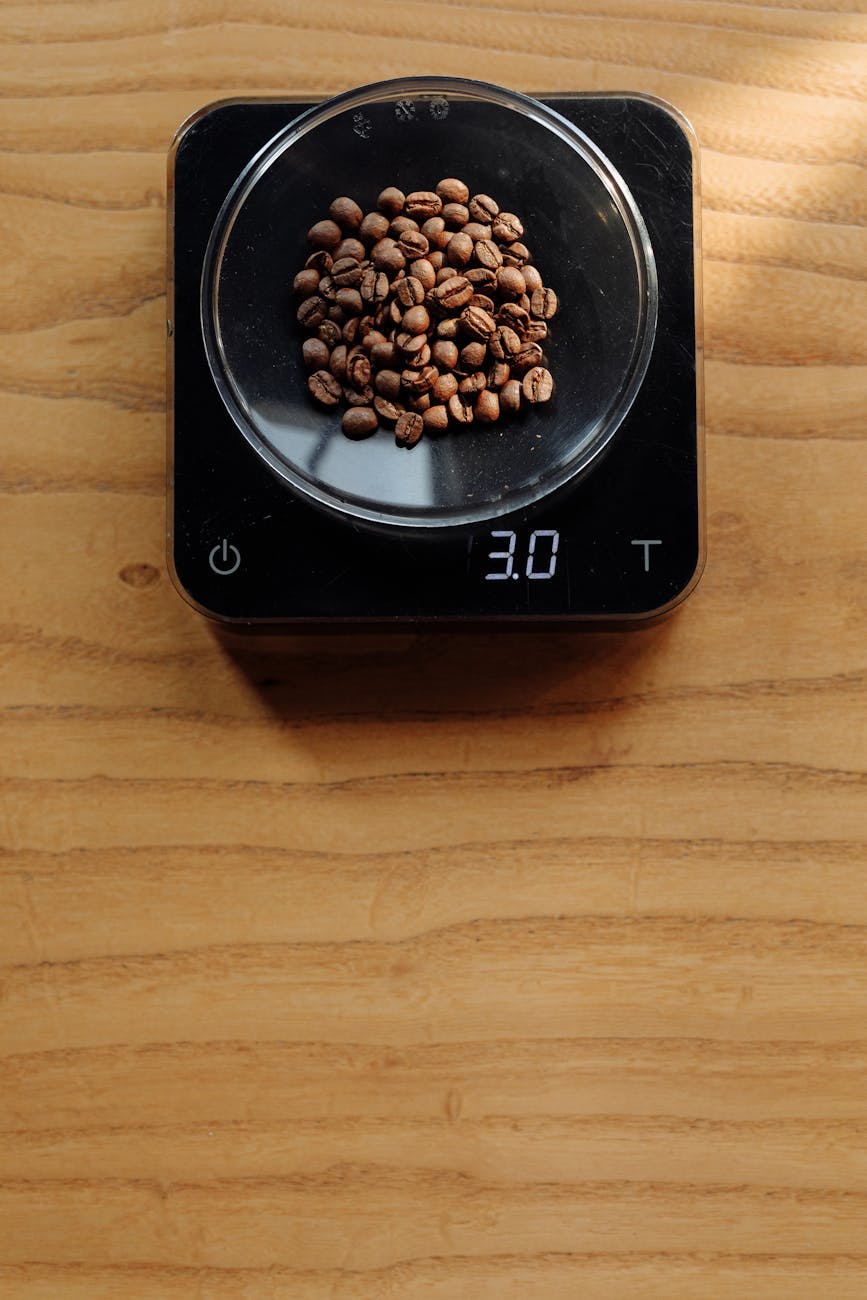
- Dose: This is simply the weight of your dry coffee grounds in the portafilter basket, measured in grams. A typical double espresso dose is between 16 and 20 grams.
- Yield: This is the final weight of the liquid espresso in your cup, also measured in grams.
The brew ratio is the relationship between these two numbers. It is expressed as Dose:Yield. For example, if you start with an 18-gram dose and pull a shot that weighs 36 grams, you have achieved a 1:2 brew ratio. This concept is fundamental because it gives you a repeatable recipe. Relying on volume (like milliliters or ounces) is notoriously inaccurate due to crema, the reddish-brown foam on top of an espresso shot, which can vary in density. A digital coffee scale is a non-negotiable tool for anyone serious about making consistently delicious espresso.
The classic espresso ratios explained
Once you understand the concept of a brew ratio, you can start exploring the three classic types of espresso shots. Each one uses a different ratio, which results in a distinct concentration, texture, and flavor profile. These are not rigid rules but rather established starting points for exploration. A standard 18-gram dose is used here for easy comparison.
Ristretto (Restricted)
A Ristretto shot uses a tight ratio, typically from 1:1 to 1:1.5. For an 18g dose, this means a yield of 18-27g. This shot is “restricted,” meaning less water is pushed through the coffee puck. The result is a highly concentrated, syrupy, and intense coffee with a thick body. It tends to highlight the coffee’s inherent sweetness and bright acidity while muting some of the bitter notes that appear later in the extraction process. If not dialed in correctly, it can taste sour or under-extracted.
Normale (Standard)
This is the modern industry standard and the best place to begin your journey. A Normale ratio is typically 1:2 to 1:2.5, meaning an 18g dose produces a 36-45g yield. This ratio aims for balance, providing a harmonious blend of sweetness, acidity, and bitterness. It offers a well-rounded flavor profile and a satisfying texture that works beautifully on its own or as the base for milk drinks like lattes and cappuccinos.
Lungo (Long)
As the name suggests, a Lungo is a “long” shot pulled with a higher ratio, usually from 1:3 to 1:4. An 18g dose would result in a large 54-72g yield. Because more water passes through the coffee, the shot is more diluted and has a thinner body. This ratio tends to extract more of the bitter compounds from the coffee, making it a good choice for certain dark roasts where you want to emphasize roasty, chocolatey notes. However, it can easily become over-extracted, leading to an unpleasant, astringent taste.
| Shot Type | Common Ratio (Dose:Yield) | Example Yield (from 18g Dose) | Key Flavor Profile |
|---|---|---|---|
| Ristretto | 1:1 – 1:1.5 | 18g – 27g | Intense, syrupy, sweet, acidic |
| Normale | 1:2 – 1:2.5 | 36g – 45g | Balanced, well-rounded, classic |
| Lungo | 1:3 – 1:4 | 54g – 72g | Diluted, bitter, roasty |
How brew ratio shapes the flavor in your cup
The transition from a Ristretto to a Lungo is not just about strength; it’s a journey through the coffee bean’s flavor profile. As water flows through the coffee grounds, it dissolves different flavor compounds at different rates. Understanding this sequence is the key to manipulating your brew ratio for a desired taste.
Early in the extraction (the Ristretto range), the most soluble compounds are extracted. These are primarily acids and some salts, which contribute to a bright, sharp, and sometimes sour taste. As the extraction continues into the Normale range, sugars are dissolved. This is where the shot develops its sweetness, body, and balance, mellowing out the initial acidity. Finally, as you push into the Lungo range, less soluble compounds begin to dominate. These include tannins and other bitter elements. Pushing the extraction too far is what leads to a classic over-extracted shot: one that tastes dry, astringent, and hollow.
In short, the brew ratio is your primary tool for controlling extraction. If your espresso tastes overwhelmingly sour, it’s likely under-extracted, and you need to increase your yield (use a longer ratio) to pull in more sweetness. If your shot is harshly bitter and dries out your mouth, it’s over-extracted, and you should decrease your yield (use a shorter ratio) to stop the shot before those compounds take over.
Finding your ideal ratio: a practical guide
The perfect ratio is not a universal number; it depends on your specific coffee beans, your equipment, and most importantly, your personal taste. Here is a simple, methodical approach to dialing in your espresso.
- Establish a baseline. Start with a standard 1:2 Normale ratio. Use a dose that’s appropriate for your portafilter basket (e.g., 18 grams). Your target yield will be 36 grams.
- Keep variables constant. The golden rule of dialing in is to change only one thing at a time. For this process, your dose should remain the same. Adjust your grind size so that your 1:2 shot is achieved in a reasonable time, typically between 25-35 seconds. This is now your starting point.
- Taste and adjust yield. Now, taste the shot. Is it what you want?
- If it’s too sour or acidic, your coffee is under-extracted. Keep everything else the same, but increase the yield. Try for a 1:2.2 ratio (e.g., 18g dose to 40g yield). This extra water contact will extract more sugars to balance the acidity.
- If it’s too bitter or astringent, your coffee is over-extracted. Keep everything else the same, but decrease the yield. Aim for a 1:1.8 ratio (e.g., 18g dose to 32g yield). This will cut the shot short before the bitter compounds dominate.
- Consider the bean. Different coffees shine with different ratios. Lightly roasted, single-origin coffees often have complex acidity and delicate floral notes that can be better expressed with a slightly longer ratio (like 1:2.5). Darker, classic Italian-style roasts with notes of chocolate and nuts often taste richer and less bitter with a shorter ratio (like 1:1.8).
By tasting and making small, deliberate adjustments to your yield, you can steer your espresso’s flavor profile with surprising accuracy.
Conclusion
Mastering espresso yield is about moving from guesswork to intention. By understanding and controlling the brew ratio, you are no longer a victim of a machine’s presets but an active participant in crafting your coffee’s flavor. We’ve seen that the brew ratio is the core relationship between your coffee dose and liquid yield, defining whether you’re pulling a concentrated Ristretto, a balanced Normale, or a long Lungo. More importantly, this ratio directly controls the level of extraction, allowing you to navigate between the flavors of sourness, sweetness, and bitterness. There is no single “best” ratio. The true ideal is a moving target that changes with every new bag of beans. So, grab your scale, start with a 1:2 ratio, and begin the rewarding journey of tasting, tweaking, and discovering the perfect espresso for you.
 No products in the cart.