

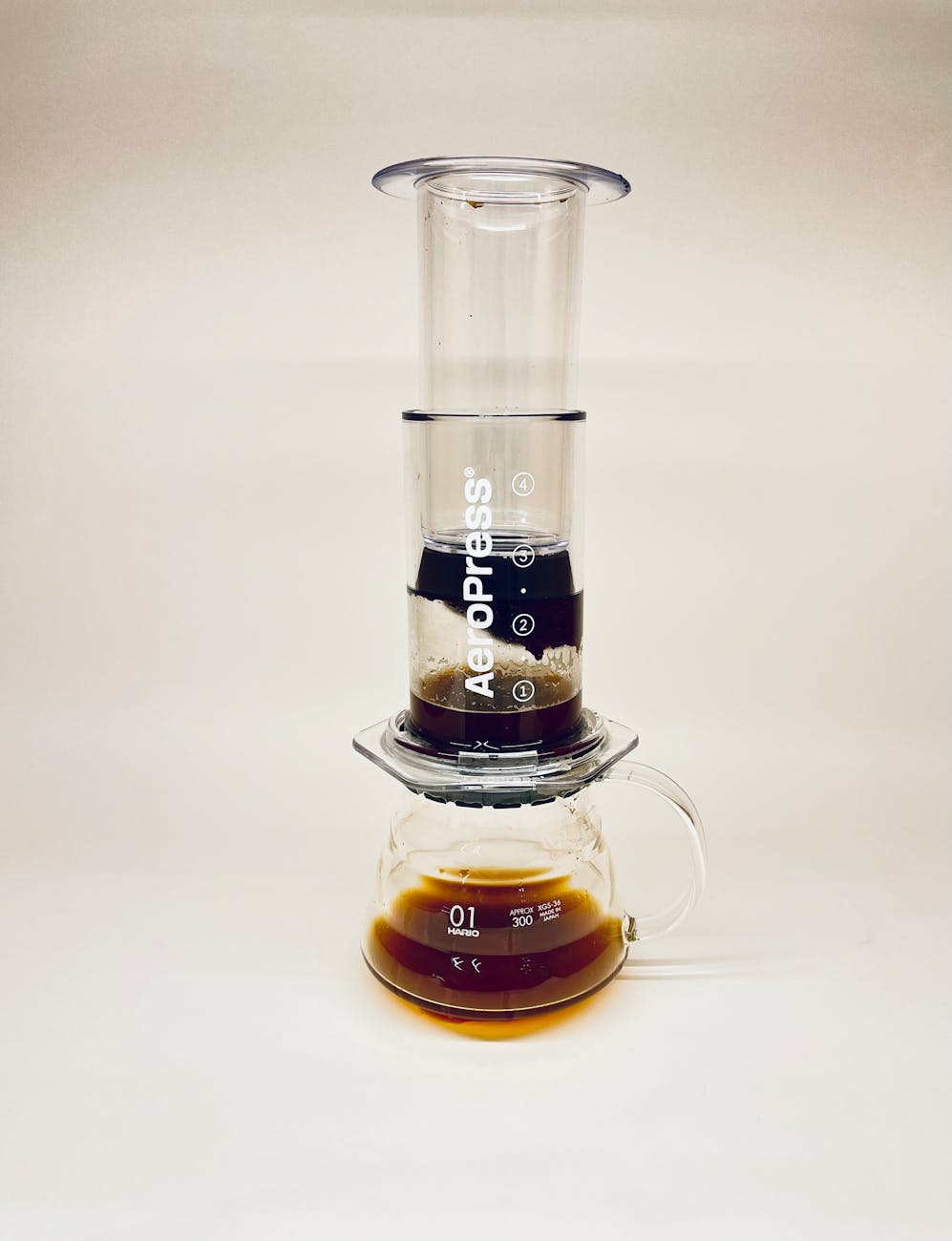
The AeroPress is a titan in the world of manual coffee brewing, beloved for its simplicity, portability, and the incredible control it offers. While brewers debate everything from the inverted method to water temperature, one of the most crucial yet misunderstood variables is pressure. How much force should you use when plunging? Does it even matter? The answer is a resounding yes. The pressure you apply is not just the final step in the process; it’s a powerful tool that directly shapes the extraction and, ultimately, the final taste in your cup. This article will demystify the science behind AeroPress pressure, explore how it impacts flavor, and provide you with practical techniques to harness it for your perfect brew.
What kind of pressure are we talking about?
First, let’s clear up a common misconception. The AeroPress is not an espresso machine. While it uses pressure to brew, the forces at play are in a completely different league. An espresso machine uses a powerful pump to force hot water through a finely-ground puck of coffee at around 9 bars of pressure. The AeroPress, on the other hand, relies entirely on the manual force you apply to the plunger. This creates a modest amount of pneumatic pressure, typically ranging from 0.25 to 0.5 bars. Even with a Herculean effort, you would struggle to exceed 1 bar of pressure.
So, what is this pressure actually doing? In simple terms, you are using air trapped in the chamber to push a column of water through a bed of coffee grounds. This force does two things: it helps the water penetrate and saturate the coffee grounds more efficiently, and it accelerates the rate at which the brewed coffee passes through the filter. Unlike a drip brewer where gravity does the work, the AeroPress gives you direct, tactile control over the speed and force of this final extraction phase.
How pressure impacts coffee extraction
Coffee brewing is a delicate dance of dissolving soluble compounds—sugars, acids, oils, and other flavor elements—from solid grounds into water. Pressure is a catalyst in this process. By increasing the force of the plunge, you speed up the rate of extraction. Think of it as a shortcut. The applied pressure forces water into and through the coffee particles more aggressively, washing out soluble compounds more quickly than a simple immersion or drip method would.
This is where the concept of a “pressure profile” becomes important. It’s not just about the total force, but also about the consistency and duration of that force. A fast, aggressive plunge creates a short, high-pressure event, while a slow, gentle plunge creates a longer, low-pressure event. Each approach interacts differently with the coffee bed, extracting different compounds at different rates and leading to vastly different results in the cup. This interaction is the key to unlocking the flavor potential of your beans.
Manipulating pressure to control flavor
This is where theory meets practice. The speed of your plunge is the most direct way to control pressure. By consciously deciding whether to press fast or slow, you can steer the flavor profile of your coffee. Let’s break down the two main approaches.
- The fast plunge (high pressure): A quick press, typically completed in 10-20 seconds, generates a higher peak pressure. This aggressive approach tends to extract more oils and fine, non-dissolved solids, resulting in a cup with a fuller, heavier body and more intense, bold flavors. However, it comes with risks. High pressure can cause “channeling,” where water finds the path of least resistance through the coffee bed, leading to uneven extraction. It can also force too many fine particles through the filter, creating a cloudy, sometimes bitter or astringent brew.
- The slow plunge (low pressure): A gentle, steady press that takes 30-60 seconds creates lower, more consistent pressure. This allows for a more even and delicate extraction. The result is a cup with greater clarity, a lighter body, and more defined, nuanced flavors. It excels at highlighting the bright acidity and inherent sweetness of a coffee bean. This method minimizes the risk of channeling and produces a much cleaner cup, though if you press too slowly with a coarse grind, you might risk under-extraction.
Here’s a simple comparison of the two techniques:
| Feature | Fast Plunge (High Pressure) | Slow Plunge (Low Pressure) |
|---|---|---|
| Plunge Time | 10-20 seconds | 30-60 seconds |
| Resulting Body | Fuller, heavier | Lighter, cleaner |
| Flavor Profile | Intense, bold, sometimes muddled | Nuanced, clear, highlights sweetness |
| Clarity in Cup | Can be cloudy | Very clear |
| Primary Risk | Channeling and bitterness | Under-extraction (if too slow) |
Finding your perfect press
Pressure is not a variable that exists in a vacuum. It works in concert with grind size, water temperature, and brew time. Mastering your AeroPress means understanding how to balance these elements. For example, if you’re brewing a delicate Ethiopian coffee and want to highlight its floral, tea-like notes, you might opt for a slightly finer grind but pair it with a very slow, 45-second plunge. This allows for full extraction without introducing the bitterness that a fast plunge might create with a finer grind.
Conversely, if you want to create a rich, espresso-like concentrate for an iced latte, you would use a fine grind, less water, and a firm, fast press. This technique builds that heavy body and intensity needed to stand up to milk and ice. The most important takeaway is to be intentional. Don’t just push the plunger down without thinking. Pay attention to the resistance you feel and time your press. Experimentation is key, but so is consistency. Once you find a plunge speed that works for a particular coffee, try to replicate it every time for repeatable, delicious results.
In conclusion, the pressure you apply during an AeroPress brew is far more than an afterthought. It is a fundamental variable that directly dictates the speed of extraction and, consequently, the final character of your coffee. We’ve seen that it’s not about high versus low pressure in an absolute sense, but about controlling the speed and consistency of your plunge. A fast press builds body and intensity at the risk of bitterness, making it suitable for strong, concentrated shots. A slow, gentle press yields a cup of remarkable clarity and nuance, perfect for savoring the delicate notes of a single-origin bean. The ultimate power of the AeroPress lies in this control. So next time you brew, pay close attention to that final push—it’s your last, best chance to shape the perfect cup.
 No products in the cart.