

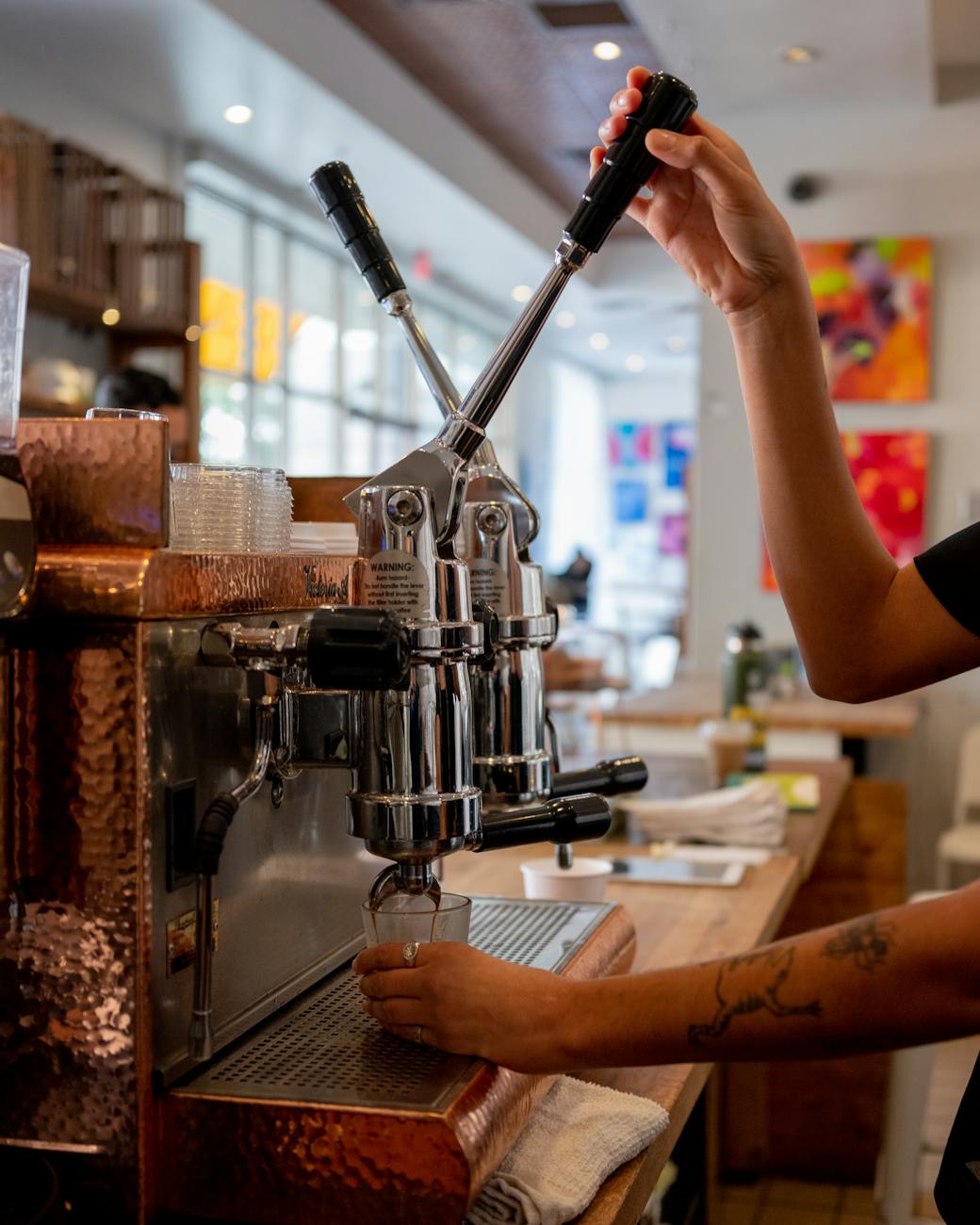
Making the leap: a guide to manual espresso from semi-automatic
You’ve mastered your semi-automatic espresso machine. You can pull a decent shot, steam milk, and you understand the basics of grind size and tamping. Yet, you find yourself drawn to the elegant, hands-on appeal of a manual lever machine. This transition can feel intimidating, but it’s a deeply rewarding journey into the heart of coffee extraction. Moving from a machine that uses a pump to create pressure to one where you are the pump opens up a new world of control and flavor. This guide is designed to demystify the process, offering practical tips to help you move from pushing a button to pulling the lever with confidence and making the best espresso of your life.
Understanding the fundamental differences
The biggest shift from a semi-automatic to a manual machine is the source of pressure. Your semi-automatic machine uses an electric pump to force water through the coffee puck at a consistent pressure, usually around 9 bars. You start and stop the shot, but the machine handles the pressure. With a manual lever machine, your arm provides the force. This isn’t just a mechanical difference; it’s a complete change in philosophy. You are no longer just an operator; you are an active participant in the extraction.
This direct control means you can manipulate variables that were previously fixed. You can control the pre-infusion, the gradual wetting of the coffee puck, by holding the lever in a certain position. You can also vary the pressure throughout the shot, a technique known as pressure profiling. A typical manual shot might start with a low-pressure pre-infusion, ramp up to full pressure, and then gradually decline as the shot finishes. This mimics how pressure naturally decreases in a spring-lever machine and can result in a sweeter, more balanced shot with less bitterness.
Mastering the new workflow and variables
Because you are now in charge of pressure and flow, every other step in your preparation becomes magnified in importance. Inconsistencies that your semi-automatic machine might have masked will now lead to a failed shot. The key is to build a rock-solid, repeatable workflow. Start by focusing on what you can control before you even touch the lever.
- Dialing in your grind: Your coffee grinder is now your most important tool. A manual machine is far less forgiving of an inconsistent or incorrect grind size. You will likely need to grind finer than you did for your semi-automatic. Make one tiny adjustment at a time until you feel the right amount of resistance on the lever and see a beautiful, syrupy extraction.
- Perfecting your puck prep: Channeling, where water finds a path of least resistance and bypasses the coffee, is the enemy of good manual espresso. Ensure your dose is consistent to the tenth of a gram by using a scale. Distribute the grounds evenly in the portafilter using a distribution tool (WDT) and tamp levelly with consistent pressure every single time.
- Managing your brew ratio: Forget timing the shot, at least initially. Place a scale under your cup and focus on the brew ratio, which is the weight of the coffee grounds to the weight of the liquid espresso. A good starting point is a 1:2 ratio. For 18 grams of dry coffee, aim for 36 grams of liquid espresso in your cup.
Essential gear and calibration
While the machine itself is simpler, the tools surrounding it become more critical. Upgrading your gear can make the learning process significantly less frustrating. A high-quality espresso grinder with stepless or very fine micro-adjustments is almost non-negotiable. It gives you the precise control needed to make the tiny changes that a manual machine demands. A precision coffee scale with a 0.1-gram resolution is also essential for measuring both your dose and your yield accurately.
Let’s be honest, your old workflow needs an update. Thinking in terms of manual control versus automated assistance helps clarify why these tools are so important. The following table breaks down the key differences in approach:
| Variable | Semi-automatic approach | Manual approach |
|---|---|---|
| Pressure | Constant 9 bars (pump-driven) | Variable (user-controlled by the lever) |
| Pre-infusion | Often timed electronically or absent | Manual, felt and controlled by lever position |
| Shot control | Push a button to stop at volume/time | Stop pull based on yield, color, and flow rate |
| Feedback | Mainly visual (shot timer, pressure gauge) | Tactile (lever resistance), visual, and taste |
Developing your senses and patience
Finally, the most significant change is learning to trust your senses over a digital timer. A manual machine gives you direct feedback. You can feel the resistance in the lever. If it’s too easy to pull, your grind is too coarse. If you have to strain, it’s too fine. This tactile feedback is your most valuable guide.
You also need to learn to watch the espresso. Look for the first drips to appear evenly across the basket. Watch as the stream comes together into a single, steady flow. Notice the color and texture, often called “tiger striping,” as the shot progresses. As the shot blondes and becomes watery, you know the best part of the extraction is over. Above all, be patient with yourself. You will pull bad shots. You will make messes. Every coffee enthusiast who uses a manual machine has a “sink shot” story. Don’t get discouraged. Each attempt is a learning opportunity that brings you one step closer to espresso perfection.
The journey from a semi-automatic to a manual espresso machine is a challenging but incredibly satisfying one. By understanding the core mechanical differences, you can appreciate why precision in your workflow is so crucial. Mastering your puck preparation, investing in a capable grinder and scale, and being methodical will set you up for success. The key takeaway is to embrace the hands-on process. Learn to use the tactile feedback from the lever and the visual cues from the extraction as your guides. This transition is less about replacing technology and more about developing a craft. With patience and practice, you’ll be rewarded not just with superior espresso, but with a deeper, more intimate connection to your daily coffee ritual.

 No products in the cart.