

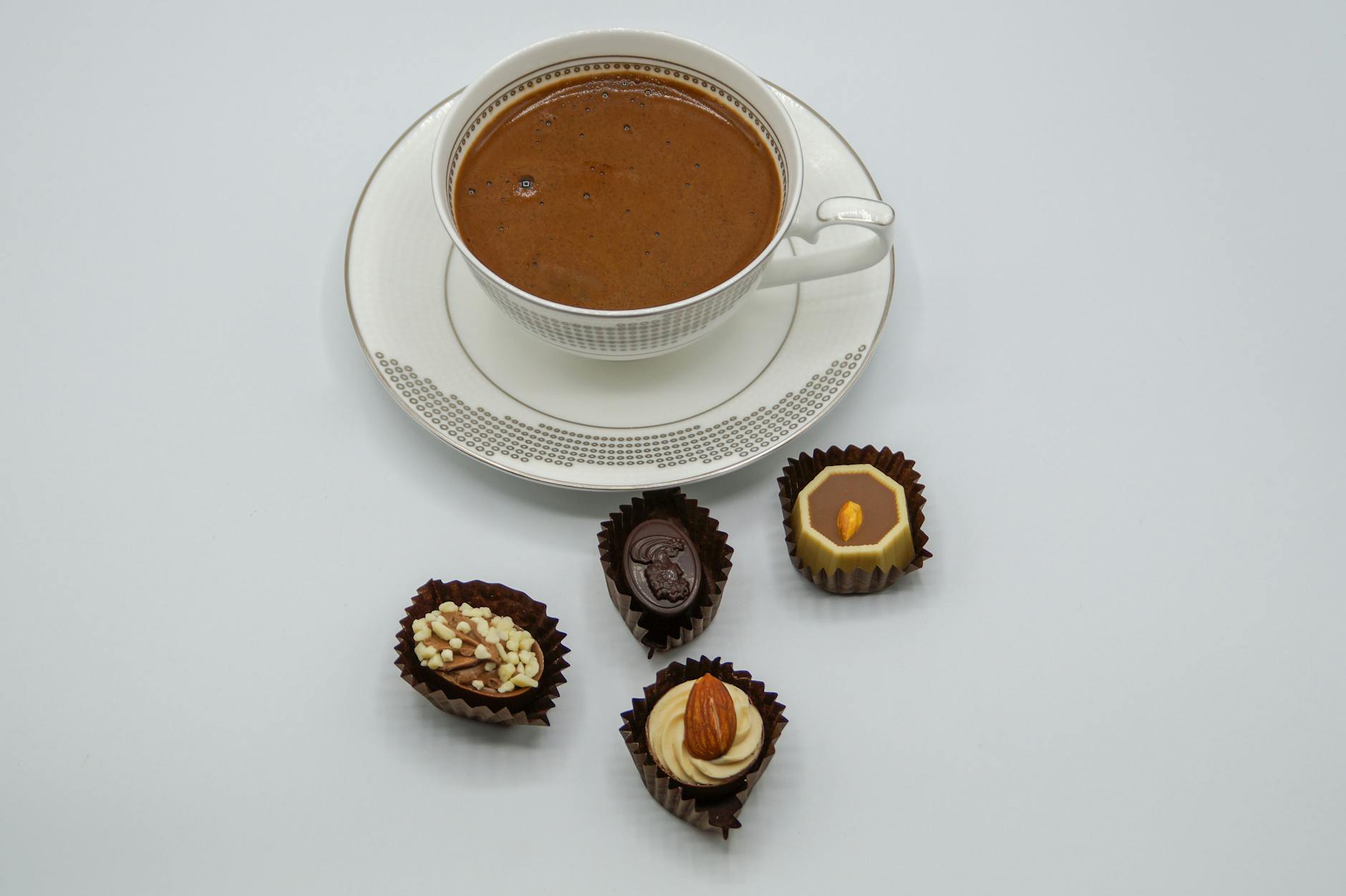
The Cafelat Robot is a marvel of manual espresso engineering, celebrated for its simplicity, durability, and the exceptional quality of shots it can produce. Its hands-on nature is a major part of its appeal, offering a tactile connection to the art of espresso making. However, for many users, especially on a busy morning or when serving guests, this manual process can feel a bit slow. The steps of weighing, grinding, preparing the puck, and pulling the shot can add up. This article is for Robot enthusiasts who love the quality but wish to speed up their routine. We will explore a series of practical tips and workflow adjustments, from station setup to cleanup, designed to make your Cafelat Robot experience faster and more efficient without compromising the delicious results in your cup.
Mise en place: Preparing your station for success
The secret to speed in any kitchen, whether for cooking or coffee, is mise en place, a French term meaning “everything in its place.” Applying this concept to your Robot workflow is the single most effective way to reduce friction and save time. Before you even begin grinding your coffee, your station should be ready for action. This means having every tool you need laid out and accessible. Your scale, tamper, WDT tool, spray bottle, and a dedicated cloth should be within arm’s reach. Your kettle should be on and heating the water.
Thermal management is crucial for the Robot, but it can also be a time sink. Integrate pre-heating into your initial setup. While your kettle boils, place the piston and portafilter basket on top of the lid. The steam will gently bring them up to temperature without requiring a separate, time-consuming hot water bath. By the time your water is at the target temperature, your key components are pre-heated, and you are ready to move directly to the next step. This habit of preparing your entire environment first transforms a clunky sequence of individual tasks into a single, smooth process.
Optimizing your puck preparation routine
With your station set, the next area for major time savings is in preparing the puck. A consistent and efficient routine here not only speeds things up but also leads to better, more repeatable shots. After grinding your beans, use a portafilter funnel. A funnel is non-negotiable for a fast workflow; it prevents messy grounds from spilling over the sides of the basket, saving you precious seconds on cleanup and ensuring your full dose makes it in.
Next, focus on a swift Weiss Distribution Technique (WDT). You don’t need to stir endlessly. A few quick circular and raking motions with a proper needle tool are enough to break up clumps and settle the grounds evenly. Following WDT, give the portafilter a single, firm tap on the counter to create a flat bed for tamping. When it comes to tamping, the Robot’s design is very forgiving. Don’t overthink it. A simple, level press until you feel the coffee bed is compacted is all you need. Finally, place the puck screen on top and you’re ready. This entire sequence, from grounds-in to screen-on, can be reduced to under 30 seconds with practice.
Mastering the pull and post-shot sequence
The act of pulling the shot is the heart of the Robot experience, but the steps surrounding it can be streamlined. Use a gooseneck kettle for filling the basket with water. Its precise spout allows you to pour quickly and accurately without spilling, especially if you fill it directly on your scale to hit your target water weight. Having a clear pressure profile in mind before you raise the arms saves time. Instead of guessing, know your goal—for example, a 10-second pre-infusion at 2 bars, followed by a ramp up to 8 bars for the main extraction. This decisiveness eliminates hesitation.
The most critical speed tip, however, comes immediately after the shot is finished. Do not let the portafilter sit. As soon as your cup is off the scale, take the portafilter to your knock box and eject the puck. A hot, wet puck will slide out in a single, clean piece. If you wait, it cools, dries, and sticks to the basket, turning a 2-second task into a 30-second struggle. Immediately rinse the basket and puck screen under hot water and wipe them, along with the piston bottom, with your dedicated cloth. This immediate cleanup routine leaves your Robot ready for its next use and takes less than a minute.
Workflow comparison for multiple drinks
The real test of an efficient workflow is making multiple drinks back-to-back. This is where an “assembly line” approach, built on the previous tips, truly shines. Instead of making one full drink from start to finish and then starting the next, you should batch each step. Weigh out the beans for both drinks first. Then, grind both doses. Prepare one puck, pull the shot, and while it’s extracting, you can begin preparing the second puck in another basket (if you have one). This minimizes downtime and creates a continuous, flowing process.
Let’s compare a standard approach to an optimized one for making two espressos.
| Task | Standard Workflow (Time) | Optimized Workflow (Time) |
|---|---|---|
| Boil water & Pre-heat | 3:00 | 2:30 (Passive heating on kettle lid) |
| Prep & Pull Shot 1 | 1:30 | 1:00 (Efficient WDT/tamp) |
| Cleanup for Shot 1 | 1:00 | 0:00 (Cleanup moved to the end) |
| Prep & Pull Shot 2 | 1:30 | 1:00 (Puck prep overlaps with shot 1) |
| Final Cleanup | 1:00 | 1:30 (Cleaning both sets of gear at once) |
| Total Time | 8:00 | 6:00 |
As the table demonstrates, by batching steps and implementing an efficient cleanup strategy, you can easily save several minutes when making just two drinks. The time savings become even more significant as you add more drinks to the queue.
In conclusion, the Cafelat Robot’s manual nature is a feature, not a bug, and it doesn’t have to equate to a slow process. By embracing the principle of mise en place and creating a prepared coffee station, you lay the groundwork for a swift and smooth routine. Optimizing your puck preparation with tools like a funnel and mastering a quick WDT and tamp will shave off crucial seconds from every shot. Most importantly, adopting an immediate post-shot cleanup sequence not only saves time in the long run but keeps your equipment in top condition. When making multiple drinks, thinking like an assembly line by batching your steps can transform a lengthy affair into an impressively efficient performance. Ultimately, a faster workflow gives you more time to simply enjoy the outstanding espresso you created.
 No products in the cart.