

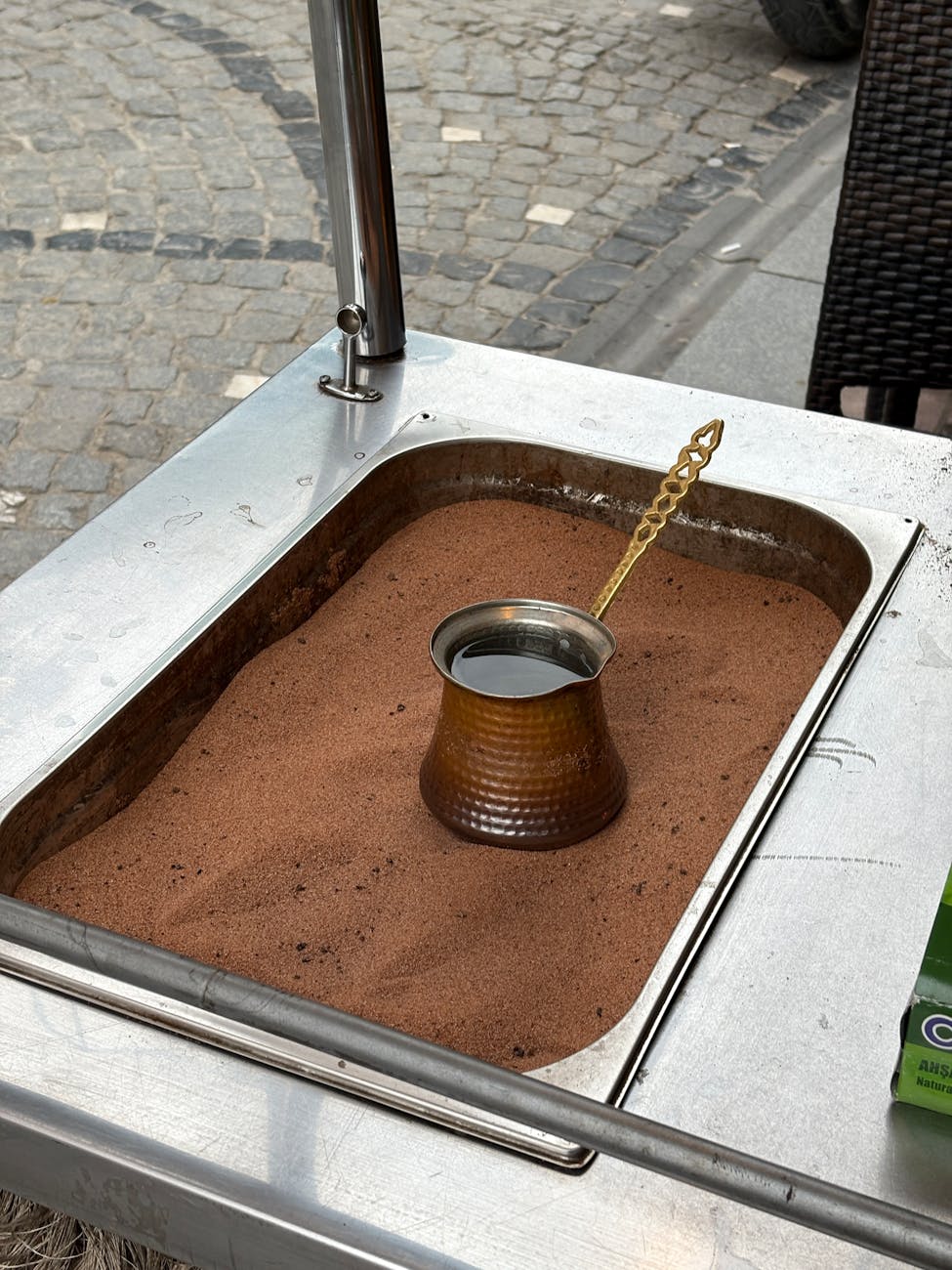
Turkish coffee is more than just a beverage; it’s a cultural institution, a ritual steeped in centuries of tradition. Its unique character—intensely flavorful, with a rich body and a velvety layer of foam, or köpük—is instantly recognizable. Many believe this perfection is achieved through some secret art, but the reality is far more fascinating. The magic of a perfect cup of Turkish coffee lies not in mystique, but in the precise application of science. Specifically, it is a masterclass in heat management. This article will delve into the physics and chemistry behind the traditional brewing process, exploring how controlling temperature unlocks the complex flavors and signature texture that define this ancient coffee style, turning simple ground beans and water into a sublime experience.
The foundation of extraction: Why slow heating is crucial
Unlike other brewing methods that rely on filters, Turkish coffee is an unfiltered, full immersion technique. The coffee is ground to a superfine, powder-like consistency, creating an enormous surface area. If you were to apply high, direct heat—as you might when boiling water for tea—the results would be disastrous. The outer layers of these tiny coffee particles would scorch almost instantly, releasing harsh, bitter compounds long before the desirable flavors locked within could be extracted. This is a classic case of over-extraction.
Slow, gentle heating is the scientific solution to this challenge. By gradually increasing the temperature, you allow the hot water to saturate the grounds evenly. This initiates a controlled and phased extraction process:
- Solubility: Different flavor compounds dissolve at different rates and temperatures. A slow heat ramp allows for the sequential extraction of bright acids, then sweet sugars, and finally the rich oils and deeper notes. Rushing this process creates an unbalanced cup.
- Chemical reactions: Gentle heat provides the perfect environment for crucial flavor-developing reactions like the Maillard reaction and caramelization to occur within the slurry. These reactions create the nutty, chocolaty, and toasted notes that are hallmarks of a well-made Turkish coffee.
In essence, slow heating isn’t just about avoiding a burnt taste; it’s about giving each component of the coffee bean the time it needs to contribute to a complex and harmonious final product.
The cezve’s role in thermal dynamics
The traditional brewing pot, known as a cezve or ibrik, is a brilliant piece of thermal engineering. Its design is not arbitrary; every curve and material choice serves a scientific purpose in heat management. The classic shape features a wide, flat bottom and a tall, narrow neck. This design masterfully controls heat transfer.
The wide base maximizes contact with the heat source, whether it’s a modern stovetop or traditional hot sand. This allows for a broad, even distribution of energy into the liquid, preventing “hot spots” at the bottom of the pot that could scald the grounds. Materials like copper or brass, prized for their high thermal conductivity, further ensure that heat spreads rapidly and uniformly across the base.
The narrow neck is equally important. It minimizes the surface area exposed to the air, which reduces heat loss and helps trap the volatile aromatic compounds that would otherwise escape as steam. More critically, the constricted opening funnels the rising liquid and foam during the final stage of brewing. This controlled rise is essential for building the thick, stable foam that is the crown of a perfect cup.
Decoding the foam: The science of the ‘köpük’
The velvety foam, or köpük, is the most celebrated feature of Turkish coffee, and its formation is a delicate dance of chemistry and physics. This isn’t just a layer of bubbles; it’s a complex and stable emulsion of coffee oils, proteins, and melanoidins, all surrounding microscopic bubbles of carbon dioxide (CO2).
The ultrafine grind is key. It allows for the release of a significant amount of trapped CO2 when exposed to hot water. The slow heating process is crucial because it encourages a steady, gentle release of this gas. A rapid boil would cause a violent eruption of gas, destroying any chance of forming a stable foam. Instead, as the temperature slowly climbs towards boiling, the CO2 is released in a controlled manner, creating fine bubbles that are trapped within the viscous liquid.
This process culminates in “the rise,” where the coffee swells and climbs the narrow neck of the cezve. This happens as the water approaches its boiling point (around 92-96°C), causing the trapped gasses to expand rapidly. The brewer must skillfully remove the cezve from the heat at the peak of this rise, just before it boils over. Boiling would collapse the foam and introduce bitterness, ruining the coffee. The foam itself then acts as an insulating layer, keeping the coffee beneath it hot and preserving its rich aroma until the very last sip.
Temperature stages and their chemical impact
The entire brewing process can be broken down into distinct stages, each defined by a temperature range that corresponds to specific physical and chemical events. Understanding these stages reveals just how much control a skilled brewer has over the final cup. A slight variation in temperature or timing can dramatically alter the balance of flavors and the quality of the foam.
The journey from cold water to a finished brew is a carefully managed thermal event. The brewer is not just heating water; they are guiding the coffee through a series of transformations. The table below outlines these crucial stages.
| Temperature range | Physical observation | Chemical impact on coffee |
|---|---|---|
| 20°C – 60°C (68°F – 140°F) | Grounds mix with water, color deepens slightly. | Initial wetting and the beginning of slow dissolution of the most soluble solids. |
| 60°C – 90°C (140°F – 194°F) | Aromas become prominent, foam begins to form at the edges. | Peak extraction of desirable acids, oils, and sugars. Maillard reactions begin, creating complexity. |
| 92°C – 96°C (198°F – 205°F) | Liquid swells and rises to the rim of the cezve. | Maximum CO2 release creates a rich foam. Danger of over-extraction and bitterness if this stage is prolonged. |
| > 96°C (>205°F) (Boiling) | Violent bubbling, foam collapses, and the liquid may boil over. | Desirable volatile compounds are lost. Bitter compounds like tannins are aggressively extracted. |
Mastering Turkish coffee is to master these thermal stages, using visual and aromatic cues to guide the process rather than a thermometer. It is the science of observation in action.
In conclusion, the art of brewing traditional Turkish coffee is deeply rooted in scientific principles. It is a testament to how ancient practices can embody a sophisticated understanding of chemistry and physics. The process is a deliberate manipulation of heat to control extraction, from the initial slow saturation of superfine grounds to the careful management of flavor-developing chemical reactions. The iconic cezve is not merely a pot, but a specialized tool for thermal regulation. The coveted foam is a direct result of controlled gas release at sub-boiling temperatures. By appreciating the science—the why behind the method—we can move beyond simply following a recipe and truly understand the skill involved in crafting the perfect cup of rich, aromatic, and foamy Turkish coffee.


 No products in the cart.