

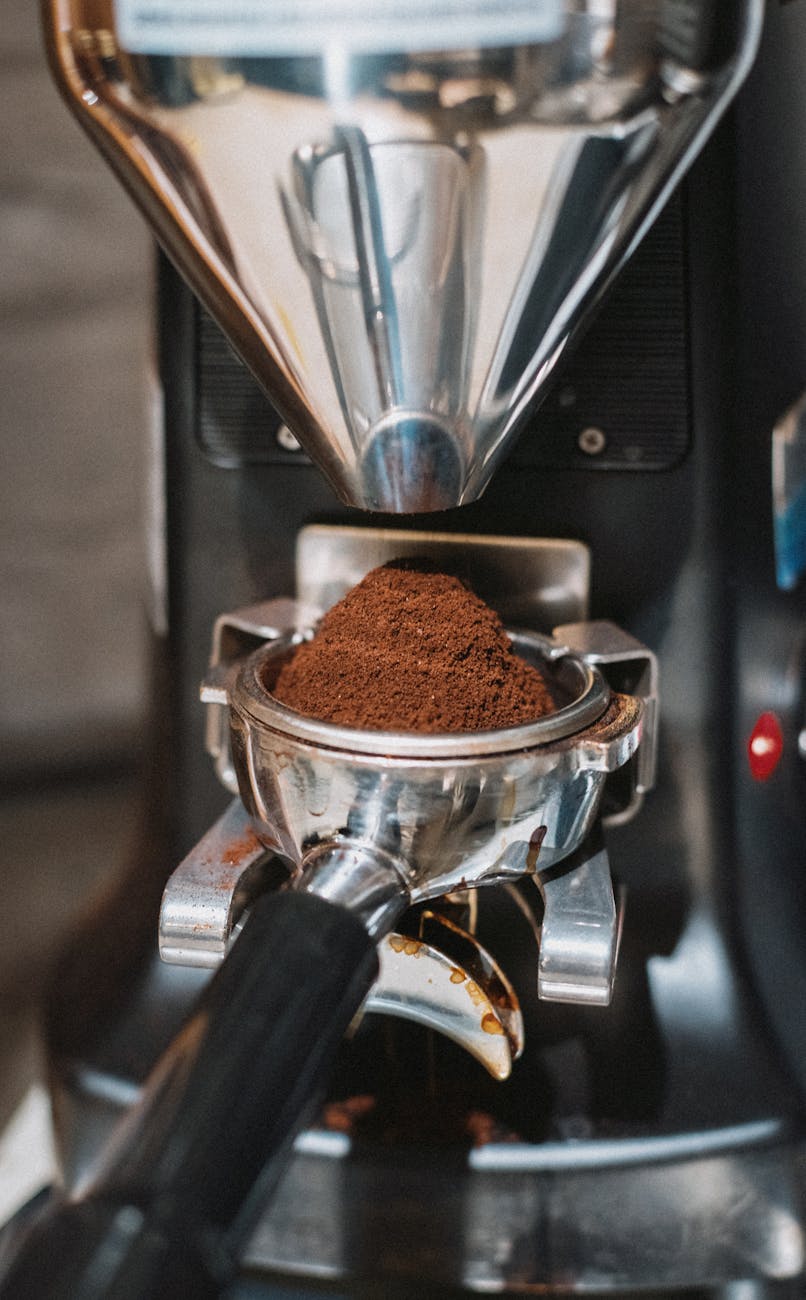
The science of grinder heat: Why your espresso shots are inconsistent
Every espresso enthusiast knows the frustration. You perfectly dial in your shot: the grind setting is just right, your dose is exact, and the extraction flows like liquid honey, hitting that magic 30-second mark. You pull a second shot for your partner, changing nothing, and it gushes out in 22 seconds. What went wrong? While many variables are at play, one of the most overlooked culprits is heat. The temperature of your coffee grinder, from the burrs to the motor, has a profound and measurable effect on your grind consistency and, consequently, your espresso shot timing. This article delves into the science behind grinder heat, exploring how it’s generated, its impact on the coffee bean itself, and how you can manage it to achieve repeatable, delicious results.
The physics of grinding and heat generation
At its core, a coffee grinder is a machine designed to apply immense force to brittle coffee beans, shattering them into smaller particles. This process, by its very nature, generates heat through two primary mechanisms: friction and motor operation.
Friction is the main offender. As the grinder’s burrs spin at high speeds, they cut, crush, and pulverize the coffee beans. Every collision and fracture creates frictional heat, transferring energy directly into the coffee grounds and the metal burrs. Think of rubbing your hands together on a cold day; the same principle applies, but on a much more intense and rapid scale. The finer you grind, the more work the burrs have to do and the longer the coffee is in contact with them, resulting in greater heat generation.
The grinder’s motor is the second source. Whether it’s an AC or DC motor, it will produce heat as a byproduct of its operation. This warmth can travel up the drive shaft and transfer to the burr set, further increasing the overall temperature of the grinding environment. In high-volume settings like a busy café, this motor heat becomes a significant and constant factor.
How heat changes the coffee bean
Once heat is introduced into the grinding chamber, it begins to alter the physical properties of the coffee beans. This isn’t about cooking the coffee; the temperature changes are subtle but have a dramatic impact on how the beans behave during grinding. The primary change is one of plasticity.
A cold coffee bean is very hard and brittle. When it hits the burrs, it shatters into a wide range of particle sizes, including larger chunks and very fine, dust-like particles known as “fines.” As the bean warms up even slightly, it becomes more malleable or plastic. A warmer, softer bean doesn’t shatter in the same way. Instead, it tends to be cut or crushed more uniformly. This often results in a different particle size distribution. For many grinders, this means the overall grind becomes finer and more uniform, as the softer beans can be ground down more easily.
This change in particle distribution is the critical link to shot timing. A different mix of coarse and fine particles will completely alter how water flows through the coffee puck, even if the grinder’s setting hasn’t been touched.
The direct link between grinder temperature and shot timing
This is where the science meets the real world of pulling a shot. The structure of your espresso puck determines its resistance to the 9 bars of pressure from your machine. That resistance is what allows for a slow, even extraction. As we learned, a change in grinder temperature alters the grind particle distribution.
Here’s the typical sequence of events during a busy period:
- The cold start: The first shot of the day is pulled with a cold grinder. The beans are brittle, producing a specific particle distribution that results in a 30-second shot.
- The warm-up: As you pull consecutive shots, friction and motor heat warm up the burrs.
- The change: The warmer burrs transfer heat to the beans, making them softer. The now-malleable beans grind finer or with a different particle spread.
- The result: This new grind distribution offers less resistance to water. Your next shot, at the very same grind setting, now runs much faster, perhaps in 22 seconds. This is often called “chasing the grind,” where a barista must continually adjust the grind setting finer to compensate for the heat and slow the shots back down.
This phenomenon isn’t a sign of a bad grinder; it’s a matter of physics. Understanding this relationship is key to moving from reactive adjustments to proactive management.
Practical strategies to manage grinder heat
You can’t eliminate heat, but you can certainly manage it for better consistency. The strategies differ slightly between home and professional environments.
For the home barista:
- Single dose: Weigh your beans for each shot and grind only what you need. Letting beans sit in a warm hopper preheats them, exacerbating the problem.
- Allow for cooling: If you are dialing in a new coffee and pulling multiple shots back-to-back, give your grinder a minute or two to cool down between adjustments to get a more accurate reading.
- Understand your baseline: Learn how your grinder behaves. Does it need one or two “sacrificial” grinds to reach a stable temperature? Knowing this helps you anticipate adjustments.
For the professional setting:
- Invest in climate control: Many high-end commercial grinders have built-in fans or cooling systems specifically designed to maintain thermal stability during a rush.
- Purge strategically: Grinding and discarding a small amount of coffee (a few grams) before the first shot after a lull can help bring the burrs back to a stable operating temperature.
- Adjust proactively: Experienced baristas know to anticipate the grinder heating up during the morning rush. They will start making tiny adjustments to a finer setting before the shots even start to run fast, staying ahead of the curve.
The effect can be clearly illustrated. Imagine a target of 20g of coffee in, 40g out, in 30 seconds.
| Grinder state | Burr temperature (approx.) | Grind setting | Resulting shot time |
|---|---|---|---|
| Cold start (first shot) | 20°C / 68°F | 10 | 30 seconds (Perfect) |
| After 5 shots in a row | 45°C / 113°F | 10 | 24 seconds (Too fast) |
| After 5 shots (adjusted) | 45°C / 113°F | 8.5 | 30 seconds (Corrected) |
Conclusion
The journey from whole bean to perfect espresso is a path dictated by physics. Grinder heat is not a random variable but a predictable consequence of the mechanical work involved in grinding. The friction from the burrs and warmth from the motor alter the physical state of the coffee beans, making them more plastic. This change directly impacts the particle size distribution of the grounds, which in turn governs the puck’s resistance and, ultimately, your shot timing. By understanding this chain of events, you can move beyond frustration and begin to manage temperature proactively. Whether by single dosing at home or making preemptive adjustments in a café, paying attention to your grinder’s thermal state is a crucial step toward achieving true mastery and consistency in every single shot.
 No products in the cart.