

The science of extraction: Why manual levers offer more control
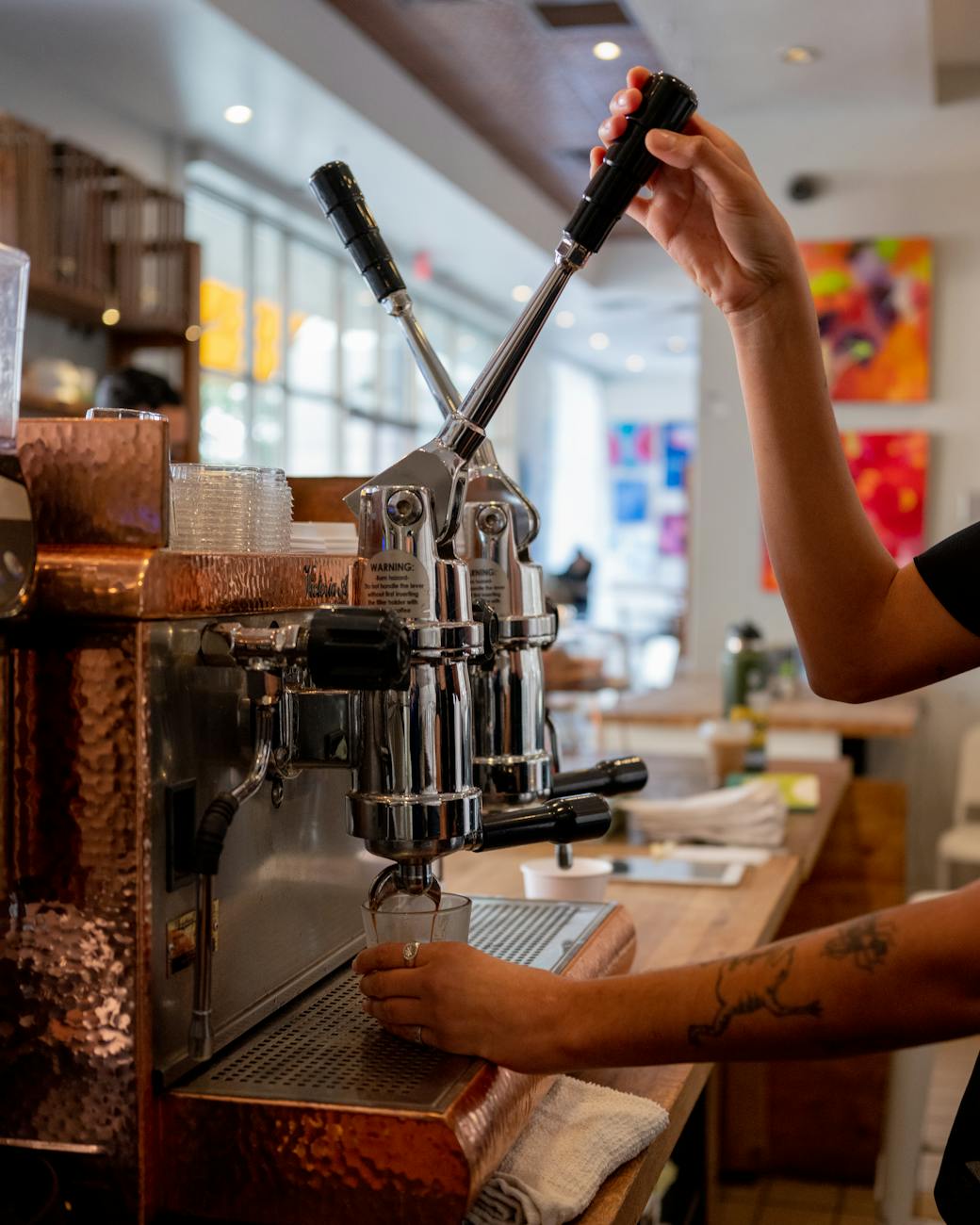
The image of a barista gracefully pulling down on a chrome lever is an iconic symbol of the art of espresso. Beyond its classic aesthetic, the manual lever espresso machine represents the pinnacle of hands-on control in coffee making. While automatic and semi-automatic machines offer convenience and consistency, they often operate within a rigid set of pre-programmed parameters. This article delves into the science of extraction to uncover why manual levers provide a more intimate and adjustable brewing experience. We will explore the core principles of pressure and flow profiling, the importance of tactile feedback, and how this direct control allows a barista to unlock nuanced flavors that might otherwise remain dormant within the coffee bean.
The fundamentals of espresso extraction
At its heart, espresso is a method of brewing coffee by forcing hot, pressurized water through a tightly packed bed of finely ground coffee, often called a “puck.” To achieve a balanced and delicious shot, several variables must be carefully managed. These include water temperature, the dose of coffee, the fineness of the grind, and the pressure applied during extraction. Most consumer and commercial semi-automatic machines are engineered to optimize one of these variables: pressure. They typically aim to deliver a constant, non-negotiable 9 bars of pressure from the moment the pump engages until the shot is stopped. This creates a standardized, repeatable process.
While this approach is excellent for consistency, it treats every coffee bean and every grind setting the same. It overlooks the dynamic nature of the coffee puck as it interacts with water. A manual lever machine, however, puts the most critical variable—pressure—directly into the hands of the operator, transforming a static process into a dynamic and responsive one.
Mastering the art of pressure profiling
The greatest advantage of a lever machine is the ability to perform pressure profiling, which is the manipulation of pressure at different stages of the extraction. A typical shot on a lever machine can be broken down into three key phases, each with a distinct purpose.
- Pre-infusion: This is the initial stage where water at a very low pressure (often 1-3 bars) is introduced to the dry coffee puck. On a spring-lever machine, this is done by lifting the lever, which allows line pressure or water from the boiler to gently saturate the grounds. This critical step helps settle the puck, reduce the risk of channeling (where water finds a path of least resistance and bypasses most of the coffee), and allows the coffee to bloom, releasing trapped CO2. The barista has direct control over the duration of this phase, a crucial adjustment for different roast levels and bean densities.
- Peak pressure and extraction: Once the lever is released (on a spring lever) or pulled down (on a direct lever), the pressure ramps up to its peak, typically hitting the 8-9 bar range. This is where the majority of the oils, sugars, and acids that define the espresso’s body and flavor are extracted.
- Tapering pressure: A unique characteristic of spring-lever machines is that as the spring expands, the pressure naturally and gradually declines throughout the shot. This tapering-off of pressure towards the end of the extraction is highly beneficial. It helps to prevent the over-extraction of bitter, astringent compounds that tend to be drawn out in the final seconds of a shot pulled at a constant 9 bars.
The tactile feedback loop
Beyond programmable pressure, a manual lever offers something an automatic machine cannot: a physical, tactile feedback loop. When you pull the shot, you are not just activating a pump; you are physically connected to the extraction process. You can feel the resistance of the coffee puck against the water pressure. This sensory information is invaluable for making on-the-fly assessments.
If the lever offers almost no resistance and sinks too quickly, you immediately know your grind is too coarse or you have a channeling issue. Conversely, if the lever is incredibly difficult to pull down and the espresso only drips out slowly, it’s a clear indication that your grind is too fine and is choking the machine. This direct feedback creates an intuitive relationship between the barista and the coffee, allowing for a much quicker and more nuanced understanding of how to dial in the perfect shot. It turns brewing from a simple button-pushing exercise into a responsive craft.
How pressure profiles impact flavor
The ultimate goal of controlling extraction is to influence the final taste in the cup. By manipulating pressure and flow, a skilled barista can highlight or suppress specific flavor characteristics within the same coffee bean. A long, gentle pre-infusion can soften the bright acidity of a light roast and bring forward more delicate floral or tea-like notes. A shorter pre-infusion followed by a sharp pressure ramp-up might emphasize the rich, chocolatey, and nutty notes of a darker roast while building a thicker, more viscous body.
This level of control allows for unparalleled personalization. Instead of being locked into a machine’s singular interpretation of espresso, the user can experiment with different profiles to find the perfect expression of a particular bean that suits their personal taste. The table below illustrates how different profiling choices can affect the final shot.
| Profile element | Action | Potential flavor impact |
|---|---|---|
| Long pre-infusion | Hold lever at low pressure for 10-15 seconds. | Reduces acidity, increases sweetness and clarity. Ideal for light roasts. |
| Short pre-infusion | Hold lever at low pressure for 3-5 seconds. | Emphasizes body and crema, retains bright notes. Good for traditional blends. |
| Gentle pressure ramp | Slowly increase pressure to the peak. | Creates a more blended, balanced shot with a softer mouthfeel. |
| Tapering pressure | Allow pressure to naturally decline at the end of the shot. | Reduces bitterness and astringency for a cleaner finish. |
In conclusion, the manual lever espresso machine is far more than a nostalgic piece of equipment. It is a precision instrument that empowers the home barista or coffee professional to engage directly with the science of extraction. By providing complete control over pressure profiling—from a gentle pre-infusion to a naturally tapering finish—and offering a priceless tactile feedback loop, it transforms coffee brewing from a static procedure into a dynamic craft. While the learning curve may be steeper, the reward is an unparalleled ability to explore, understand, and perfect the espresso shot. For those who seek the ultimate connection to their coffee and wish to tailor every cup to their exact preference, the lever machine remains the undisputed champion of control.

 No products in the cart.