

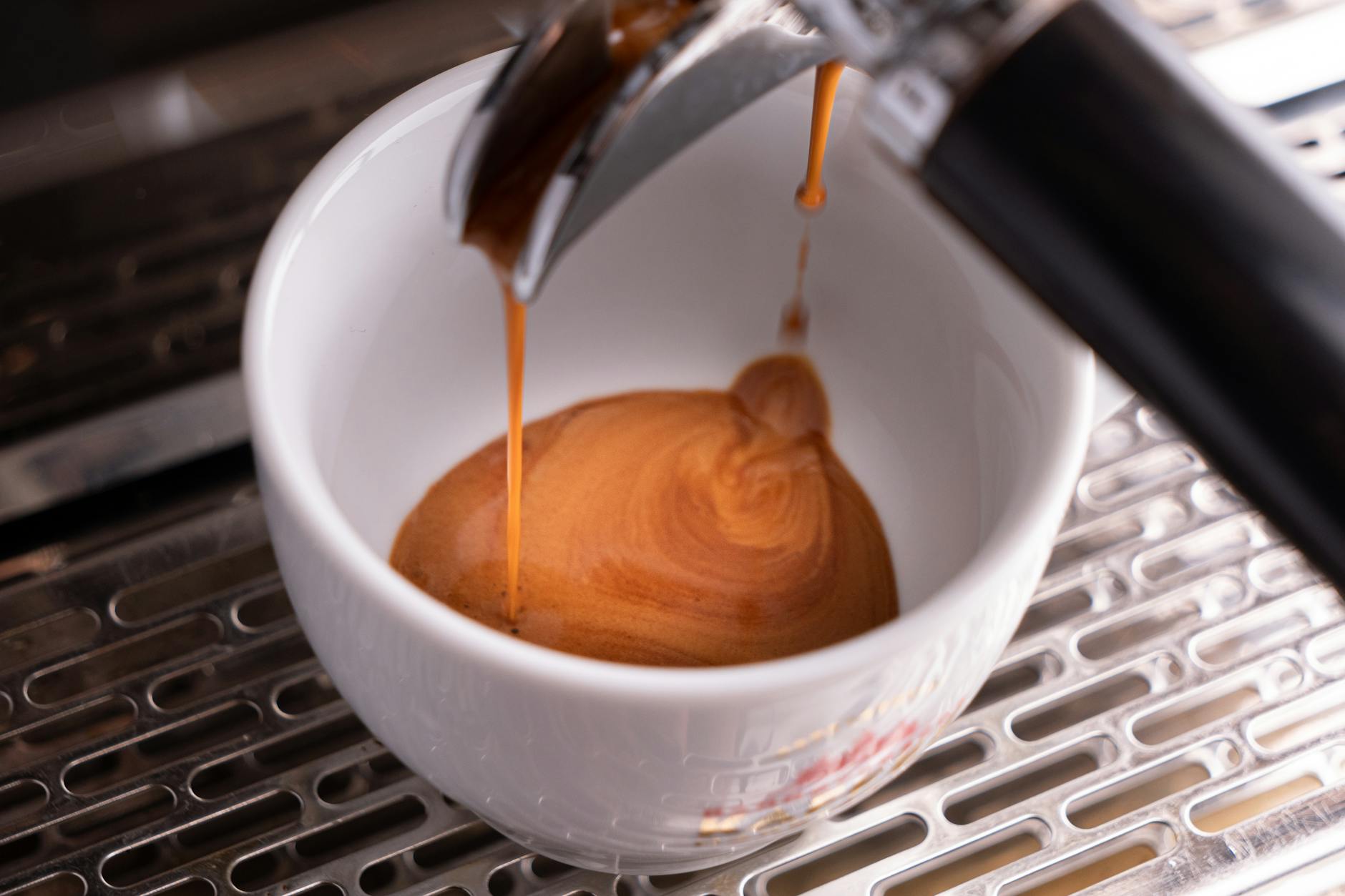
That beautiful, persistent, reddish-brown foam that rests atop a freshly pulled espresso shot is more than just a pretty layer. It’s called crema, and for baristas and coffee aficionados, it’s a vital visual cue, a window into the quality of the extraction. But what exactly is it, and what can it tell you about the coffee in your cup? Understanding the science behind crema is the first step toward troubleshooting your espresso and achieving that perfect, balanced shot. This article will delve into the complex chemistry of crema formation, explore how factors like bean freshness and roast level impact its quality, and teach you how to read its visual clues to diagnose the success of your brew.
What exactly is espresso crema?
At its core, espresso crema is a complex and delicate foam. It’s not just air; it’s an emulsion of microscopic coffee oils and a colloid of suspended coffee solids and gas bubbles. This intricate structure is born from the violent and precise process of espresso extraction. When hot water is forced through a finely-ground puck of coffee at high pressure (typically around 9 bars), it does two crucial things. First, it dissolves soluble solids and emulsifies the natural oils and lipids present in the coffee beans. Second, it supersaturates the water with carbon dioxide (CO2), a gas that gets trapped within the beans during the roasting process. When this high-pressure liquid exits the portafilter and hits the cup at normal atmospheric pressure, the CO2 rapidly comes out of the solution, forming thousands of tiny bubbles. These bubbles are then trapped by the emulsified oils, creating the stable, dense foam we know as crema.
The role of coffee beans and freshness
The quality and quantity of your crema are directly linked to the coffee you use, specifically its freshness and type. Since crema is primarily formed by CO2, the amount of this gas in your beans is paramount. Freshly roasted coffee is rich in trapped CO2. As days and weeks pass, the beans undergo a process called degassing, slowly releasing this CO2 into the atmosphere. This is why using beans that are more than a few weeks past their roast date will often result in a thin, weak crema that dissipates quickly—there simply isn’t enough gas left to create a robust foam. The type of bean also plays a significant role. Robusta beans, for instance, are known for producing a thick, dark, and exceptionally stable crema. This is because they generally contain more lipids and produce more CO2 during roasting than their Arabica counterparts. This is why many traditional Italian espresso blends incorporate a small percentage of Robusta to guarantee a visually stunning and lasting crema.
Decoding crema: a visual guide to your shot
The appearance of your crema is an immediate report card on your extraction technique. By observing its color, volume, and persistence, you can diagnose what went right or wrong. A well-pulled shot will typically have a fine, persistent crema with a rich, reddish-brown or hazelnut color, sometimes with darker “tiger striping.” Deviations from this ideal can point to specific problems in your process, from your grind size to your tamping pressure. Learning to read these visual cues is one of the most valuable skills for any home barista, allowing you to make quick adjustments and dial in your shot for better taste and consistency.
Here is a simple table to help you diagnose your espresso shot based on its crema:
| Crema Characteristic | Potential Indication | Possible Causes |
|---|---|---|
| Thin, pale, and fast-dissipating | Under-extraction | Grind is too coarse; dose is too low; water temperature is too low; stale coffee beans. |
| Dark brown, splotchy, with a hole | Over-extraction | Grind is too fine; dose is too high; water temperature is too high; tamping too hard. |
| Extremely thick, foamy, and bubbly | Coffee is too fresh | Beans have not degassed enough (typically within 1-3 days of roasting); excess CO2 creates unstable bubbles. |
| Rich, hazelnut/reddish-brown, stable | Good extraction | Well-balanced parameters: correct grind, dose, temperature, and fresh (but rested) beans. |
Is more crema always better?
While a beautiful crema is a sign of a technically well-made espresso, it is not the ultimate arbiter of flavor. This is a common misconception. Crema itself contains a high concentration of coffee solids and can have a distinctly bitter or ashy taste. Some coffee professionals even advocate for skimming it off or stirring it into the liquid espresso to integrate its flavors before drinking. The primary value of crema lies in its role as a diagnostic tool. It tells you if your coffee is fresh and if your extraction was likely balanced. However, a shot with a perfect-looking crema made from low-quality, burnt, or defective beans will still taste bad. Ultimately, taste is king. Use the crema to guide your technique, but always let your palate be the final judge of the espresso’s quality. The goal is a balanced, sweet, and aromatic shot, and crema is just one piece of that complex puzzle.
In conclusion, the crema on your espresso is far more than a simple topping. It is a direct result of the scientific process of high-pressure extraction, an emulsion of oils and gases that speaks volumes about the coffee’s journey from roaster to cup. We’ve seen that its presence is a strong indicator of coffee freshness, as the CO2 responsible for its formation depletes over time. Furthermore, its color, depth, and stability provide invaluable, immediate feedback on the extraction process, helping you diagnose issues like an incorrect grind size or temperature. While it is an essential guide for any barista, remember that it is not the sole measure of quality. The ultimate goal is a delicious, balanced taste, and crema is the beautiful, informative signpost that helps you get there.

 No products in the cart.