

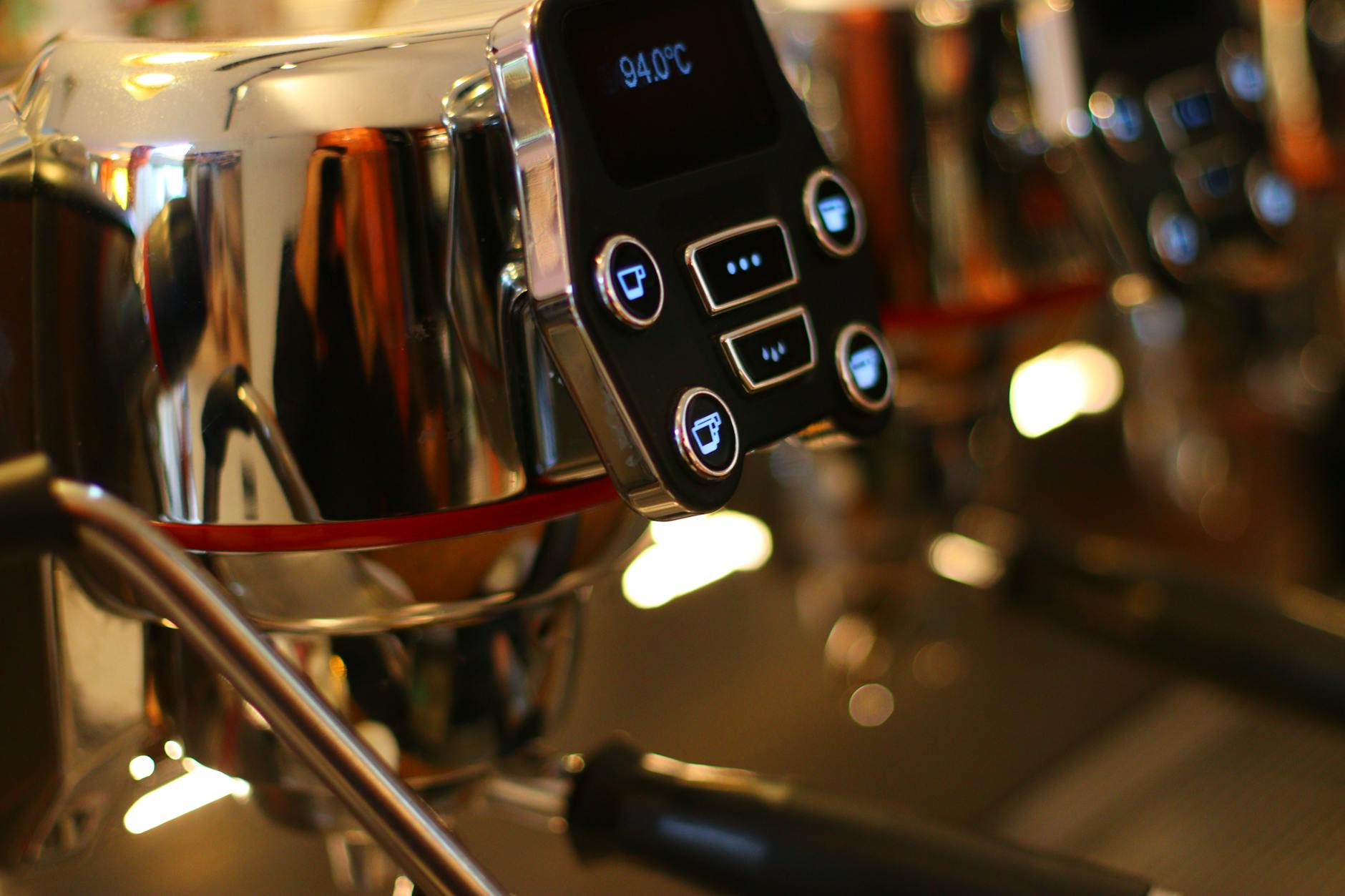
The Olympia Cremina is an icon in the world of home espresso, celebrated for its timeless design, robust build quality, and the purely manual extraction process it offers. For decades, enthusiasts have pulled exceptional shots based on feel, listening to the machine and sensing the resistance in the lever. This tactile approach is part of its charm. However, for those seeking ultimate consistency and the ability to intentionally manipulate extraction variables, relying on feel alone has its limits. This article will explore the transformative role of adding a manometer to a Cremina. We will delve into how this simple pressure gauge turns an intuitive art into a repeatable science, unlocking the full potential of pressure profiling on one of the finest manual lever machines ever made.
From feel to fact: why add a manometer to a Cremina?
Operating a stock Cremina is a sensory experience. You learn the right grind setting by the resistance you feel when pulling the lever. You judge pre-infusion by the first few drips of coffee appearing on the basket. A “god shot” is a moment of magic where all the variables align perfectly. The problem? Recreating that magic consistently can be a frustrating pursuit. Was the resistance you felt yesterday the same as today? Did you pre-infuse for 8 seconds or 12? Without data, you are essentially guessing.
This is where the manometer changes the game. By installing a pressure gauge into the group head, you are translating the physical force you apply to the lever into a quantifiable metric: bars of pressure. Suddenly, the abstract feel of resistance becomes a concrete number on a dial. This simple addition doesn’t remove the craft or the manual nature of the Cremina; instead, it enhances it. It provides the real-time feedback needed to move from reactive to proactive shot pulling, allowing you to make precise adjustments and, most importantly, repeat your successes with intention.
The anatomy of a pressure profiled shot
With a manometer, you can dissect the extraction process into distinct, controllable phases. Each phase has a profound impact on the final taste in the cup, and the gauge is your guide to navigating them. The typical shot can be broken down into three key stages:
- Pre-infusion: This initial stage involves gently saturating the coffee puck with low-pressure water before applying full extraction pressure. The manometer allows you to hold a specific low pressure, for instance, 1.5 to 2 bars, for a set amount of time (e.g., 10-15 seconds). This ensures the entire puck is evenly saturated, drastically reducing the risk of channeling and promoting a more uniform extraction.
- Ramp-up and peak pressure: As you begin the main pull, the gauge shows how quickly you are building pressure. You can opt for a fast ramp to a traditional 9 bars or a slower, more gentle ramp to a lower peak of 7 or 8 bars. This control is crucial for different beans; a delicate, light roast might benefit from a gentler approach to avoid extracting harsh, acidic flavors.
- Pressure decline: A natural characteristic of a manual lever is the declining pressure profile as the piston travels down and the spring (if present, though the Cremina is a direct lever) or your force lessens. A manometer lets you visualize and control this tail end of the shot. A graceful, tapering pressure can lead to a sweeter, more balanced cup by minimizing the extraction of bitter compounds that tend to come out at the end of a shot.
Practical pressure profiles for different coffees
The true power of a manometer-equipped Cremina is the ability to tailor your extraction profile to the specific coffee you are using. There is no single “perfect” profile; the goal is to unlock the best expression of each bean. By controlling the pressure and time for each phase of the shot, you can emphasize different characteristics, such as body, sweetness, or acidity.
This opens up a world of experimentation. A dense, light-roasted coffee might require a very long, low-pressure pre-infusion to ensure full saturation, while a classic Italian-style dark roast will shine with a more traditional, punchy profile. The manometer gives you the data to build, save, and refine these profiles for every coffee you try.
| Profile type | Pre-infusion | Peak pressure | Total shot time | Best for |
|---|---|---|---|---|
| Classic espresso | 3-5 sec @ 1.5 bar | 9 bar | 25-30 sec | Medium to dark roasts, blends. Emphasizes body, crema, and chocolatey notes. |
| Modern light roast | 10-15 sec @ 2 bar | 7-8 bar | 30-40 sec | Light roasts, single origins. Highlights acidity, clarity, and delicate floral or fruit notes. |
| “Slayer” style | 15-20+ sec @ 1.5 bar | 9 bar | 40-50 sec | Omni-roasts or coffees that benefit from high extraction. Aims for intense sweetness and a syrupy texture. |
Using the manometer as a diagnostic tool
Beyond creative profiling, the manometer is an indispensable tool for troubleshooting. It provides clear, unambiguous feedback that helps you diagnose and fix a bad shot instantly, saving you from wasting precious coffee.
Imagine your shot pulls way too fast and tastes sour. Without a gauge, you just know it felt “too easy.” With a gauge, you see that the pressure barely reached 6 bars. This confirms your grind is too coarse or your dose is too low. Conversely, if you can barely pull the lever down and the shot is bitter, the manometer will show the pressure spiking to 11 or 12 bars, telling you the grind is too fine and choking the machine.
Perhaps the most critical diagnostic function is identifying channeling. If you see the pressure build steadily to 9 bars and then suddenly plummet to 5, even while you maintain force, you have visual confirmation that the puck’s integrity has failed. This tells you that your issue isn’t your grind setting, but rather your puck preparation technique, prompting you to focus on better distribution and tamping.
In conclusion, while the Olympia Cremina is a masterful piece of engineering capable of producing world-class espresso in its stock form, the addition of a manometer elevates it to a new level of precision and control. It transforms the brewing process from a purely intuitive art into an informed craft, bridging the gap between feel and fact. By providing real-time, quantifiable data, the manometer empowers the user to perform repeatable and intentional pressure profiling, tailor extractions to specific beans, and instantly diagnose issues with their technique. For the Cremina owner dedicated to pursuing the perfect shot, the pressure gauge is not merely a modification; it is the key that unlocks the machine’s ultimate potential, ensuring that every pull is a step toward espresso mastery.

 No products in the cart.