

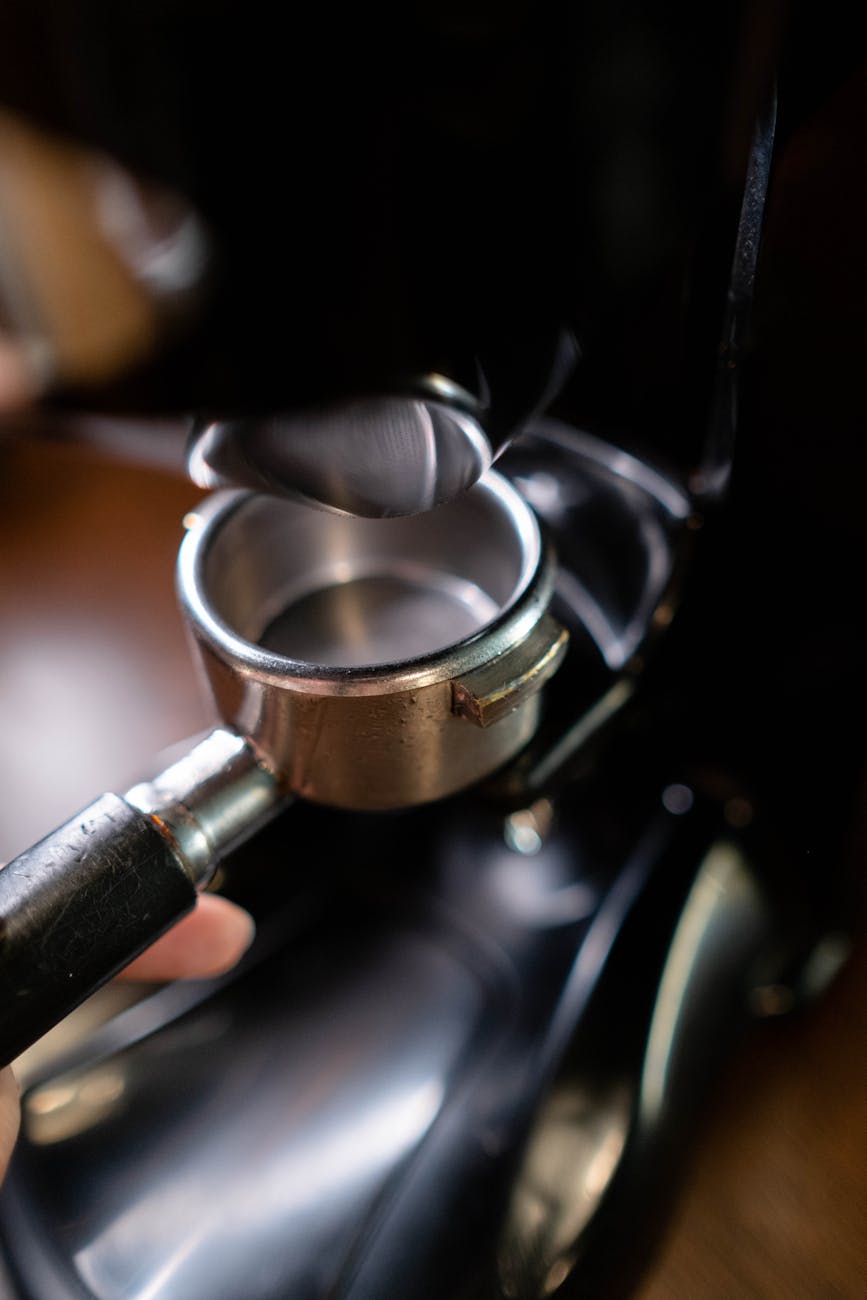
Mastering the shot: The role of resistance and feel in manual pressure profiling
For many coffee enthusiasts, pulling a shot of espresso is a ritual. But for those who venture into the world of manual pressure profiling, it becomes a dynamic conversation. Unlike standard machines that apply a fixed pressure, manual methods allow the barista to manipulate pressure throughout the extraction. This unlocks unparalleled control over flavor, but it requires a deep understanding of the feedback the machine provides. The core of this feedback loop is the interplay between puck resistance and the tactile “feel” it communicates through a lever or flow paddle. This article delves into how interpreting this physical feedback is the key to moving beyond simply making espresso to truly crafting it, shot by shot.
The essence of manual pressure profiling
At its heart, manual pressure profiling is the art of actively controlling the water pressure applied to the coffee puck during the entire espresso extraction process. This stands in stark contrast to most semi-automatic machines, which are designed to deliver a constant, unwavering pressure (typically around 9 bars) from start to finish. The goal of profiling is to influence the flow rate of water through the coffee, thereby managing contact time and extracting specific flavor compounds at different stages of the shot.
This is most commonly achieved with two types of equipment:
- Manual lever machines: These iconic machines provide the most direct connection to the shot. The barista physically pulls a lever, using their own strength to generate and modulate pressure.
- Flow control devices: These can be retrofitted onto popular machine groups (like the E61), allowing the user to adjust a valve or paddle to control the rate of water flow, which in turn affects the brew pressure.
By controlling these variables, a barista can perform long, gentle pre-infusions to saturate the puck evenly, ramp up pressure slowly to avoid channeling, and taper off at the end of the shot to reduce bitterness. But none of this can be done effectively without listening to what the coffee is saying back.
Decoding puck resistance: The source of all feedback
Before we can talk about “feel,” we must first understand its origin: puck resistance. This is the back-pressure created by the compacted bed of ground coffee as water is forced through it. It’s the single most important variable in espresso extraction, and in a manual environment, you can feel it directly. A well-prepared puck will provide smooth, even, and predictable resistance, which is the foundation for a delicious and balanced shot.
Several factors work together to determine the level of resistance:
- Grind size: This is the primary driver. Finer grounds create a more compact puck with less space between particles, resulting in higher resistance and a slower flow rate. Coarser grounds allow water to pass through more easily, lowering resistance.
- Tamping and distribution: An even and level tamp ensures that water flows uniformly through the entire puck. Inconsistent density from poor distribution or an uneven tamp will create weak spots, leading to channeling and a sudden loss of resistance.
- The coffee itself: Different beans, roast levels, and freshness will all behave differently. A light roast, for example, is denser and less soluble, often requiring a finer grind and offering more resistance than a darker, more porous roast.
*Dose: The amount of coffee in the basket also plays a crucial role. A larger dose creates a deeper, more compact coffee bed, which naturally increases resistance.
Understanding how to manipulate these variables is step one. Learning to interpret the resistance they create in real-time is the next leap forward.
The language of feel: Translating resistance into action
The “feel” is how the barista interprets puck resistance through the tactile feedback of the machine’s lever or flow paddle. It is a dynamic, evolving sensation that tells a story about what is happening inside the portafilter second by second. A skilled barista learns to read this story and become an active participant in the extraction, rather than a passive observer.
During a typical manually profiled shot, the feel evolves through distinct phases:
- Pre-infusion: As you introduce water at low pressure, you should feel a gentle, gradual build-up of resistance. The lever will feel soft at first. This tells you the puck is saturating evenly. If you feel resistance build too quickly, your grind might be too fine. If you feel almost nothing, the water is likely flowing through a channel already.
- Ramping to peak pressure: As you apply more force, the resistance should increase in a smooth, linear fashion. It should feel firm and solid, like pushing against a dense sponge. A sudden “give” or mushy feeling during this phase is a clear sign of puck fracturing or channeling.
- Holding pressure: At the target pressure (e.g., 8-9 bars), you should feel a steady, consistent resistance. The flow of espresso should be stable. The lever shouldn’t feel like it’s dropping away from you (a sign of the shot flowing too fast) or require immense force to hold (a sign of the shot choking).
- Tapering off: Towards the end of the shot, as soluble compounds are extracted and the puck’s integrity begins to degrade, you will naturally feel the resistance decrease. This allows you to gently reduce pressure, maintaining a controlled flow rate and avoiding over-extraction.
This continuous feedback loop allows for a level of nuance that is simply impossible with a standard machine.
On-the-fly diagnostics: Using feel to save your shot
The true power of manual profiling lies in the ability to diagnose issues as they happen and adjust on the fly. The tactile feedback from the lever or paddle is your primary diagnostic tool. Instead of just seeing a fast shot and knowing you need to grind finer next time, you can feel why it’s fast and potentially salvage the current extraction.
By paying close attention to the feel, you can identify and react to common extraction problems in real-time. This turns a potential sink shot into a learning experience, and sometimes, even a surprisingly tasty espresso.
| Tactile Feedback (The “Feel”) | Likely Cause | Potential In-Shot Adjustment |
|---|---|---|
| Too little resistance; lever drops fast | Grind is too coarse, dose is too low, or severe channeling from the start. | Immediately reduce pressure to slow the flow. While not ideal, this can reduce astringency from a “gusher.” Note for next shot to grind finer. |
| Too much resistance; machine is choking | Grind is too fine or the dose is too high for the grind setting. | Apply less pressure than intended. Hold at a lower peak pressure (e.g., 6-7 bars) to maintain a slow, steady flow and prevent completely stalling the shot. |
| Sudden drop in resistance mid-shot | The puck has fractured, and a channel has opened up. | Instantly ease off the pressure. This minimizes the amount of water rushing through the channel, reducing the extraction of bitter compounds. |
| Smooth, firm, and consistent resistance | Excellent puck preparation; the grind and dose are well-matched. | This is the goal! Confidently follow your intended pressure profile to craft the perfect shot. |
Ultimately, this responsive approach is what separates good espresso from great espresso. It’s about adapting to the coffee, not forcing the coffee to conform to a rigid set of parameters.
Conclusion
Manual pressure profiling elevates espresso making from a simple procedure to an interactive craft. The key to this craft lies not in fancy gadgets or complex recipes, but in the fundamental connection between the barista and the machine. Puck resistance is the raw data of the extraction, providing a constant stream of information about grind size, distribution, and flow. The “feel” is how a skilled barista translates that data into meaningful, actionable insights. By learning to interpret this tactile language—the firmness of a well-saturated puck, the sudden give of a channel, and the gentle decline as a shot finishes—the barista can diagnose, adjust, and perfect each extraction in real time. This is the essence of manual espresso: a dynamic conversation that unlocks the deepest potential of every coffee bean.

 No products in the cart.