

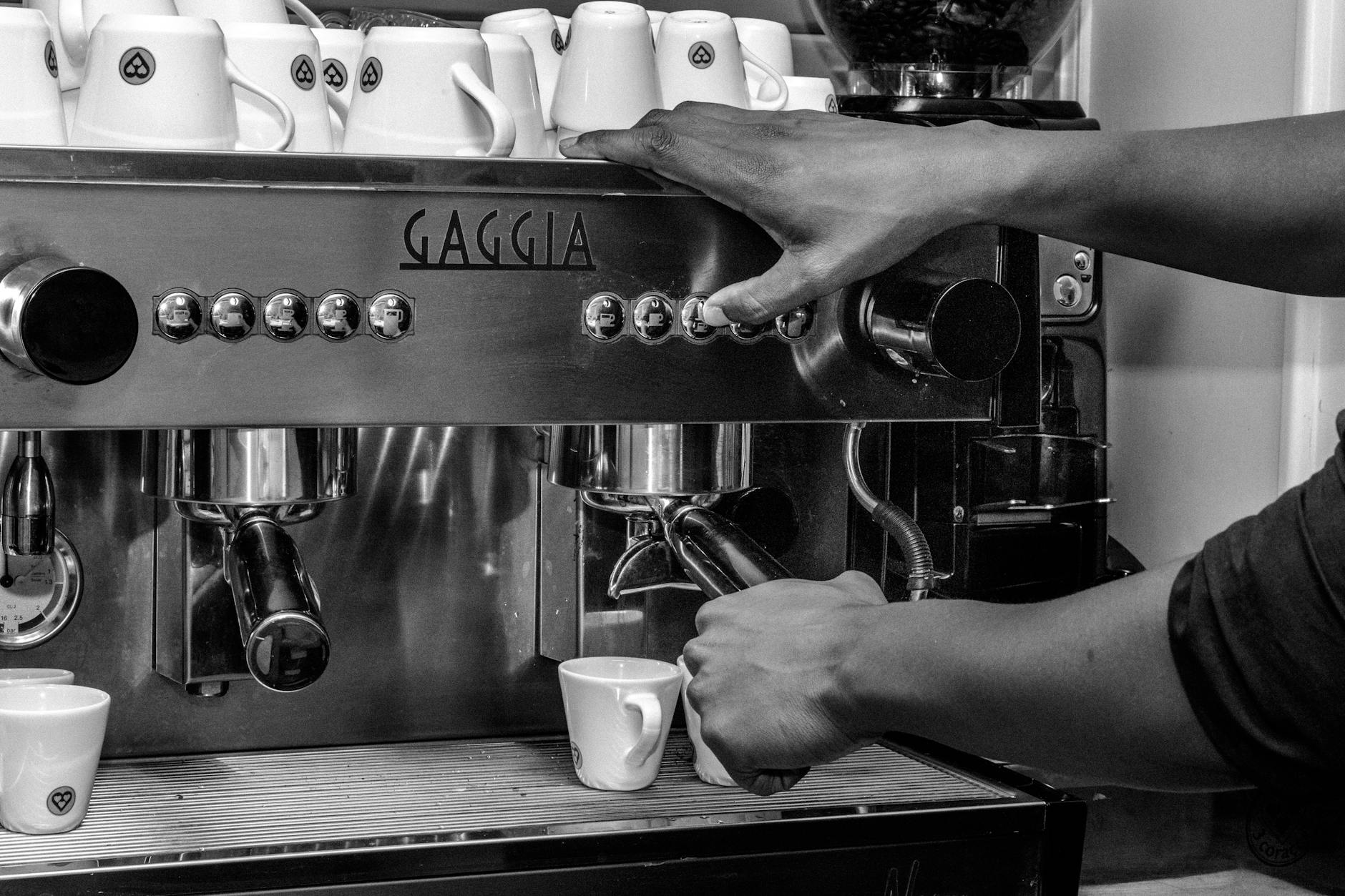
The role of pre-infusion in improving manual espresso shots
The pursuit of the perfect espresso shot is a journey filled with variables, from grind size and dose to tamping pressure and water temperature. For enthusiasts of manual espresso, where every part of the process is under direct control, one technique stands out for its profound impact on quality: pre-infusion. This initial, gentle stage of extraction is more than just a preliminary step; it is the foundation upon which a balanced, flavorful, and consistent shot is built. By understanding and mastering pre-infusion, home baristas can elevate their craft, transforming a potentially good shot into a truly exceptional one. This article will delve into what pre-infusion is, the science behind its effectiveness, its direct impact on flavor, and how you can apply it to your manual espresso routine.
What is pre-infusion in espresso?
At its core, pre-infusion is the process of gently wetting the puck of coffee grounds with low-pressure water before applying the full nine bars (or more) of pressure required for extraction. Think of it as a preparatory phase. Instead of immediately blasting the dry, compacted coffee with high-pressure water, pre-infusion allows the grounds to become fully and evenly saturated first. This initial wetting causes the coffee to swell, releasing trapped gases (like CO2) and settling into a more stable and uniform structure within the portafilter basket.
This technique is especially crucial in manual espresso, where the barista has direct tactile control over water flow. There are generally two approaches to it:
- Passive pre-infusion: This often involves using the static pressure from the boiler or the water line to slowly introduce water to the puck. Some machines achieve this automatically when the brew process starts.
- Active pre-infusion: Common in lever machines and machines with flow control paddles, this method allows the barista to manually control the pressure and duration of this initial phase, offering a much higher degree of precision.
By managing this first contact between water and coffee, you are essentially setting the stage for everything that follows, ensuring the main extraction phase is as uniform as possible.
The science behind better extraction
To appreciate why pre-infusion is so beneficial, we must first understand the primary enemy of a good espresso shot: channeling. Channeling occurs when water finds paths of least resistance through the coffee puck, carving tiny rivers or “channels” instead of flowing evenly through the entire bed of grounds. This leads to a disastrously uneven extraction. The coffee in the path of a channel becomes over-extracted, lending bitter and astringent flavors, while the surrounding, denser areas are under-extracted, contributing sour, underdeveloped notes. The result is a shot that is simultaneously bitter and sour, lacking sweetness and complexity.
Pre-infusion is the most effective weapon against channeling. When the puck is gently saturated with low-pressure water, a few key things happen:
- Puck expansion: The coffee grounds swell as they absorb water, filling in any micro-cracks or less dense areas that may have been created during dosing and tamping. This creates a more homogenous, resistant puck.
- Reduced resistance shock: Hitting a dry puck with nine bars of pressure can fracture its structure, creating instant channels. A gentle pre-infusion prepares the puck to withstand the high pressure of the main extraction, maintaining its integrity.
- Even saturation: It ensures that the entire puck is wet before high-pressure extraction begins, promoting a uniform flow of water from top to bottom.
By creating a stable, uniformly saturated puck, pre-infusion forces the water to work its way through the entire coffee bed during extraction, leading to a much more even and complete dissolution of flavor compounds.
How pre-infusion impacts flavor
The technical benefits of preventing channeling translate directly and dramatically to the taste of your espresso. A well-executed pre-infusion doesn’t just make your shot more consistent; it fundamentally changes its flavor profile for the better. A shot pulled with proper pre-infusion will be noticeably more balanced. The harsh edges of bitterness and sourness are smoothed away, allowing the true character of the coffee to shine through.
This leads to a significant increase in perceived sweetness and body. Even extraction allows for the optimal dissolution of sugars and oils from the coffee grounds, resulting in a cup that is sweeter, richer, and has a more viscous, syrupy texture. The crema is often thicker and more persistent as well. Furthermore, pre-infusion is essential for unlocking the nuanced flavors of modern, lighter-roast specialty coffees. These beans are denser and less porous, making them more prone to channeling. A longer pre-infusion gives the water time to penetrate these dense grounds, extracting the delicate floral, fruity, and acidic notes that make these coffees so prized, without introducing astringency.
Applying pre-infusion with manual machines
One of the great joys of manual espresso is the direct control over pre-infusion. While the specific technique varies by machine, the goal is the same: saturate the puck at low pressure until the first drops of espresso appear at the bottom of the basket.
On a spring-lever machine, this is often achieved by lifting the lever part-way or all the way, allowing water from the boiler to enter the brew chamber and saturate the puck under low line or boiler pressure. The barista decides how long to hold the lever in this position before letting the spring take over. On a direct-lever machine like a Flair or Robot, the user manually applies light pressure to start the flow of water before ramping up to full extraction pressure.
A good starting point for pre-infusion time is between 7 and 12 seconds at a low pressure of 1-3 bars. Watch the bottom of your naked portafilter. The moment the entire bottom of the basket shows even droplets of espresso, you have achieved full saturation and can begin to ramp up to your target extraction pressure. Adjusting the time based on the coffee is key.
| Coffee roast level | Recommended pre-infusion | Expected flavor impact |
|---|---|---|
| Light roast | 10-15 seconds | Increases clarity, brightens acidity, and brings out delicate fruit notes. |
| Medium roast | 7-12 seconds | Balances sweetness and body, creating a round and complete shot. |
| Dark roast | 5-8 seconds | Tames potential bitterness and enhances rich, chocolatey notes and body. |
Experimentation is your best tool. A slightly longer pre-infusion might bring out more sweetness in a medium roast, while a shorter one might preserve the robust body of a dark roast. Pay attention to the taste in the cup and adjust accordingly.
Conclusion
In the world of manual espresso, pre-infusion is far from an optional flourish; it is a foundational technique for achieving excellence. By gently and evenly saturating the coffee puck with low-pressure water before extraction, you are directly combating channeling, the primary cause of flawed shots. This simple but critical step ensures a more uniform extraction, which translates into a tangible improvement in flavor. The result is an espresso that is more balanced, sweeter, and more complex, with a richer body and less of the unwanted bitterness or sourness that plague uneven extractions. For any barista seeking to unlock the full potential of their coffee beans and manual machine, mastering pre-infusion is not just a recommendation; it is an essential part of the craft.
 No products in the cart.