

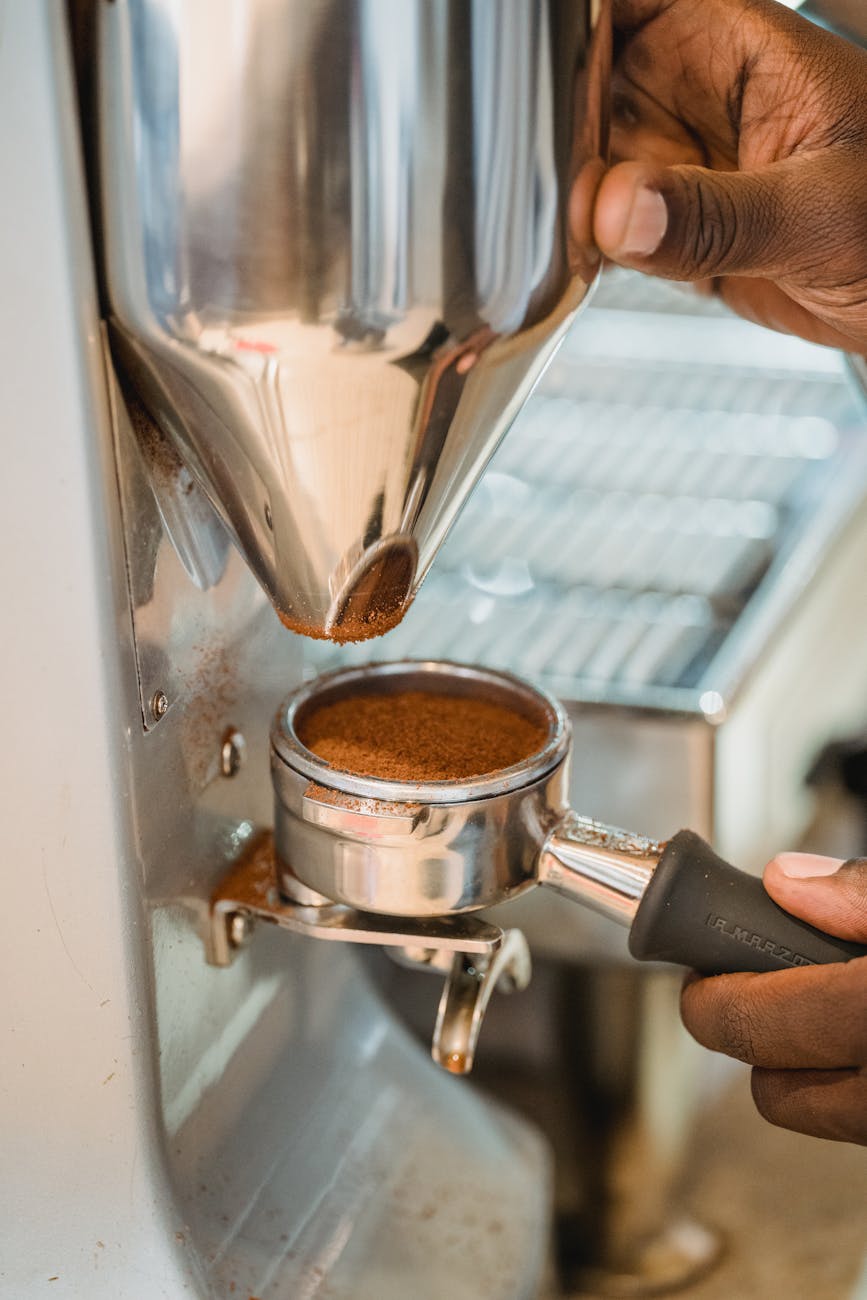
The subtle dance between espresso basket size and brew temperature
In the meticulous world of specialty coffee, the pursuit of the perfect espresso shot is a journey of controlling variables. We obsess over grind size, dose, yield, and time. Yet, a crucial factor that often flies under the radar is the intricate relationship between the size of your espresso basket and the stability of your brew temperature. This isn’t just a matter of fitting more or less coffee into your portafilter. The physical mass of the basket and the coffee it holds directly influences the thermal dynamics of extraction. Understanding this connection can be the key to unlocking a new level of consistency and flavor in your espresso, moving beyond generic recipes to a more intuitive and precise brewing process.
The physics of heat in your portafilter
Before we can connect basket size to temperature, we must first understand a fundamental concept: thermal mass. In simple terms, thermal mass is the ability of a material to absorb, store, and release heat. An object with a high thermal mass, like a thick ceramic mug, takes longer to heat up but also stays hot for a longer period. Conversely, an object with low thermal mass, like a thin paper cup, heats up instantly but also loses that heat just as quickly.
In espresso, your group head, portafilter, and basket all possess thermal mass. The goal of preheating is to saturate these components with heat so they don’t steal it from the brew water. When hot water from your machine’s boiler hits a cold portafilter, its temperature plummets, leading to a sour, under-extracted shot. A stable system is one where the water temperature set on the machine is as close as possible to the temperature of the water that actually hits the coffee grounds. The basket plays a pivotal role in this thermal equation.
How basket size changes the thermal equation
An espresso basket’s size is not just about its diameter but also its depth, which dictates the dose it can hold. A larger, 22-gram basket is physically made of more metal than a smaller, 15-gram basket. This increased amount of steel gives it a significantly higher thermal mass. This has a two-sided effect on temperature stability.
On one hand, once a larger basket is thoroughly preheated, its greater thermal mass acts as a powerful heat reservoir. It can better resist temperature fluctuations during the 25-30 second extraction, providing a more stable thermal environment for the coffee puck. This can lead to a more even and complete extraction.
On the other hand, this same high thermal mass makes it a more formidable heat sink if it isn’t properly preheated. A lukewarm 22-gram basket will absorb much more heat from the initial rush of brew water than a lukewarm 15-gram basket, causing a dramatic temperature drop right at the most critical phase of extraction. Therefore, the larger the basket you use, the more critical your preheating routine becomes.
Don’t forget the coffee puck itself
The thermal influence doesn’t stop with the metal basket; the dose of coffee grounds inside it is an equally important part of the system. Coffee grounds, at room temperature, are significantly cooler than your target brew water. A larger dose of coffee—say, 21 grams versus 17 grams—creates a larger thermal mass that the water must heat up before extraction can properly begin.
This means that even with a perfectly preheated portafilter and basket, using a larger dose will inherently cause a greater initial temperature drop as the water first saturates the puck. This is a common reason why baristas often need to adjust their machine’s set temperature when they change basket sizes. Moving from an 18-gram to a 22-gram basket might require increasing the boiler temperature by 1-2°C (or 2-4°F) just to achieve the same effective temperature at the puck and replicate a specific flavor profile.
Practical adjustments for the modern barista
So, how do you apply this knowledge to your daily coffee routine? It’s about being intentional with your equipment and adaptable in your technique. When you switch between different basket sizes, you are fundamentally changing the thermal properties of your brewing system. This requires a corresponding adjustment in your workflow.
- Intensify your preheating: When using larger baskets (20g and up), your preheating routine must be flawless. Ensure your portafilter is locked into the group head for an extended period. A quick flush of water through the locked-in, empty portafilter right before dosing is essential to stabilize the basket’s temperature.
- Adjust your brew temperature: Don’t assume the same machine setting will work for all basket sizes. If you’re tasting signs of under-extraction (sourness, lack of sweetness) after moving to a larger basket, a slight increase in your machine’s temperature may be the solution.
- Strive for consistency: For the most consistent results, try to stick to one basket size during a single session. If you must switch, be prepared to re-dial your parameters, including your brew temperature, not just your grind size.
This table provides a general guide for how to think about these adjustments:
| Basket Size (Dose) | Relative Thermal Mass | Preheating Importance | Potential Temp. Adjustment |
|---|---|---|---|
| Small (14-16g) | Low | High | Baseline |
| Medium (17-20g) | Medium | Very High | Consider +0.5-1°C |
| Large (21-25g) | High | Critical | Consider +1-2°C |
Conclusion
The size of your espresso basket is far more than a simple container for coffee grounds; it is an active thermal component in the brewing process. We’ve seen that larger baskets, due to their greater mass of both metal and coffee, present a unique thermal challenge. While they can offer superior temperature stability once heated, they demand a more rigorous preheating protocol and can cause a significant initial temperature drop at the puck. This often necessitates a compensatory increase in the machine’s set temperature to achieve the desired extraction. By understanding and respecting this relationship, you can move from chasing a “magic number” on your machine’s display to truly managing the thermal environment where flavor is born, ensuring every shot is as delicious and consistent as the last.

 No products in the cart.