

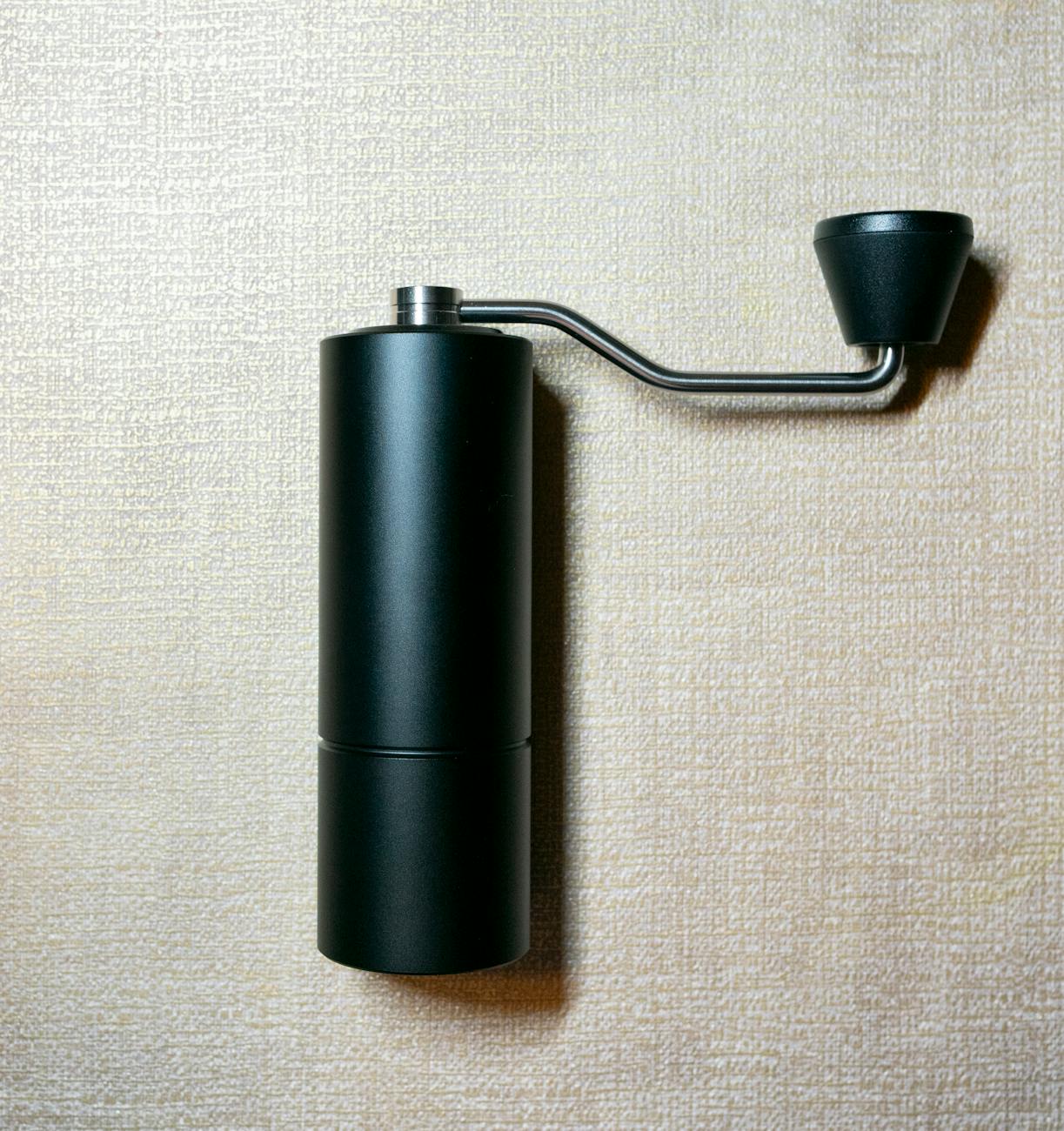
Stepless vs stepped grinders: which is best for dialing in espresso?
For anyone serious about espresso, the grinder is often considered more important than the espresso machine itself. It’s the tool that unlocks the potential hidden within your coffee beans. At the heart of the grinder debate lies a fundamental choice: should you go with a stepped or a stepless model? This decision directly impacts your ability to “dial in” a shot, the meticulous process of adjusting grind size to achieve a perfect extraction. While stepped grinders offer simplicity and repeatability with predefined settings, stepless grinders provide infinite micro-adjustments for the ultimate precision. This article will delve into the pros and cons of each system, helping you understand the nuances and decide which grinder is the right partner for your espresso journey.
Understanding the crucial role of grind size in espresso
Before we compare the two types of grinders, it’s essential to understand why grind size is the most critical variable in making espresso. When you pull a shot, hot water is forced through a tightly packed puck of coffee grounds under high pressure. The size of these grounds determines the resistance the water encounters. If the grind is too coarse, the water will rush through too quickly, resulting in a thin, sour, and under-extracted shot. If the grind is too fine, the water will struggle to pass through, leading to a slow, bitter, and over-extracted shot.
This is where dialing in comes into play. It’s the process of fine-tuning your grind setting to achieve a target recipe, typically a specific yield (e.g., 36 grams of liquid espresso) in a specific time (e.g., 25-30 seconds). Every new bag of beans, and even changes in humidity or the age of the beans, will require you to adjust your grind. The grinder’s ability to make these adjustments—subtle or significant—is what separates a good espresso from a truly exceptional one.
The stepped grinder: precision with guardrails
A stepped grinder operates with a series of fixed, interlocking settings or “clicks.” When you adjust the grind, you are moving from one distinct step to another. These grinders can range from having only a few steps to over a hundred, with more expensive “micro-stepped” models offering smaller increments between each click.
The advantages of a stepped system are clear:
- Ease of use: The numbered settings make it incredibly simple to operate. You can easily remember that your espresso setting is “8” and your pour-over setting is “22.” This makes it a fantastic choice for beginners.
- Repeatability: Returning to a previous setting is foolproof. This is a huge benefit if you frequently switch between different brewing methods, as you can jump between your perfect espresso and French press settings without any guesswork.
- Consistency: Each click locks into place, ensuring there’s no drift or accidental movement of the burrs during grinding.
However, the primary drawback is what happens when the perfect grind size lies between two clicks. You might find that setting 7 produces a shot that’s too fast (e.g., 22 seconds) while setting 6 produces one that’s too slow (e.g., 35 seconds). You’re stuck without a middle ground. While you can compensate by adjusting your coffee dose or tamping pressure, you are no longer controlling the primary variable, which can be a source of immense frustration for those seeking perfection.
The stepless grinder: the pursuit of infinite control
As the name suggests, a stepless grinder does not have any pre-defined settings. It typically uses a worm gear or a similar mechanism that allows for a smooth, continuous adjustment of the burrs. This means you have a virtually infinite number of grind settings between the finest and coarsest points.
This level of control is why espresso purists often prefer stepless models:
- Ultimate precision: If your shot is running a second too fast, you can make an infinitesimally small adjustment to correct it. This precision is unmatched and allows you to perfectly dial in any coffee bean to its fullest potential.
- Perfect dialing in: A stepless grinder empowers you to nail your desired shot time and yield with pinpoint accuracy. It removes the “in-between” problem entirely, putting you in complete control of the extraction.
- Adaptability: This fine control is invaluable for adapting to aging beans or slight changes in your environment, allowing you to maintain a consistent, high-quality shot day after day.
Of course, this freedom comes with its own challenges. The lack of fixed markers means it’s harder to return to a previous setting. If you adjust the grind for a different brew method, finding your way back to that exact espresso setting can be difficult without marking the collar yourself. This requires a more intuitive feel and a steeper learning curve, and stepless grinders often carry a higher price tag due to their more complex mechanics.
Making your choice: a head-to-head comparison
The decision between a stepped and stepless grinder ultimately comes down to your priorities, your budget, and how deep you want to dive into the espresso hobby. One is not inherently better than the other; they simply serve different types of users. A home barista who enjoys both espresso and drip coffee might prefer the convenience of a stepped grinder, while an espresso-only enthusiast will likely gravitate towards the precision of a stepless model.
To help you decide, here is a direct comparison of their key attributes:
| Feature | Stepped Grinder | Stepless Grinder |
|---|---|---|
| Adjustment precision | Limited to predefined steps. Can be frustrating if the ideal grind is between two clicks. | Infinite. Allows for tiny micro-adjustments to perfectly nail the extraction. |
| Ease of use | Very high. Simple to understand and operate, making it great for beginners. | Moderate. Requires a learning curve to master and feel comfortable with. |
| Repeatability | Excellent. Easy to switch between brew methods and return to the exact same setting. | Challenging. Difficult to return to a previous setting without adding your own markers. |
| Ideal user | Beginners, users who switch brew methods, those who prioritize convenience. | Dedicated espresso enthusiasts, professionals, and hobbyists seeking ultimate control. |
| Price point | Generally more affordable. | Often more expensive due to more complex engineering. |
Conclusion: precision or practicality?
The debate between stepped and stepless grinders boils down to a classic trade-off: practicality versus perfection. Stepped grinders offer a straightforward, highly repeatable, and user-friendly experience, making them an excellent choice for those new to espresso or for anyone who values convenience and the flexibility to switch between brewing styles. Their main limitation is the potential inability to make the tiny adjustments needed for a flawless extraction. On the other hand, stepless grinders provide the absolute precision required for true espresso mastery. They empower the user to dial in any bean with unparalleled control, but this comes at the cost of a steeper learning curve and less convenient repeatability. Ultimately, the right grinder is a personal choice that should align with your goals, budget, and passion for the craft.
 No products in the cart.