

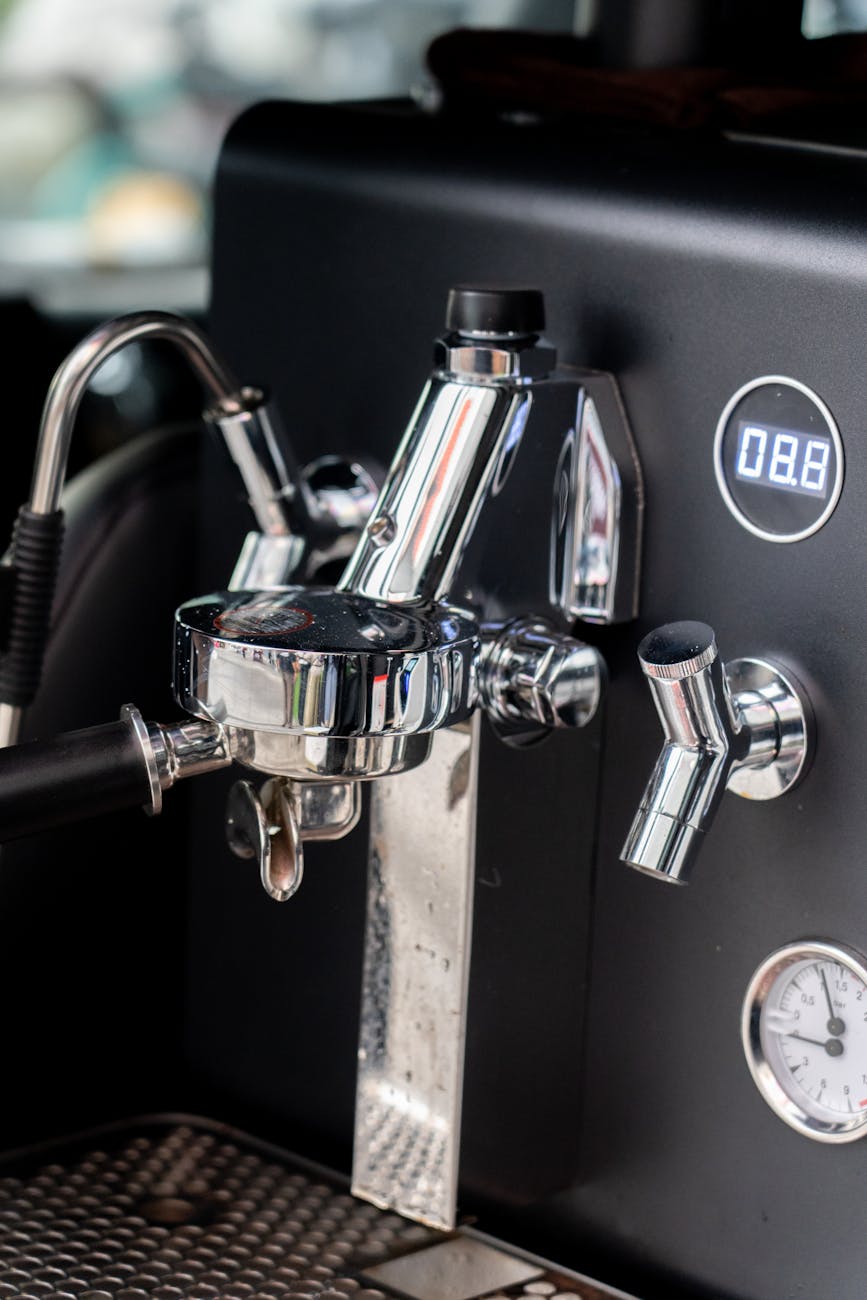
The learning curve: What to expect when switching to manual espresso
The allure of manual espresso is undeniable. It promises ultimate control, a deep connection to the coffee-making ritual, and a cup of espresso that can rival your favorite specialty cafe. But making the leap from a push-button automatic or even a semi-automatic machine to a fully manual lever machine is a significant step. It’s less of an equipment upgrade and more of an adoption of a new craft. This article will guide you through the learning curve, preparing you for the initial challenges, the essential variables you’ll need to master, and the incredible rewards that await. If you’re ready to trade convenience for control and transform your morning coffee into a mindful practice, read on.
Embracing the initial challenge: The first few weeks
Your first few weeks with a manual espresso machine will be a lesson in humility. Unlike semi-automatic machines that manage pressure and temperature for you, a manual machine puts every variable squarely in your hands. The machine doesn’t make the espresso; you do. This newfound responsibility can be daunting, and it’s perfectly normal to feel frustrated. Expect to produce a fair number of “sink shots”—espressos that are so far from drinkable they go straight down the drain. This is not a failure; it’s the cost of tuition in the school of espresso.
Common early mistakes include:
- Sour shots: Often a result of pulling the shot too quickly (under-extraction) due to a coarse grind, or using water that isn’t hot enough.
- Bitter shots: The opposite problem, typically caused by a grind that is too fine, leading to a slow, choked shot (over-extraction).
- Channeling: You’ll see spurts of watery espresso jetting out from the portafilter. This happens when water finds a path of least resistance through the coffee puck, leading to uneven extraction. This is usually caused by poor puck preparation.
Remember that every bad shot is a data point. Instead of getting discouraged, ask yourself what went wrong and change one variable for the next attempt. This methodical approach is the key to moving past the initial hurdles.
Mastering the core variables: Your new obsession
Success with manual espresso hinges on understanding and controlling a handful of critical variables. Consistency is your goal. Your mission is to perform the same precise actions every single time, only changing one variable at a time when you are “dialing in” a new coffee. This is where the craft truly begins.
The key elements you now control are:
- Dose: This is the weight of your ground coffee. A scale with 0.1-gram accuracy is non-negotiable. A typical dose for a double espresso is between 16-20 grams. Keeping your dose consistent is the foundation of a repeatable recipe.
- Grind size: This is arguably the most important variable. Your grinder is more important than your machine. A fine adjustment to the grind size can be the difference between a shot that gushes out in 10 seconds and one that chokes the machine completely. The goal is to find the grind size that allows for the desired extraction time with the pressure you apply.
- Puck preparation: This involves distributing the grounds evenly in the portafilter and tamping with consistent, level pressure. Poor distribution creates channels. Use a Weiss Distribution Technique (WDT) tool to break up clumps and a calibrated tamper to ensure you apply the same pressure every time.
- Pressure profiling: This is the magic of lever machines. You manually control the pressure applied to the coffee puck throughout the entire shot. A typical profile involves a gentle, low-pressure pre-infusion (saturating the puck), followed by ramping up to full pressure (around 6-9 bars), and then potentially tapering off the pressure as the shot finishes. Manipulating this profile directly changes the body, sweetness, and acidity of your espresso.
The essential toolkit: Gearing up for success
While the manual machine is the star, the supporting cast of tools is what enables you to achieve consistency and diagnose problems. Attempting to learn manual espresso without the right accessories is like trying to paint a masterpiece with a toothbrush. You might get there, but it will be an unnecessarily frustrating journey. Investing in a few key items will dramatically shorten your learning curve and improve your results.
Here’s a breakdown of the must-have tools:
| Tool | Why it’s essential |
|---|---|
| High-quality burr grinder | Provides the fine, consistent grind and micro-adjustments necessary for espresso. This is not an area to save money on. |
| Precision scale (0.1g) | Measures your dose (beans in) and yield (espresso out) for repeatable recipes. A built-in timer is a bonus. |
| Bottomless portafilter | A diagnostic tool that exposes the bottom of the basket, allowing you to see your extraction in real-time and identify channeling. |
| WDT tool | A simple tool with fine needles used to break up clumps in the ground coffee, ensuring even density and preventing channeling. |
| Well-fitting tamper | Creates a level and uniformly compressed coffee puck. A calibrated tamper that clicks at a set pressure can help build consistency. |
The reward: Beyond a better cup of coffee
After weeks of practice, something magical happens. The frustrating sink shots become fewer and farther between. You start to intuitively understand how a small change in grind size will affect the flow rate. You can feel the right resistance as you pull the lever. This is when the true reward of manual espresso reveals itself. The control that was once a source of stress becomes a source of creativity. You can now pull a shot that is soft, sweet, and syrupy from a light roast, or rich and heavy from a dark roast, all by manipulating the variables yourself.
The payoff isn’t just in the cup. The process itself becomes a cherished ritual—a quiet, focused moment in your day. There’s a profound satisfaction in mastering a hands-on skill and creating something exceptional with simple elements: coffee, water, and pressure. Furthermore, the mechanical simplicity of most manual machines means they are built to last a lifetime, with fewer electronic components to fail. The struggle of the learning curve ultimately forges a deeper connection to your coffee and a skill that will bring you joy for years to come.
Conclusion
Switching to manual espresso is a journey, not a destination. It begins with a steep and often frustrating learning curve, where inconsistent results and wasted coffee are part of the process. However, by focusing on mastering the core variables of dose, grind, and pressure, and by equipping yourself with the proper tools like a precision scale and a quality grinder, you can systematically overcome these challenges. The process demands patience and a methodical mindset, but the rewards are immense. You gain unparalleled control over your coffee, allowing you to tailor every single shot to perfection. More than just a superior beverage, manual espresso offers a deeply satisfying, hands-on ritual that transforms a daily routine into a lifelong craft.
 No products in the cart.