

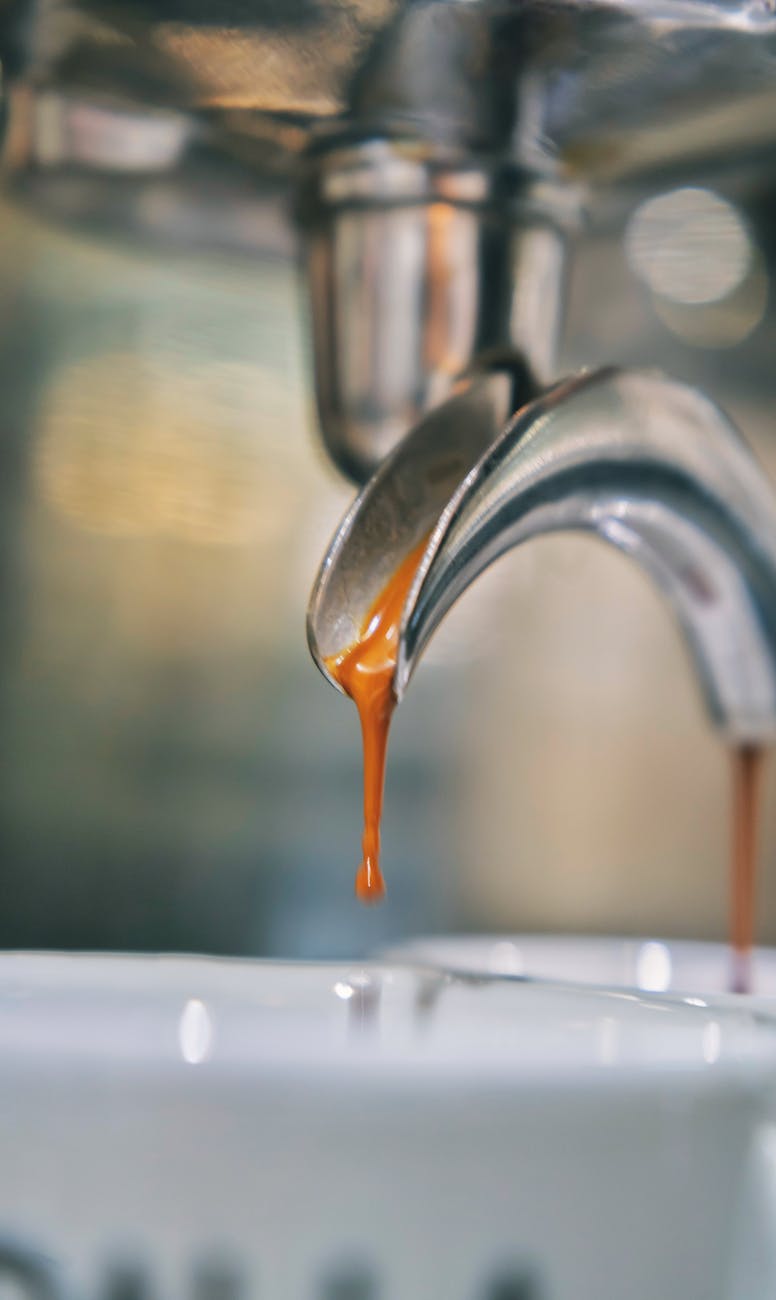
Protect your investment: why filtered water is key to espresso machine longevity
An espresso machine is more than just an appliance; for many, it’s the heart of the morning ritual and a significant financial investment. You’ve chosen the perfect beans and dialed in your grind, but there’s a silent factor that could be undermining both your machine’s health and your coffee’s flavor: your water. Straight from the tap, water carries a host of dissolved minerals and chemicals that can wreak havoc on the intricate internal components of your machine. This article will explore why using filtered water is not just a recommendation but an essential practice for any espresso machine owner. We’ll delve into the science of limescale, its destructive effects, and how the right water can elevate your espresso from good to truly exceptional.
The hidden threat in your tap water
To understand the danger, you first need to understand your water. While tap water is safe to drink, it’s far from pure H₂O. It contains a variety of Total Dissolved Solids (TDS), which are essentially minerals and salts. The most problematic for espresso machines are calcium and magnesium. The concentration of these minerals determines your water’s “hardness.” The higher the concentration, the harder the water.
When this hard water is heated inside your espresso machine’s boiler and pipes, a chemical reaction occurs. The dissolved minerals precipitate out of the water and form a hard, chalky deposit known as limescale. Think of it like the white buildup you see inside an old kettle, but now imagine it forming inside the narrow tubes, valves, and heating elements of your sophisticated machine. Other elements, like chlorine, which is added to municipal water for disinfection, don’t harm the machine but can create a noticeable off-taste in your coffee.
Limescale: the silent machine killer
Limescale is the number one enemy of any appliance that heats water, and espresso machines are particularly vulnerable. Its buildup is a slow, cumulative process that causes a cascade of problems before you even notice a major issue. Here’s exactly how it does its damage:
- Reduced efficiency and component failure: Limescale acts as an insulator. When it coats a heating element, the element has to work much harder and for longer to bring the water up to temperature. This not only increases energy consumption but also puts immense strain on the component, leading to premature failure.
- Clogs and blockages: The water pathways inside an espresso machine are incredibly narrow. Limescale can easily clog the group head, solenoid valves, and flow meters, leading to reduced water flow, inconsistent pressure, and ultimately, a complete blockage that requires costly professional servicing.
- Inconsistent espresso: Temperature and pressure stability are the keys to a great shot of espresso. As limescale builds up, it disrupts the machine’s ability to maintain a consistent temperature and pressure profile, leading to shots that are sour, bitter, and unpredictable. Your perfectly dialed-in recipe will no longer work.
Simply put, limescale forces your machine to work harder, less effectively, and shortens its operational life significantly. Descaling can help, but it’s a reactive treatment, and frequent descaling with harsh chemicals can also take a toll on internal seals and metal components over time. Prevention is always better than a cure.
Beyond longevity: how water impacts your coffee’s taste
While protecting your machine is the primary goal, the benefits of good water extend directly to the cup. Coffee is, after all, over 98% water. The mineral content and chemical composition of that water play a huge role in flavor extraction.
If you use water that is too soft or demineralized (like distilled or some reverse osmosis water), your coffee can taste flat, sour, and uninteresting. This is because a certain amount of mineral content, specifically magnesium and calcium, is necessary to bond with the flavor compounds in the coffee grounds and extract them effectively.
Conversely, if your water is too hard, it can lead to over-extraction, resulting in a dull, chalky, and bitter brew. The high mineral content buffers the delicate acids in high-quality coffee, muting its vibrant and complex flavors. The ideal water for coffee, as defined by the Specialty Coffee Association (SCA), has a specific mineral balance—one that is almost impossible to find straight from the tap. Filtering and conditioning your water allows you to get much closer to this ideal standard.
Choosing your water filtration solution
Fortunately, there are many ways to treat your water, with options available for every budget and machine type. The first step is to test your water’s hardness using simple test strips or a TDS meter. Once you know what you’re dealing with, you can choose the right solution.
Here’s a comparison of common water filtration methods:
| Filtration method | Effectiveness on hardness | Effectiveness on taste (chlorine) | Initial cost | Ongoing cost |
|---|---|---|---|---|
| Filter pitcher | Low | High | Low | Moderate (filters) |
| In-tank softener pouch | Moderate-High | Low | Low | Moderate (pouches) |
| Activated carbon filter | None | High | Low-Moderate | Low (cartridges) |
| Ion-exchange system | High | Variable | Moderate-High | Moderate (resin) |
| Reverse osmosis (RO) | Very High | Very High | High | Moderate (filters) |
A quick note: For home users with moderately hard water, a combination of an activated carbon filter (like a Brita) to improve taste and an in-tank softener pouch is an excellent and affordable starting point. For those with very hard water or plumbed-in machines, a dedicated ion-exchange softening system is a worthwhile investment. If you choose a reverse osmosis system, remember that you may need to add a re-mineralization cartridge to achieve the best flavor extraction.
Conclusion
To wrap things up, the water you use is arguably the most critical and overlooked ingredient in your daily espresso. We’ve seen how untreated tap water, rich in minerals like calcium and magnesium, directly leads to the formation of destructive limescale. This buildup clogs your machine, strains its heating elements, and ultimately shortens its lifespan, resulting in inconsistent performance and expensive repairs. Beyond the mechanics, contaminants like chlorine drastically affect the final taste in your cup. Making a conscious choice to use filtered or properly treated water is the single best step you can take. It’s a small, proactive measure that protects your investment, ensures consistent performance, and unlocks the true flavor potential of your coffee beans.

 No products in the cart.