

The importance of portafilter temperature for consistent brewing results
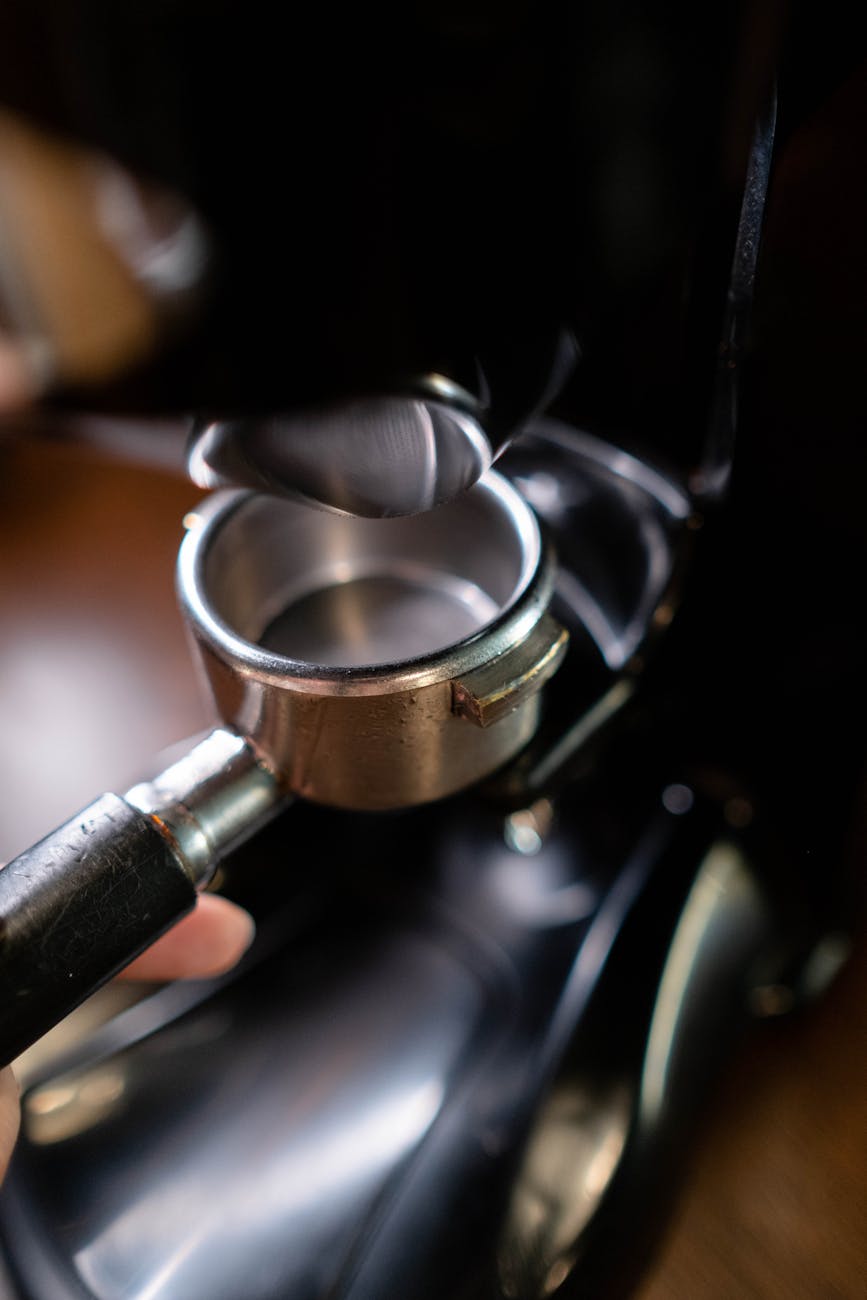
In the passionate pursuit of the perfect espresso shot, baristas meticulously control countless variables. We obsess over the freshness of the beans, the precision of the grind, the weight of the dose, and the pressure of the tamp. We dial in our machines to ensure the brew water is at the exact right temperature. Yet, a critical factor is often overlooked: the temperature of the portafilter itself. This heavy piece of metal is the first thing your carefully prepared coffee grounds come into contact with, and if it’s cold, it can ruin a shot before the first drop even falls. This article will delve into why managing your portafilter’s temperature is not just a pro-level tweak but a fundamental step toward achieving true consistency and unlocking the full potential of your coffee.
The science of thermal stability
At its core, espresso extraction is a delicate process of thermal transfer. Hot water flows through the coffee grounds, dissolving soluble compounds that create the complex flavors and aromas we love. The key to a great extraction is stability. You want the water temperature to be as stable as possible from the moment it hits the coffee until the shot is finished. A cold portafilter is the enemy of this stability. Think of that large mass of brass or stainless steel as a heat sink. When 93°C (200°F) water hits a room temperature portafilter, the metal immediately absorbs a significant amount of thermal energy. This causes a drastic temperature drop right at the beginning of the extraction process, the very moment when proper heat is most crucial for dissolving the desirable flavor compounds.
How a cold portafilter impacts your espresso
The immediate consequence of this heat loss is under-extraction. The water passing through the coffee puck is no longer at the optimal temperature, especially in the first few seconds of brewing. This results in a shot that is noticeably sour, thin-bodied, and lacking the sweetness and complexity you’re aiming for. You might taste a sharp, acidic brightness without the rich caramel or chocolate notes to balance it out. Furthermore, it introduces a massive variable of inconsistency. Your first shot of the day, made with a cold portafilter, will taste drastically different from your second or third, after the portafilter has been warmed by previous extractions. This makes it impossible to “dial in” your coffee properly. You might adjust your grind finer to compensate for the sourness, only to find your next, now-warmer shot is choked and bitter. You end up chasing a moving target, all because of an unstable starting temperature.
| Starting portafilter temp | Brew water temp | Effective temp at puck | Expected taste profile |
|---|---|---|---|
| 25°C / 77°F (Room temp) | 93°C / 200°F | Drops to ~85°C / 185°F | Sour, weak, under-extracted, thin crema |
| 60°C / 140°F (Warm) | 93°C / 200°F | Drops to ~90°C / 194°F | Better, but still lacking depth and sweetness |
| 90°C / 194°F (Pre-heated) | 93°C / 200°F | Stays near ~92°C / 198°F | Balanced, sweet, optimal extraction, rich crema |
Simple techniques for proper temperature management
Fortunately, managing your portafilter temperature is one of the easiest habits to adopt. The best and most common practice is to always keep the portafilter locked into the group head when not in use. The group head is designed to maintain a stable, hot temperature, and by keeping the portafilter in place, you allow it to heat up and stabilize at the correct temperature for brewing. This is standard procedure in any professional cafe.
If you’re starting your machine from cold, or if the portafilter has been sitting on the counter, you need to pre-heat it. Simply lock the empty portafilter into the group head and run a “flush” of hot water through it for 5-10 seconds. Then, remove it, wipe it dry, dose your coffee, and brew immediately. This quick flush rapidly brings the metal up to temperature, ensuring it won’t steal heat from your brew water. This simple, two-second step eliminates one of the biggest sources of inconsistency in home espresso.
Conclusion
While the world of espresso is filled with complex theories and expensive gadgets, mastering portafilter temperature is a simple, no-cost change that yields dramatic improvements. A cold portafilter acts as a heat sink, robbing your brew water of its thermal energy at the most critical moment, leading to sour, under-extracted, and inconsistent shots. By adopting the simple habit of keeping your portafilter locked into a heated group head or flushing it with hot water before every use, you eliminate this huge variable. This allows you to dial in your coffee with confidence, knowing that your brew temperature is stable. It’s a foundational technique that separates frustrating inconsistency from the satisfying ritual of pulling a perfect, repeatable shot of espresso every single time.


 No products in the cart.