

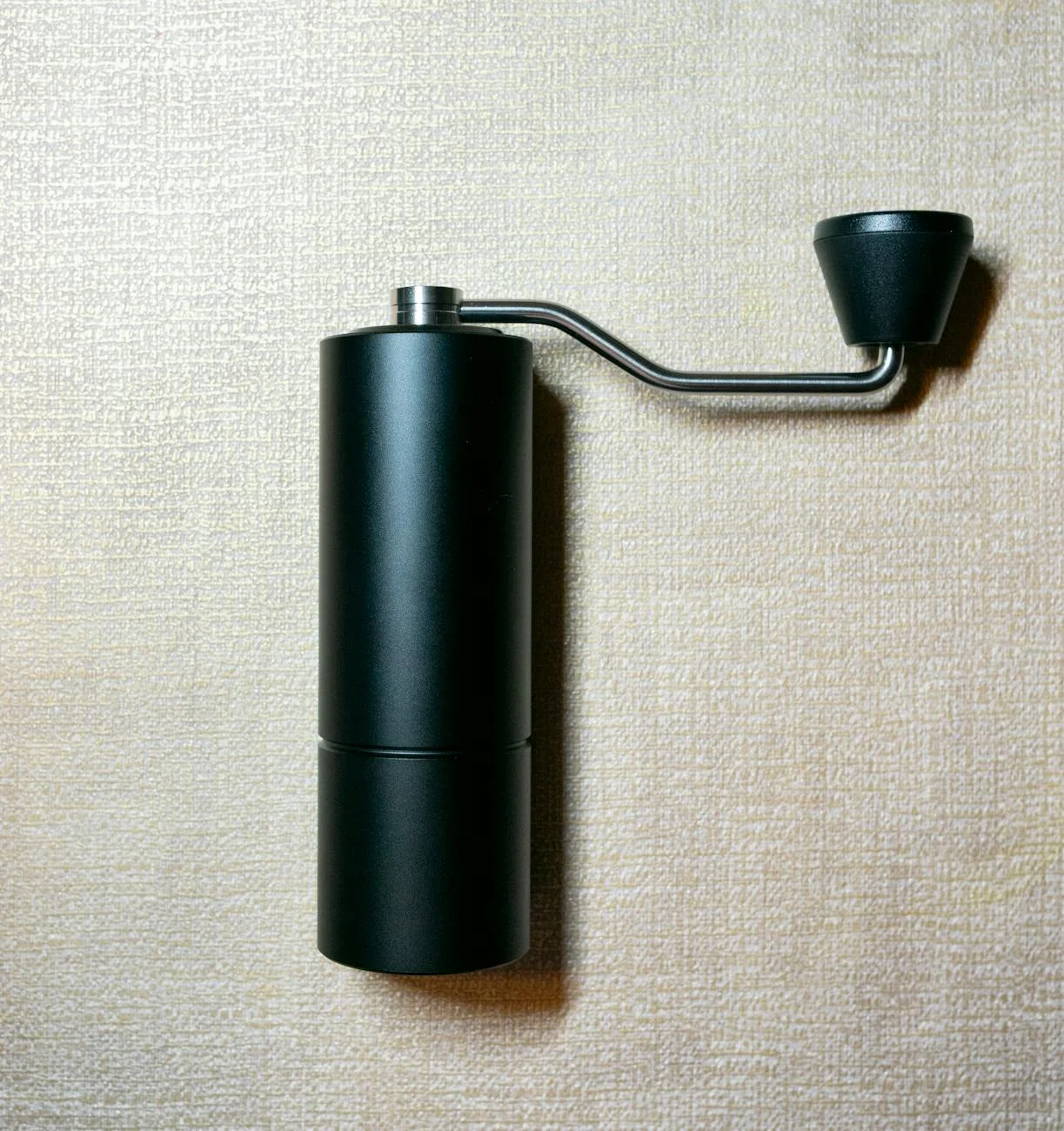
For any home barista on the quest for the perfect cup, the journey often leads to a single, critical piece of equipment: the coffee grinder. While burr type and grind size adjustment are frequently discussed, a feature that has a profound impact on daily coffee quality is grind retention. A low retention grinder is designed to minimize the amount of coffee grounds left inside after grinding, ensuring what goes into your portafilter is as fresh as the beans you just measured. This article will explore why minimizing this retention is not just a minor detail for enthusiasts but a fundamental step towards achieving café-quality coffee at home, enhancing freshness, reducing waste, and unlocking a new level of consistency in your brewing routine.
What is grind retention and why does it matter?
Grind retention refers to the amount of ground coffee that remains trapped within the grinder’s internal mechanism—in the burr chamber, chute, and exit path—after a grinding cycle is complete. In a high-retention grinder, several grams of coffee can be left behind. This might not seem significant, but its effect on your next cup is huge. The coffee grounds left behind immediately begin to go stale through oxidation, losing their delicate aromatic compounds and developing off-flavors.
When you grind your next dose, these old, stale grounds are pushed out first and mix with the fresh grounds. The result is a coffee brew that is a blend of fresh and stale coffee, which compromises the flavor profile you paid for. It can introduce bitterness, mute the vibrant acidity of a light roast, or flatten the rich chocolatey notes of an espresso blend. Essentially, high retention sabotages your efforts to use fresh, high-quality beans by contaminating every shot with remnants of the past.
The path to ultimate freshness: single dosing
The concept of low retention is perfectly paired with a workflow known as single dosing. This is the practice of weighing out the exact amount of beans needed for a single drink (e.g., 18 grams for a double espresso) and grinding only that dose. Traditional grinders with large hoppers are not designed for this; they rely on the weight of the beans in the hopper to feed the burrs consistently, and they inherently have high retention.
Low retention grinders, however, excel at this. Because they are designed to output nearly everything that goes in, you can be confident that the 18 grams of grounds you collect are the same 18 grams of fresh beans you just put in. This workflow guarantees unparalleled freshness for every single cup. There is no mixing of old and new grounds. Every brew benefits from the full potential of the coffee bean, with its volatile aromas and complex flavors perfectly preserved right up to the moment of extraction.
Consistency and reducing waste
Beyond freshness, low retention grinders offer two major practical advantages: improved consistency and significantly less waste. When you are dialing in a new coffee for espresso, consistency is key. High retention grinders create a variable you can’t control; the amount of stale grounds being exchanged with fresh grounds can fluctuate, leading to unpredictable shot times and flavors. By eliminating this variable, a low retention grinder provides a much more stable output, making it easier to make small, precise adjustments and achieve repeatable, delicious results.
Furthermore, this consistency saves you coffee and money. To combat the problem of stale grounds, users of high-retention grinders often have to “purge” a few grams of coffee before grinding their actual dose. This purging involves grinding and discarding coffee simply to clear out the old remnants. Over a year, this wasted coffee adds up. Low retention grinders make purging almost entirely unnecessary, ensuring every expensive bean you buy ends up in your cup, not in the bin.
| Feature | High Retention Grinder | Low Retention Grinder |
|---|---|---|
| Typical Workflow | Hopper-fed (beans stored in grinder) | Single dosing (weigh beans per drink) |
| Grounds Freshness | Mix of fresh and stale grounds | Virtually 100% fresh grounds every time |
| Coffee Waste | Requires purging (wasting 2-5g per session) | Minimal to no purging required |
| Switching Beans | Difficult; requires significant purging/cleaning | Easy; minimal cross-contamination of flavors |
| Dial-in Consistency | Less predictable due to stale grounds exchange | Highly consistent and repeatable results |
Exploring different coffees with ease
For the home barista who loves to experiment, a low retention grinder is a gateway to exploration. One of the biggest frustrations with a traditional grinder is the difficulty of switching between different coffee beans. If you want to make a decaf espresso after your morning caffeinated one, or switch from a dark roast for espresso to a light roast for a pour-over, a high retention grinder makes it a chore. You would need to empty the hopper and purge a large amount of coffee to clear out the old grounds and avoid tainting the flavor of the new beans.
With a low retention model, this process is effortless. Since very little coffee is left inside, you can simply switch from one bean to another with confidence. This freedom allows you to maintain a library of different coffees and choose the perfect one for any moment, without the hassle of a deep clean or wasting precious beans. It encourages curiosity and makes the hobby of specialty coffee more dynamic and enjoyable.
In summary, the move towards a low retention grinder is one of the most impactful upgrades a home barista can make. It is about taking full control over the freshness and integrity of your coffee. By eliminating the issue of stale, trapped grounds, you unlock a new level of flavor clarity and shot-to-shot consistency that is simply unattainable with older, high-retention designs. The benefits go beyond just taste; the single-dosing workflow reduces waste, saves money on specialty beans, and provides the flexibility to explore a world of different coffees without compromise. It’s an investment not just in a machine, but in the quality and enjoyment of every single cup you brew.
 No products in the cart.