

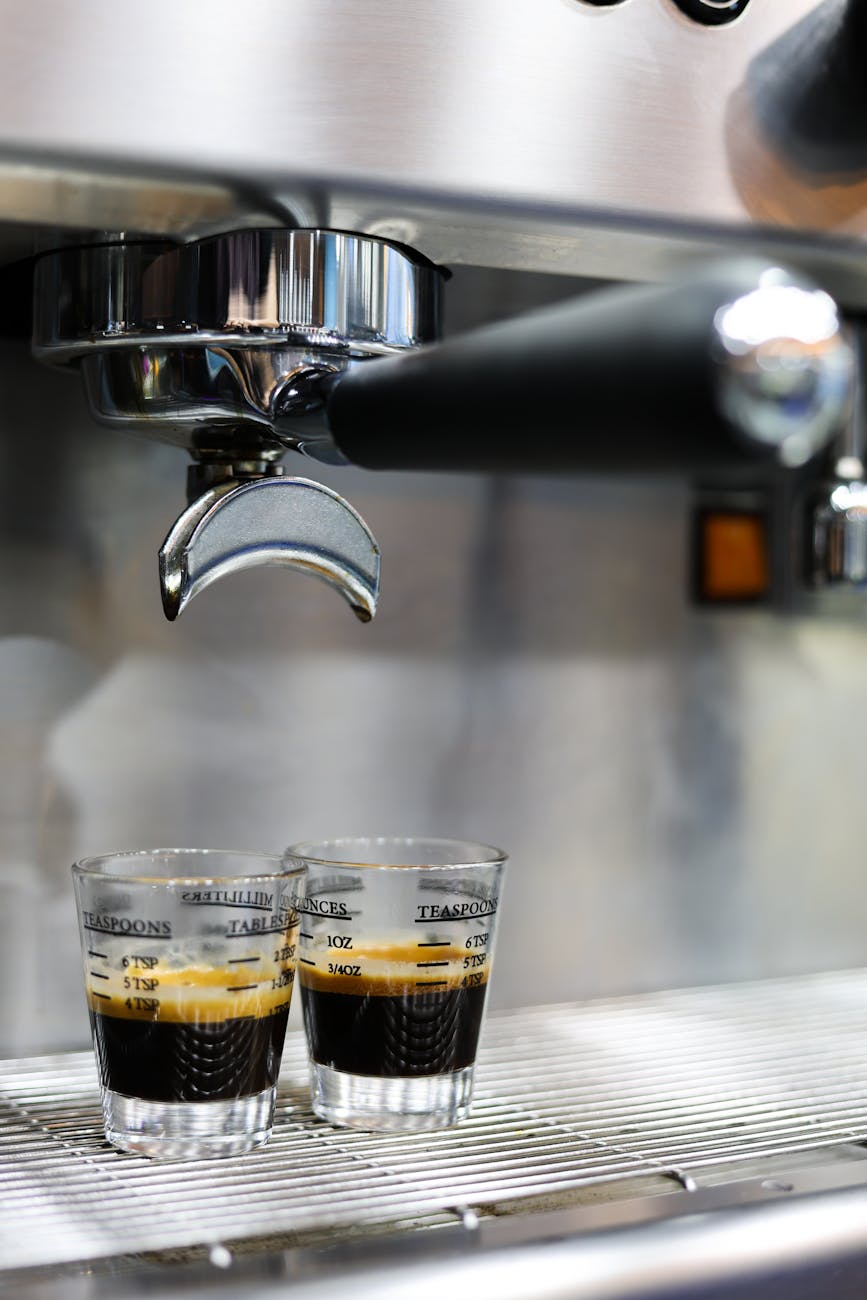
The impact of water quality on Gaggia Classic espresso extraction outcomes
The Gaggia Classic is an icon in the world of home espresso, celebrated for its robust build and ability to produce cafe-quality shots. Owners obsess over the finest details, from sourcing specialty beans and perfecting their grind size to mastering tamping techniques. Yet, one of the most critical ingredients is often an afterthought: water. Making up over 98% of your final espresso shot, water is not merely a solvent but an active participant in extraction. The wrong water chemistry can mute the most exquisite coffee beans, while also silently damaging your machine’s internal components. This article explores the profound impact of water quality on both the taste of your espresso and the long-term health of your Gaggia Classic.
The science behind water for coffee
To understand why water matters so much, we need to look beyond its simple H2O formula. The water flowing from your tap contains a variety of minerals and compounds, collectively measured as Total Dissolved Solids (TDS). For espresso, the two most important components are mineral hardness (primarily calcium and magnesium) and alkalinity (carbonate and bicarbonate levels, which act as a buffer).
The Specialty Coffee Association (SCA) provides a target standard for water, which serves as an excellent benchmark:
- TDS: 75-250 ppm (parts per million), with a target of 150 ppm.
- Calcium Hardness: 51-68 ppm.
- Alkalinity: Around 40 ppm.
- pH: 6.5 to 7.5.
Why do these minerals matter? Magnesium and calcium are crucial for extraction. They act like magnets, bonding to and pulling desirable flavour compounds—such as fruity acids and sweet caramels—from the ground coffee. Without them, your water is an ineffective solvent. Alkalinity, on the other hand, acts as a buffer against acidity. A moderate amount helps to balance the bright, acidic notes in coffee, but too much will neutralize them entirely, resulting in a flat and uninteresting taste.
How your water shapes the taste in the cup
The mineral content of your water directly translates to the flavour profile of your espresso shot. It’s a delicate balancing act where slight variations can lead to dramatically different results.
Extremely hard water, rich in calcium and magnesium, can lead to over-extraction. While some minerals are good, an excess can pull out too much from the coffee grounds, including unwanted bitter and astringent compounds. This often results in a shot that tastes chalky or harsh, masking the nuanced flavours of the bean. The high buffering capacity of hard water also neutralizes the delicate acidity, making a bright, citrusy Ethiopian coffee taste dull and muddy.
Conversely, using soft water or distilled water is equally problematic. Lacking the necessary calcium and magnesium ions, this water struggles to extract the coffee’s soluble solids. The result is an under-extracted shot that is weak, thin-bodied, and often aggressively sour. It tastes empty because the water simply couldn’t grab onto the sugars and complex flavour compounds that create a balanced espresso.
Think of it this way: the right water composition allows the unique character of your coffee beans to shine, while the wrong water either bulldozes over those flavours or fails to unlock them in the first place.
Limescale: The Gaggia Classic’s silent killer
Beyond taste, using hard water poses a significant threat to the health and performance of your Gaggia Classic. When water rich in calcium and magnesium is heated inside the machine’s boiler, it forms calcium carbonate, commonly known as limescale. This hard, crusty deposit is more than just an aesthetic issue; it’s a machine killer.
Limescale wreaks havoc in several key areas:
- The Boiler: It coats the heating element, acting as an insulator. This forces the machine to work harder to reach and maintain brewing temperature, leading to poor energy efficiency and, more importantly, temperature instability. Unstable temperatures are a primary cause of inconsistent and poor-tasting shots.
- The Three-Way Solenoid Valve: This critical component releases pressure from the portafilter after a shot, leaving a dry puck. Limescale can easily clog its narrow internal passages, causing it to fail. Symptoms include a soupy, wet puck and water dripping constantly from the group head.
- Water Pathways: Scale can build up in the copper pipes and block the tiny holes of the shower screen, causing uneven water distribution over the coffee puck. This leads to channeling—where water punches a hole through the puck instead of saturating it evenly—resulting in a shot that is simultaneously sour and bitter.
Regular descaling is essential, but preventing scale buildup in the first place by using properly treated water is a far better and more effective long-term strategy.
Finding the right water solution for your machine
Fortunately, achieving optimal water for your Gaggia Classic is entirely manageable. The first step is to understand what you’re starting with. Simple and inexpensive water test strips can give you a good idea of your tap water’s hardness and alkalinity.
Once you know your baseline, you can choose a solution:
- In-Tank Water Softeners: These are small pouches or filters that sit directly in your Gaggia’s water tank. They use an ion-exchange resin to swap calcium and magnesium ions for sodium ions, effectively softening the water and preventing scale. This is a simple and highly effective option.
- Filtered Pitchers: Standard carbon filters (like Brita) are great for removing chlorine and improving the general taste of water, but they do very little to reduce hardness. They are better than straight tap water but are not a complete solution for scale prevention.
- DIY Water Recipes: For the ultimate control, many enthusiasts create their own water. This involves starting with a base of distilled or reverse osmosis (RO) water and adding specific mineral concentrates (such as Third Wave Water or Perfect Coffee Water) to achieve the ideal SCA-recommended composition.
- Bottled Water: Using bottled spring water can be a viable option, but it requires research. You must check the water analysis report on the bottle or the manufacturer’s website to ensure the mineral content is within the desired range. Brands can vary significantly.
Water option comparison table
| Water Type | Pros | Cons |
|---|---|---|
| Hard Tap Water | Convenient, inexpensive | Causes severe limescale, mutes flavour, creates bitter espresso |
| Filtered (Carbon) | Removes chlorine, improves taste | Does not significantly reduce hardness; poor scale prevention |
| In-Tank Softener | Excellent scale prevention, simple to use, improves taste | Requires periodic replacement |
| DIY Mineralized Water | Ultimate control over flavour, perfect mineral content | Requires effort, upfront cost for minerals and distilled water |
| Distilled/RO Water | Prevents all scale | Produces sour, weak espresso; can be corrosive to metal components |
Conclusion
For the dedicated Gaggia Classic owner, treating water as a key ingredient is the final step towards achieving espresso perfection. The mineral content of your water is not a trivial detail; it is the very foundation of your extraction, dictating whether your shot will be balanced and flavourful or sour and bitter. Furthermore, using properly softened and filtered water is the single best preventative maintenance you can perform, safeguarding your machine’s boiler, solenoid, and internal pathways from the destructive effects of limescale. By testing your tap water and implementing a simple solution—be it an in-tank softener or a custom mineral blend—you elevate your coffee and protect your investment, ensuring your Gaggia Classic continues to produce delicious espresso for years to come.

 No products in the cart.