

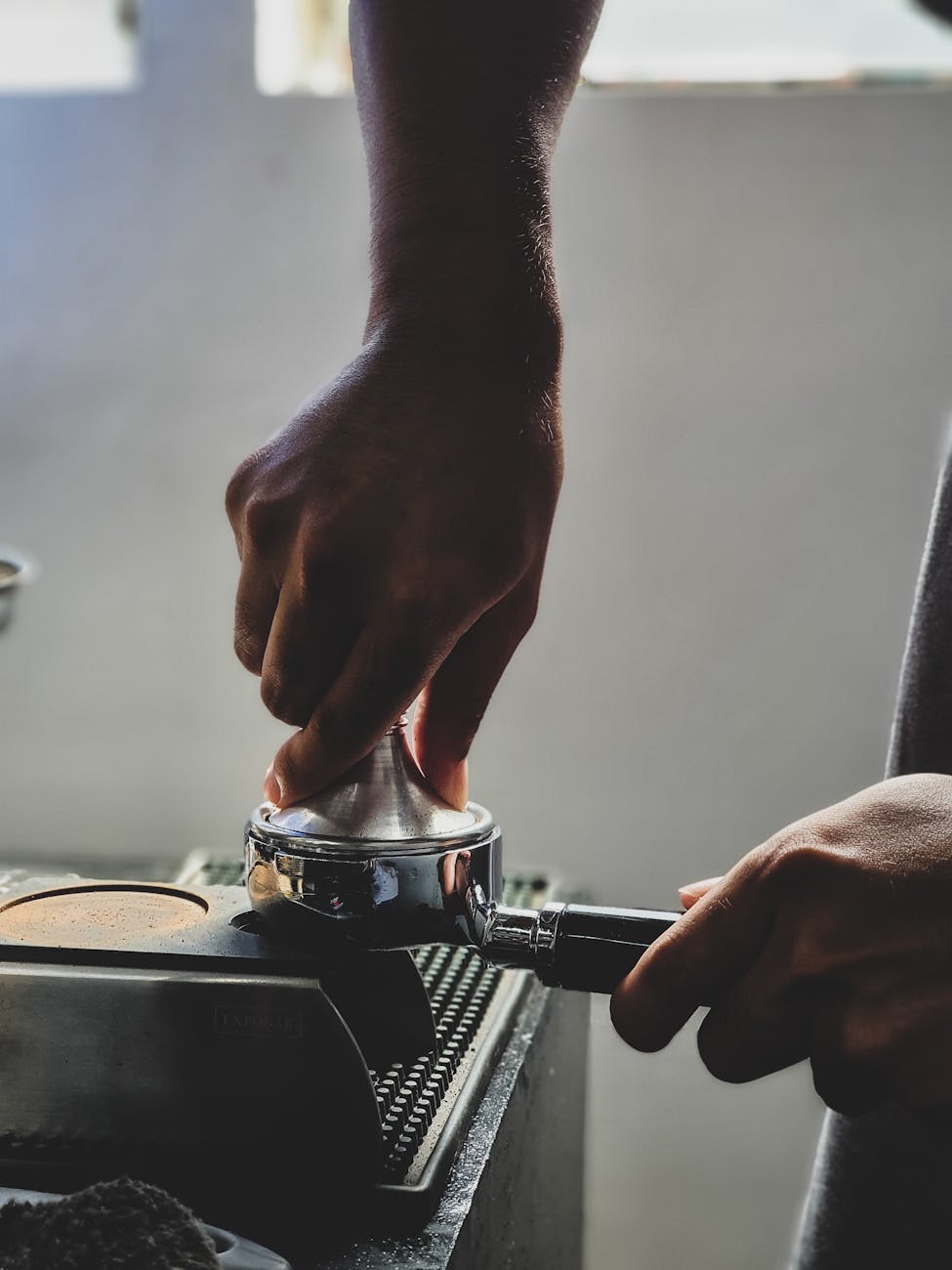
The pursuit of the perfect espresso shot is a journey filled with variables. We obsess over grind size, water temperature, and brew ratios, yet often overlook a critical detail: the fit of our tamper. That beautiful, even-looking coffee puck can be deceiving, hiding a flaw that leads to a disappointingly sour or bitter cup. This flaw is often edge channeling, a common issue where water bypasses the main coffee bed by flowing down the sides of the filter basket. This article will delve into the significant impact of tamper diameter on espresso extraction, exploring how a simple mismatch of a fraction of a millimeter can be the hidden culprit behind inconsistent shots and how choosing the right tool is essential for achieving a truly balanced and delicious espresso.
What is espresso edge channeling?
Before we can fix a problem, we must understand it. In espresso, channeling occurs when water finds a path of least resistance through the coffee puck instead of flowing evenly through the entire bed. This creates a scenario where some parts of the coffee are over-extracted, lending bitter and harsh notes, while other parts are under-extracted, resulting in a sour, weak flavor. The final cup is an unbalanced mix of both, lacking the sweetness and complexity we strive for.
Edge channeling is a specific and incredibly common form of this issue. It happens when water flows rapidly down the space between the compacted coffee puck and the metal wall of the filter basket. This is often invisible to the naked eye, especially without a bottomless portafilter. The primary cause is an improperly prepared puck, and the most frequent culprit is a tamper that is too small for the basket, leaving a less-compacted ring of coffee grounds around the perimeter—a perfect expressway for water to bypass the main puck.
The problem with the 58mm standard
For decades, the “industry standard” tamper size has been 58mm. This was a suitable, if imperfect, fit for the traditional filter baskets of the past. However, the world of specialty coffee has evolved, and with it, the precision of our equipment. Modern, high-performance filter baskets from brands like VST and IMS are manufactured to much tighter tolerances. While they are often marketed as “58mm baskets,” their actual internal diameter is typically larger, ranging from 58.5mm to as wide as 59mm.
When you use a standard 58mm tamper in a 58.7mm VST basket, you leave a 0.35mm gap around the entire circumference. This may sound minuscule, but it’s more than enough to create that loose, under-compacted ring of coffee. During extraction, the pressurized water hits the puck and immediately seeks out this weak point. Instead of saturating the puck evenly, a significant portion of the water rushes down the sides, leading directly to the unbalanced flavors of edge channeling. This mismatch explains why many baristas can follow every step of their routine perfectly and still pull a flawed shot.
The precision tamper as the solution
The solution to the gap problem is a precision, or snug-fit, tamper. These tools are machined to specific diameters like 58.35mm, 58.5mm, or 58.55mm to correspond with the true inner diameters of modern filter baskets. By closing the gap between the tamper and the basket wall, a precision tamper ensures that the entire surface of the coffee, from the center to the absolute edge, is compressed with uniform pressure.
This complete and even compaction eliminates the path of least resistance. Water is forced to permeate the puck uniformly, ensuring a much more even extraction across the entire coffee bed. The result is a more consistent, balanced, and forgiving espresso shot. The incidence of channeling drops dramatically, allowing the true flavors of the coffee bean to shine through. Upgrading from a standard, loose-fitting tamper to a precision one that fits your basket is one of the most impactful changes a barista can make to their workflow, often yielding more immediate and noticeable improvements than far more expensive equipment upgrades.
How to choose the right tamper for your basket
Selecting the correct tamper is not about your machine or portafilter; it’s entirely dependent on the specific filter basket you use. Getting the right fit is a simple process of matching your basket’s inner diameter with the appropriate tamper size.
First, identify your basket. Precision baskets from manufacturers like VST or IMS often have their recommended tamper size printed on their packaging or product page. If you are using a stock basket or are unsure, the most accurate method is to measure the inner diameter yourself using a set of digital calipers. For a snug fit that won’t create a vacuum or get stuck (a phenomenon known as binding), you should choose a tamper that is approximately 0.1mm to 0.4mm smaller than your basket’s measured diameter.
Here is a general guide to common basket and tamper pairings:
| Basket Manufacturer | Common Inner Diameter | Recommended Tamper Diameter |
|---|---|---|
| VST Precision Baskets | 58.70mm – 58.80mm | 58.50mm or 58.55mm |
| IMS Precision Baskets | 58.60mm – 58.70mm | 58.40mm or 58.50mm |
| La Marzocco (Stock) | ~58.60mm | 58.40mm |
| Standard E61 (Stock) | ~58.40mm | 58.00mm or 58.35mm |
Note: These are general recommendations. Always measure your specific basket for the most accurate fit.
In conclusion, the relationship between tamper diameter and edge channeling is direct and undeniable. A simple mismatch can systematically undermine your espresso-making efforts, leading to inconsistent and flawed extractions. While a standard 58mm tamper might be adequate for older, less precise baskets, it falls short in the modern era of specialty coffee equipment. The gap it leaves creates a surefire path for edge channeling, ruining potential for a balanced shot. By investing in a precision tamper that is accurately sized for your specific filter basket, you ensure complete and even compaction of the coffee puck. This simple upgrade is a powerful step toward eliminating channeling, improving shot-to-shot consistency, and unlocking the full flavor potential of your coffee beans.


 No products in the cart.