

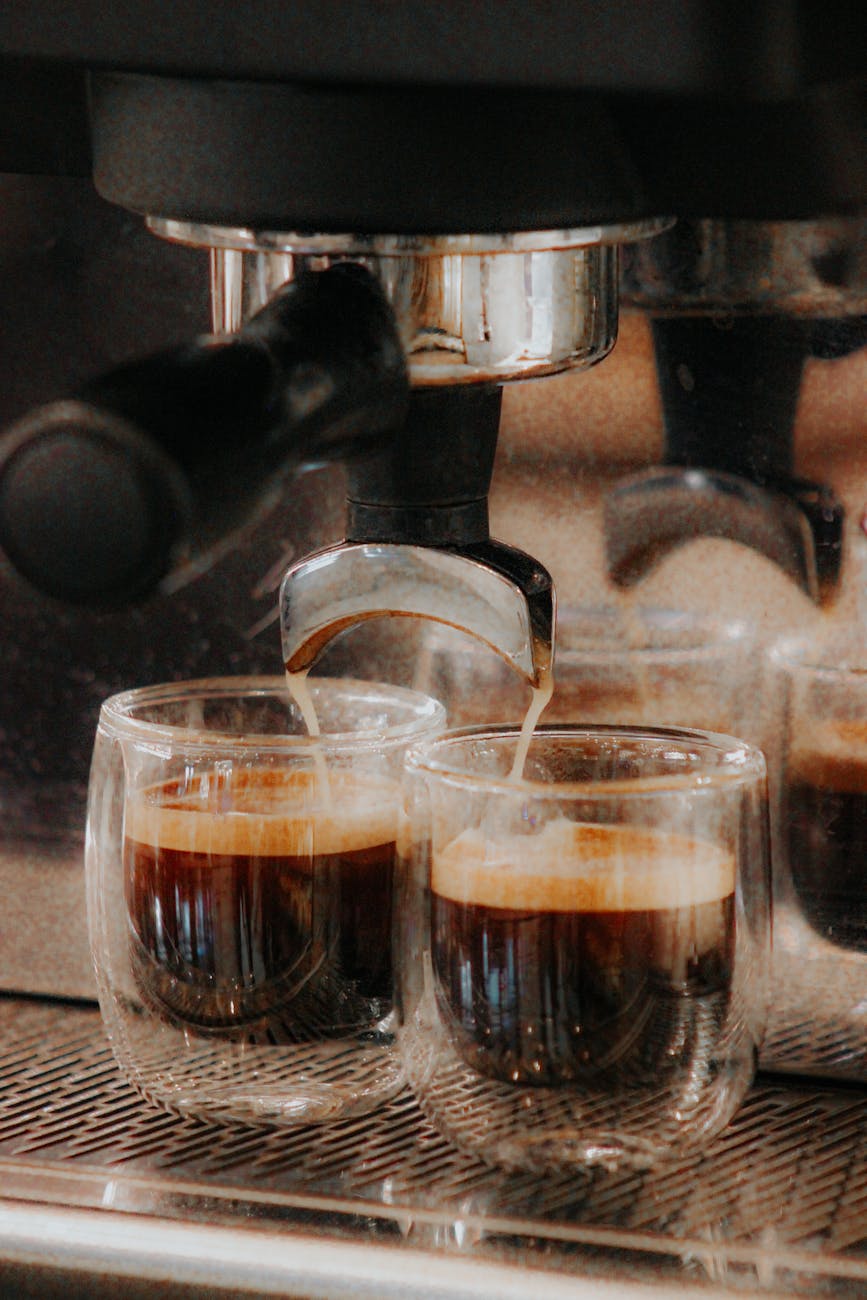
The pursuit of the perfect espresso shot is a journey familiar to every coffee enthusiast. We obsess over grinders, machines, and tamping techniques, but one of the most crucial variables is often overlooked: the roast date. That beautiful, reddish-brown foam blanketing the surface of your espresso, known as crema, is the hallmark of a well-extracted shot. It contributes to the aroma, flavor, and velvety mouthfeel of the coffee. But why does crema quality vary so much? The answer is deeply tied to the freshness of the beans. This article will explore the direct and powerful impact of the coffee’s roast date on crema quality, demystifying the science of degassing and providing a clear timeline for achieving that perfect, luscious layer.
The science of crema and carbon dioxide
Before we can understand the impact of time, we must first understand what crema is. It is not just a layer of bubbles. Crema is a complex and delicate emulsion of microscopic coffee oils, suspended coffee solids, and, most importantly, carbon dioxide (CO2). This CO2 is a natural byproduct of the coffee roasting process. As green coffee beans are heated, complex chemical reactions occur, breaking down sugars and amino acids, which creates a significant amount of gases, primarily CO2, that become trapped within the bean’s cellular structure. When you pull an espresso shot, the hot, high-pressure water forces these trapped gases out of the coffee grounds. The CO2 saturates the liquid and, upon returning to normal atmospheric pressure in the cup, forms the thousands of tiny, stable bubbles that create the foam we call crema.
The degassing process: A race against time
Once the roasting process is complete, the beans immediately begin to release this trapped CO2 in a process called degassing. This is the crucial link between the roast date and your final cup. The amount of available CO2 directly correlates to the potential for crema production. This process is not instantaneous; it happens over a period of days and weeks. If you use beans that are too fresh, they will contain an excessive amount of CO2. This aggressive release of gas can interfere with the extraction itself, repelling water and causing channeling, which leads to a sour, under-extracted shot. The resulting crema might be voluminous and bubbly, but it will be pale and dissipate very quickly. Conversely, if the beans are too old, they will have lost most of their CO2, leaving little gas to create crema, resulting in a thin, weak layer or no crema at all.
Finding the sweet spot: The optimal window for espresso
Understanding the degassing curve allows us to identify the optimal window for pulling the best espresso shots. This period is when the CO2 levels are perfect; enough gas has been released to allow for a clean, even extraction, but enough remains to produce a rich, stable, and aromatic crema. While this window can vary slightly based on the coffee’s origin, processing method, and roast level, a general timeline serves as an excellent guide for home baristas. The goal is to catch the beans at their peak, where flavor complexity and crema quality are in perfect harmony.
Here is a simplified breakdown of what to expect from your coffee based on its age:
| Time Since Roast Date | CO2 Level | Typical Crema Quality | Flavor Profile |
|---|---|---|---|
| 1-3 Days | Very High | Voluminous, large bubbles, unstable | Sour, gassy, under-extracted |
| 4-14 Days | Optimal | Rich, persistent, velvety, fine bubbles | Balanced, sweet, and complex |
| 15-21 Days | Declining | Thinner and less persistent | Beginning to taste flat or less vibrant |
| 21+ Days | Very Low | Thin, pale, or non-existent | Flat, stale, and oxidized |
As the table illustrates, the sweet spot for most espresso beans falls between 4 and 14 days after the roast date. This is when you will experience that desirable crema with a fine texture and beautiful “tiger striping,” along with a well-balanced and flavorful shot.
Beyond the roast date: Other contributing factors
While the roast date is a primary driver of crema quality, it is important to remember that it is part of a larger ecosystem of variables. To truly master your espresso, you must also consider these factors:
- Coffee Type: Robusta beans naturally contain more CO2 and lipids than Arabica beans, leading them to produce a thicker, more abundant crema, though it is often considered less refined in flavor.
- Roast Level: Darker roasts are more porous and brittle, which causes them to degas faster than lighter roasts. They might produce more crema in the early days but will also go stale more quickly.
- Your Technique: Even the freshest beans will produce poor crema without proper technique. A consistent, fine grind, even distribution of grounds in the portafilter, and a level tamp are all essential for a proper extraction.
By controlling these variables in conjunction with using beans within their optimal freshness window, you set the stage for consistently excellent espresso.
In conclusion, the roast date printed on your bag of coffee is not an expiration date but rather a starting line for peak quality. The beautiful crema that crowns a perfect espresso is a direct result of the carbon dioxide created during roasting, and the degassing process dictates how much of that gas is available for extraction. Using beans too fresh results in a gassy, unstable crema and a sour shot, while using beans that are too old leaves you with a flat, lifeless coffee. The key is to aim for the sweet spot, typically 4 to 14 days post-roast, where CO2 levels are ideal for producing a rich, velvety, and persistent crema that perfectly complements a balanced and delicious espresso shot.
 No products in the cart.