

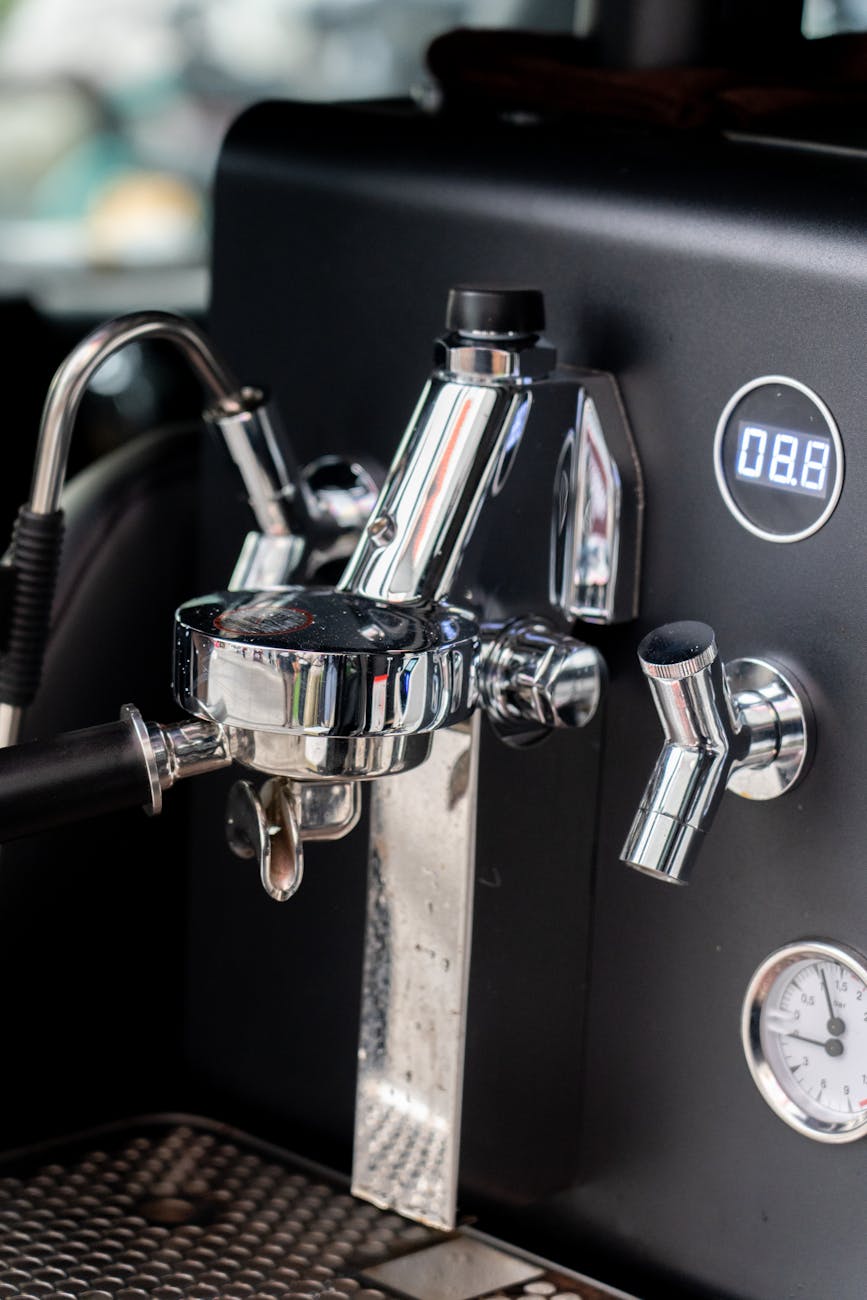
The hidden culprit: How hard water impacts your espresso machine and taste
The quest for the perfect espresso is a journey of precision. Coffee lovers meticulously select their beans, invest in high-quality grinders, and master the art of tamping. Yet, a crucial and often overlooked ingredient flows through every machine: water. While it seems simple, the chemical composition of your water can be the silent saboteur of both your expensive equipment and the delicate flavors of your coffee. Hard water, rich in minerals like calcium and magnesium, is particularly notorious. This article will delve into the profound impact of hard water, exploring how it leads to damaging limescale buildup, degrades machine performance, and fundamentally alters the taste of your espresso, turning a potentially perfect shot into a disappointing one.
What is hard water?
Before we can tackle the problem, it’s essential to understand what “hard water” really means. Simply put, water hardness is determined by the concentration of dissolved minerals, primarily calcium and magnesium ions. As rainwater seeps through rock and soil, it picks up these minerals. The more it collects, the “harder” the water becomes. This is often measured in parts per million (ppm) or grains per gallon (GPG).
When this mineral-rich water is heated inside an espresso machine’s boiler, a chemical reaction occurs. The dissolved calcium bicarbonate breaks down and precipitates into solid calcium carbonate—the chalky, stubborn substance we know as limescale. This process is the root cause of most water-related machine issues. While some minerals are good for flavor, an excess is detrimental.
| Water classification | Hardness in PPM (mg/L) |
|---|---|
| Soft | 0 – 60 |
| Moderately hard | 61 – 120 |
| Hard | 121 – 180 |
| Very hard | Over 180 |
The silent destroyer: Limescale’s effect on espresso machines
Limescale is the number one enemy of an espresso machine. Its buildup is gradual and often invisible until performance issues become undeniable. This mineral crust forms a layer on the most critical components, leading to a cascade of problems:
- Reduced thermal stability: Limescale is a poor conductor of heat. When it coats heating elements, the machine must work significantly harder and longer to bring the water to the correct brewing temperature. This not only increases energy consumption but, more importantly, leads to inconsistent water temperature—a death sentence for a good espresso shot.
- Clogged pipes and valves: The narrow pipes, solenoid valves, and group head passages in an espresso machine are highly susceptible to clogging. As scale builds, it restricts water flow, causing a drop in brew pressure. Your machine might sound like it’s struggling, and you’ll get a weak, under-extracted shot that gushes out too quickly.
- Component failure: Over time, the strain on the heating element can cause it to burn out entirely. Valves can get stuck open or closed, leading to leaks or a complete blockage. These issues often result in expensive and time-consuming repairs that could have been easily avoided.
Essentially, hard water forces your machine to slowly choke itself, compromising the consistency and quality of every shot you pull long before a total breakdown occurs.
How water minerals alter espresso flavor
The impact of hard water extends beyond mechanical damage and directly into your cup. The chemistry of water plays a vital role in how flavor compounds are extracted from coffee grounds. While a complete lack of minerals (like in distilled water) results in a flat, lifeless taste, an excess is just as problematic.
Calcium and magnesium are actually beneficial for extraction, as they are effective at binding to and pulling out desirable fruity and floral notes from the coffee. This is why a little hardness is good. However, hard water often comes with high levels of bicarbonate, which acts as a buffer and neutralizes the bright, delicate acids that give specialty coffee its character. The result is a dull, chalky, and often bitter cup. The high mineral content can lead to over-extraction, pulling out astringent flavors that mask the bean’s true potential. You could have the best coffee beans in the world, but if you brew them with very hard water, you’ll never taste their intended flavor profile.
| Parameter | Specialty Coffee Association (SCA) Target |
|---|---|
| Total Dissolved Solids (TDS) | 150 ppm |
| Calcium hardness | 68 ppm (4 grains) |
| Total alkalinity | 40 ppm |
| pH | 7.0 |
Protecting your investment and your palate
Fortunately, controlling your water quality is entirely achievable. The first step is to test your water. Simple, inexpensive test strips can give you a good idea of your water’s hardness. From there, you can choose the right solution:
- In-tank filters: For most home machines, an in-tank ion-exchange water softener is the easiest and most effective solution. These small pouches or cartridges sit in your machine’s reservoir and swap the calcium and magnesium ions for sodium ions, effectively softening the water before it enters the boiler.
- Filtration pitchers: Standard carbon-based pitchers like a Brita are great for removing chlorine and improving taste, but they do not significantly reduce water hardness.
- Custom water formulas: For the ultimate control, some enthusiasts use a reverse osmosis (RO) or distilled water system and then add a specific mineral packet (like Third Wave Water) to build the perfect water profile from scratch, meeting SCA standards precisely.
- Regular descaling: Even with treated water, periodic descaling is crucial maintenance. It acts as a deep clean, removing any minor scale that has managed to form. Think of filtration as prevention and descaling as the cure.
By taking a proactive approach to water management, you not only protect your machine from costly damage but also unlock the true flavor potential of your coffee beans.
In conclusion, water is far more than a neutral brewing medium; it is an active ingredient that shapes the entire espresso experience. The high mineral content in hard water poses a dual threat. Mechanically, it creates limescale that insulates heating elements, clogs pathways, and ultimately leads to machine failure. From a sensory perspective, it throws off the delicate balance of extraction, neutralizing pleasant acidity and introducing a flat, bitter taste. Protecting your espresso machine and achieving a consistently delicious cup of coffee starts with understanding and managing your water. By testing your water and implementing an appropriate filtration or softening solution, you are making a direct investment in the longevity of your equipment and the quality of every single shot you brew.


 No products in the cart.