

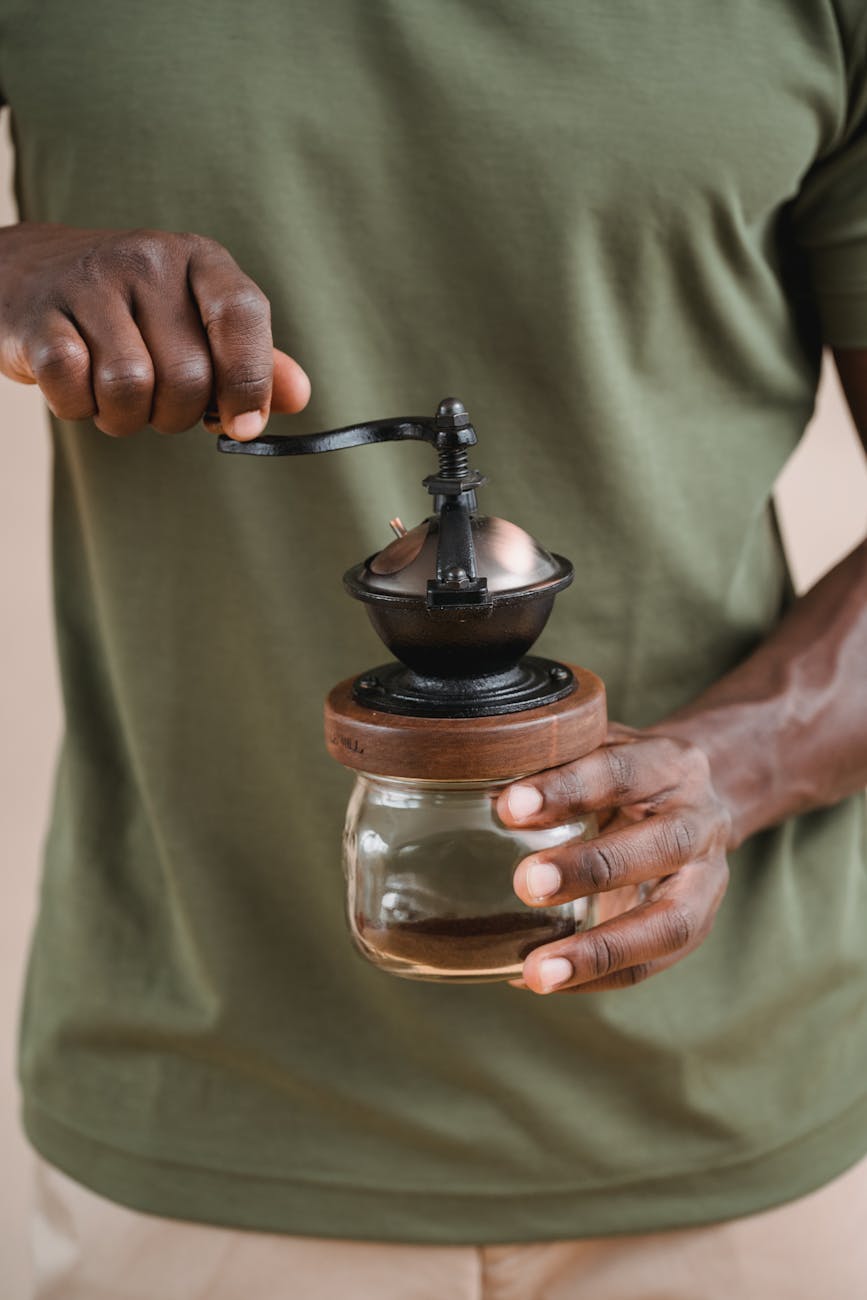
The impact of grinder retention on your first shot of the day
That first sip of espresso in the morning should be a moment of pure bliss. It’s the ritual that kickstarts your day. But for many home baristas, the first shot is often a disappointment. It might taste flat, bitter, or just plain off, forcing you to dial in your grinder all over again. You might blame the beans or your tamping technique, but a hidden culprit is often at play: grinder retention. This refers to the old, stale coffee grounds left inside your grinder from the previous day. These leftover grounds mix with your fresh beans, sabotaging the flavor and consistency of your morning espresso. This article will delve into what grinder retention is, how it ruins your coffee, and what you can do about it.
What is grinder retention?
At its core, grinder retention is the amount of ground coffee that remains inside your grinder after a grinding cycle is complete. No grinder is perfectly efficient; some particles will always get left behind in the burr chamber, the exit chute, or other internal crevices. When you grind 18 grams of fresh beans, you might only get 17 grams out. That missing gram is your grinder’s retention. It doesn’t just disappear; it sits there, waiting for the next grind cycle.
This retained coffee becomes a problem overnight. Exposed to oxygen, the delicate oils and aromatic compounds within the coffee grounds begin to degrade through a process called oxidation. Essentially, the coffee goes stale. The next morning, when you grind your fresh beans, these old, stale grounds are the first to be pushed out, mixing directly into your dose for that all-important first shot. This means your first espresso is never made from 100% fresh grounds, but rather a blend of fresh and stale coffee.
How stale grounds ruin your first shot
The presence of yesterday’s grounds has a significant and detrimental effect on the quality of your espresso. The impact is felt in both flavor and extraction consistency. Stale coffee loses its vibrancy and complexity. The bright, acidic notes and sweet, floral aromas that make a coffee special are the first to fade. What’s left behind are often dull, woody, and bitter flavors. When these stale grounds make up a portion of your dose, they impart these undesirable characteristics to the final cup, resulting in a flat and uninspiring shot.
Beyond taste, stale grounds also disrupt the physical process of extraction. Old coffee behaves differently from fresh coffee when hot water is forced through it. It has often de-gassed completely, meaning it offers less resistance to the water. This can lead to channeling, where water finds a path of least resistance and bypasses most of the coffee puck. The result is an uneven extraction that is simultaneously sour (under-extracted) and bitter (over-extracted from the channel). This inconsistency makes it impossible to dial in your shot properly, as the first pull of the day will always behave differently from the second or third.
Identifying and measuring your grinder’s retention
Understanding how much coffee your grinder retains is the first step toward managing the problem. Thankfully, it’s a simple process. The best method is to weigh your input and your output. First, ensure your grinder is completely clean and empty. Then, weigh out a precise dose of beans, for example, 18.0 grams. Grind this entire dose and carefully weigh the grounds that come out. The difference between the two numbers is your grinder’s retention. For instance, if you put 18.0 grams in and get 16.5 grams out, your grinder has a retention of 1.5 grams.
Different types of grinders have vastly different levels of retention, which often correlates with their price and design philosophy. A simple table can illustrate this:
| Grinder type | Typical retention (grams) |
|---|---|
| Specialty single dose grinder | 0.1g – 0.3g |
| Prosumer flat burr grinder | 1.0g – 3.0g |
| Entry-level conical burr grinder | 3.0g – 6.0g+ |
*Please note these are general estimates and can vary by specific model and cleanliness.
Knowing this number is powerful. If you know your grinder holds 2 grams of coffee, you know that the first 2 grams of your morning grind will be stale.
Strategies to combat grinder retention
Once you’ve identified that retention is an issue, you can implement several strategies to ensure your first shot is as fresh as possible. The most common and straightforward method is purging. This involves grinding a small amount of fresh beans (an amount equal to or slightly greater than your grinder’s retention) and discarding them before grinding your actual dose. This purge pushes out all the old, stale grounds, clearing the way for a completely fresh dose. While effective, the main drawback is the wasted coffee, which can add up over time.
A more efficient workflow is single dosing. This involves weighing only the beans needed for a single shot right before you grind. This method is the foundation of modern low-retention or zero-retention grinders, which are designed with angled burrs and clear pathways to minimize leftover grounds. Many single-dosing enthusiasts use tools like bellows, which puff air through the grind chamber to force out any remaining particles. Another helpful trick, especially for reducing static cling which contributes to retention, is the Ross Droplet Technique (RDT). Simply adding a tiny spritz of water to your beans before grinding can dramatically reduce the amount of coffee that sticks to the inside of your grinder.
Finally, never underestimate the power of regular cleaning and maintenance. Over time, coffee oils and fine particles can build up inside the burr chamber, increasing retention. A routine cleaning every few weeks will keep your grinder performing its best.
Conclusion
The disappointment of a bad first espresso shot is a common frustration, but it doesn’t have to be your reality. The primary culprit is often grinder retention, where stale grounds from the previous day mix with your fresh coffee, negatively impacting both flavor and consistency. By understanding what retention is and how it affects your brew, you can take control. Measuring your grinder’s specific retention level gives you the knowledge to act. Implementing strategies like purging stale grounds, adopting a single-dosing workflow, or simply keeping your equipment clean can eliminate the problem. Taking these simple steps will transform your morning ritual, ensuring that your first coffee of the day is consistently delicious and sets a positive tone for everything that follows.

 No products in the cart.