

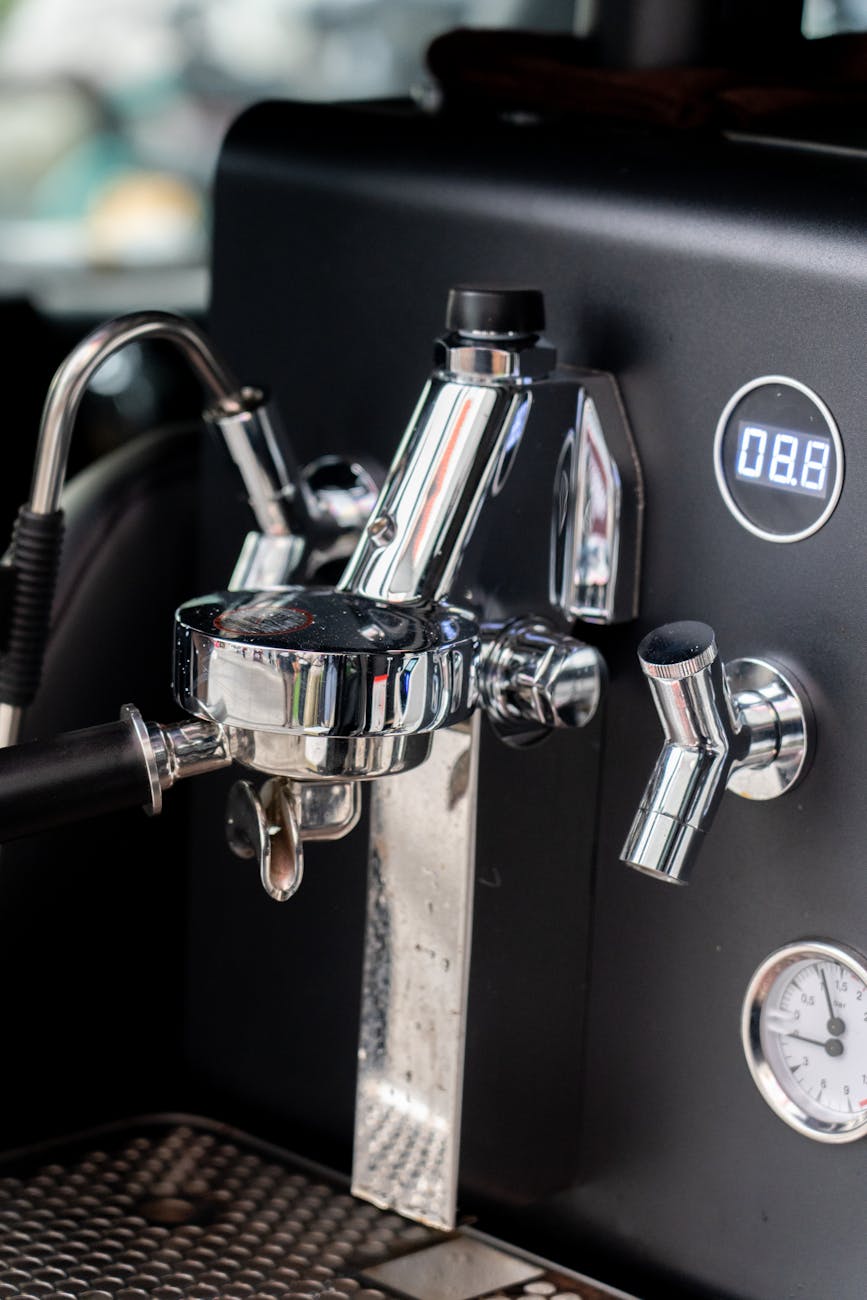
The impact of basket size on Gaggia espresso extraction results
For any Gaggia owner, the pursuit of the perfect espresso shot is a journey of constant learning and tweaking. We obsess over grind size, tamping pressure, water temperature, and bean freshness. Yet, one critical component that is often overlooked is the filter basket itself. It’s not just a simple metal container; its size and design fundamentally dictate the dynamics of your extraction. Moving from a single to a double or even a triple basket is not just about making more coffee; it’s about changing the very physics of how water interacts with the coffee grounds. This article explores the significant impact of basket size on your Gaggia’s extraction results, guiding you from soupy, lackluster shots to rich, balanced, and repeatable espresso.
Understanding the filter basket’s fundamental role
Before diving into the specifics of size, it’s crucial to understand what the filter basket does. Housed within the portafilter, this precision-engineered component holds the coffee grounds, forming what we call the “puck.” When you engage the Gaggia’s powerful pump, hot water is forced through the shower screen and into the basket. The basket’s job is to contain the grounds while allowing the extracted coffee liquid to pass through its hundreds of tiny holes. For Gaggia machines like the iconic Classic Pro, the standard is a 58mm diameter basket. While the diameter is fixed, the depth varies, which is what determines its capacity. We generally categorize them by their intended dose:
- Single basket: Typically holds 7-10 grams of coffee.
- Double basket: The industry standard, designed for 14-18 grams.
- Triple basket: A larger option for doses of 18-22 grams or more.
For this discussion, we are focusing on precision non-pressurized baskets. Unlike the pressurized baskets that come standard with some Gaggia models to help create artificial crema, non-pressurized baskets give the barista full control over extraction, making them essential for achieving true, café-quality espresso.
The physics of extraction: Dose, headspace, and flow
Switching your basket size directly alters three critical physical parameters: puck depth, headspace, and flow resistance. Understanding their interplay is key to mastering your Gaggia. A larger basket demands a larger dose of coffee, not just to make more espresso, but to maintain the proper puck integrity. A 14-gram dose in a 20-gram triple basket will result in a thin, shallow puck. When water hits it at 9 bars of pressure, it will easily break through, creating channels and leading to a fast, watery, and under-extracted shot. This is a classic “gusher.”
This leads to the concept of headspace—the small gap between the top of the tamped coffee and the shower screen above. Too much headspace (like our under-dosed triple basket example) allows water to pool on the puck, eroding its surface before proper saturation begins, leading to an uneven extraction. Conversely, too little headspace—from overdosing a small basket—can cause the puck to press against the shower screen when you lock in the portafilter, fracturing it before the shot even starts. The correct basket-to-dose ratio ensures optimal headspace, promoting even water distribution and a stable extraction. This, in turn, creates the necessary resistance for the Gaggia’s pump to build pressure correctly, allowing for the ideal 25-30 second extraction time.
How basket size directly shapes flavor
The physical changes discussed in the previous section have a direct and predictable impact on the final taste in your cup. Each basket size tends to push the flavor profile in a specific direction.
Single baskets are notoriously difficult to work with. Their tapered, funnel-like shape often forces water to flow down the sides, leading to uneven extraction where the center of the puck contributes less than the edges. This makes it challenging to avoid channeling, often resulting in shots that are simultaneously sour (under-extracted) and bitter (over-extracted from the edges). While not impossible to master, they are generally avoided by enthusiasts seeking consistency.
The double basket is the gold standard for a reason. Its relatively straight walls promote a more uniform water flow through the entire coffee puck. This design makes it far easier to achieve a balanced extraction, where the sugars, oils, and acids are extracted in harmony. This is the basket you should use to “dial in” a new bag of beans, as it provides the truest representation of the coffee’s potential, showcasing its sweetness, body, and acidity. For most home baristas using a Gaggia, the 14-18 gram double basket is the ultimate workhorse.
Triple baskets are for those seeking intensity. By accommodating a larger dose (18-22g), they produce a thicker, more syrupy espresso with a heavier body. This can be fantastic for milk drinks like lattes, as the espresso’s flavor will cut through the milk more assertively. However, this increased dose requires a finer grind to provide enough resistance, which can test the limits of your grinder. Furthermore, the larger puck can challenge the thermal stability of a Gaggia’s small boiler, potentially leading to temperature drops during the longer shot time.
A practical guide to choosing and using your basket
So, how do you apply this knowledge? The key is to be intentional with your choice and consistent with your technique. For anyone learning to use their Gaggia, the path is clear: start with a quality 18-gram double basket. Use it exclusively until you can consistently pull balanced, delicious shots. This is your baseline.
Once you are confident, you can begin to experiment. Remember, you cannot simply swap baskets and keep your grinder at the same setting. A change in dose requires a change in grind size to maintain a similar extraction time. The following table provides a general guide for adjusting your technique:
| Basket Size | Typical Dose | Grind Adjustment (vs. Double) | Potential Flavor Profile | Best For |
|---|---|---|---|---|
| Single | 7-10g | Significantly Coarser | Thinner body, higher risk of acidity | Advanced users wanting a traditional small shot |
| Double | 14-18g | Baseline | Balanced, sweet, good body | Everyday use, dialing in, all drink types |
| Triple | 18-22g | Finer | Intense, rich, heavy body | Large milk drinks, concentrated “espresso bombs” |
To support this process, a digital scale with 0.1-gram accuracy is non-negotiable for precise dosing. Matching your tamper size exactly to your 58mm basket is also essential for an even tamp. By controlling these variables, you can begin to use your filter baskets as a tool to craft the exact style of espresso you desire.
Conclusion
In conclusion, the filter basket is far more than a simple coffee holder; it is an active and influential tool in the espresso-making process. For Gaggia users, understanding its impact is a significant step toward achieving café-quality results at home. We’ve seen that basket size directly influences the physical dynamics of extraction by altering puck depth, headspace, and flow resistance. These physical changes, in turn, shape the final flavor, with the standard double basket offering the best path to a balanced and sweet shot. The finicky single basket and the intense triple basket serve more specialized purposes. The ultimate takeaway is to be methodical: master the double basket first, always measure your dose, and be prepared to adjust your grind when you change your dose. By treating the filter basket with the same respect as your beans or your grinder, you will unlock a new level of control and consistency with your Gaggia machine.

 No products in the cart.