

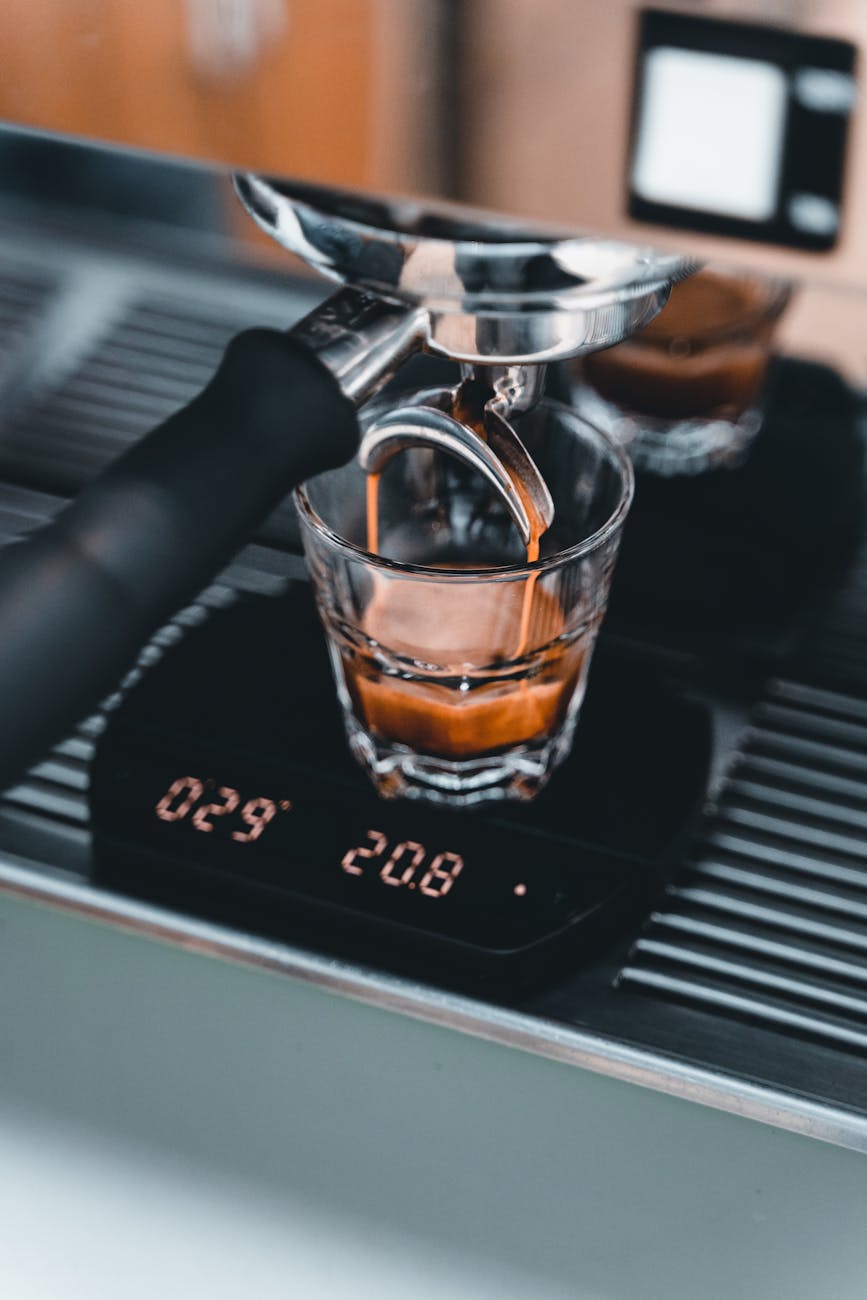
In the relentless pursuit of the perfect espresso shot, baristas and coffee enthusiasts are constantly exploring new tools and techniques. One such tool that has gained immense popularity is the puck screen. Praised for its ability to improve water distribution and keep the group head clean, its true potential can only be unlocked when another critical variable is considered: basket headspace. This article delves into the intricate relationship between the space above your coffee puck and the performance of your puck screen. We will explore how this often-overlooked gap can be the difference between a beautifully balanced extraction and a disappointing, channeled shot. Understanding and mastering this interaction is a fundamental step toward achieving unparalleled consistency and quality in your espresso-making routine.
Understanding the key components: Headspace and the puck screen
Before we can analyze how they work together, it’s essential to understand what each component is and the role it plays in isolation. They are two distinct elements in the espresso-making process, but their functions are deeply intertwined.
Headspace, in the context of espresso, refers to the vertical gap between the top of the tamped coffee puck and the bottom of the group head’s shower screen when the portafilter is locked in. This space is not just empty air; it’s a crucial chamber for the initial phase of extraction. During pre-infusion, water enters this space and begins to saturate the coffee grounds. Proper headspace allows the coffee puck to swell slightly as it absorbs water without immediately being compacted against the rigid shower screen. This gentle expansion helps settle the grounds and promotes a more uniform water flow once full pressure is applied, reducing the likelihood of channeling.
The puck screen is a thin, perforated metal disc (often stainless steel) that is placed directly on top of the tamped coffee puck before brewing. It serves several purposes:
- Improved water distribution: It breaks up the initial powerful jets of water from the shower screen, dispersing them more gently and evenly across the entire surface of the coffee puck.
- Reduced channeling: By promoting even saturation, it minimizes the chances of water finding weak spots and creating channels, which lead to uneven extraction.
- Group head cleanliness: It acts as a physical barrier, preventing coffee grounds from being sucked back into the group head and shower screen, which simplifies cleaning and maintenance.
While a puck screen is designed to perfect the water delivery system, its effectiveness is entirely dependent on the environment it’s placed in—an environment dictated by headspace.
The critical interaction: How headspace affects puck screen function
The introduction of a puck screen adds a new physical layer to the system, making the management of headspace even more critical. The space you leave is no longer just for coffee to swell; it’s for the entire system to operate without physical constraint. The amount of headspace can dramatically alter how the puck screen performs, leading to vastly different results.
If the headspace is too small, the puck screen will be pressed firmly against the group head’s shower screen when the portafilter is locked in. This creates several problems. First, it negates any room for the coffee puck to expand during pre-infusion. Instead of swelling gently, the puck is immediately compacted, which can increase its density and resistance to water flow, potentially leading to channeling around the puck’s edges. Second, the direct, hard contact can impede the screen’s ability to distribute water evenly, as water flow might be restricted in the center where the group head screw makes contact. This can ironically create the very unevenness the screen was meant to prevent.
Conversely, if the headspace is too large, a different set of issues arises. A large gap allows a significant pool of water to form on top of the puck screen before it saturates the coffee. This can cause the screen to float or shift slightly as water pressure builds, disrupting the even bed you carefully prepared. The pre-infusion becomes less controlled, and the excess water can lead to a soupy, messy puck after extraction. This soupy consistency is a sign of inefficient extraction, where the water has not passed through the grounds with the necessary pressure and uniformity, often resulting in a weak or under-extracted shot.
Dialing it in: Finding the optimal headspace with a puck screen
Achieving the perfect balance is a process of “dialing in,” where you adjust your dose to fit your specific basket and machine. The goal is to find the sweet spot where the puck screen sits snugly on the coffee, with just enough room to avoid being crushed against the shower screen.
The primary method for adjusting headspace is by changing your coffee dose. A higher dose reduces headspace, while a lower dose increases it. The classic “nickel test”—placing a coin on the puck to check for an imprint from the shower screen—is a good starting point, but it needs to be adapted for puck screen use. A more effective method is to prepare your puck, place the screen on top, and lock the portafilter into the group head. Then, carefully remove it without brewing. Inspect the top of the puck screen and the coffee puck below.
- Ideal result: You might see a very faint, dry imprint of the shower screen screw on the puck screen, but the coffee puck itself should be undisturbed. This indicates the screen made light contact without compressing the coffee.
- Too little headspace: You will see a deep indentation on the puck screen, and the coffee below may be visibly compacted.
- Too much headspace: There will be no mark on the puck screen at all, suggesting a large gap.
Start with your basket’s recommended dose and adjust by 0.5-gram increments until you find that perfect fit. Remember that different coffees have different densities, so you may need to tweak your dose slightly when changing beans.
The results in the cup: Taste and extraction analysis
Ultimately, all this technical adjustment is in service of one thing: better-tasting espresso. The impact of getting headspace right with a puck screen is immediately noticeable in the cup and visible during the extraction.
When headspace is optimized, the result is a beautifully balanced and clarified shot. The puck screen ensures a gentle and even pre-infusion, allowing for a uniform extraction. This typically produces espresso with enhanced sweetness, a more pleasant texture or mouthfeel, and greater flavor clarity, allowing the unique notes of the coffee to shine through. With a bottomless portafilter, you’ll witness a steady, centered, and syrupy flow. After the shot, the puck will be dry, firm, and easy to knock out, with the puck screen lifting off cleanly.
The table below summarizes the potential outcomes:
| Headspace Level | Visual Cues During Extraction | Taste Profile | Post-Extraction Puck |
|---|---|---|---|
| Too little | Early blonding, spurting, channeling | Bitter, astringent, hollow | Often fractured, stuck to shower screen |
| Optimal | Even, centered flow; rich crema | Balanced, sweet, clear flavors | Dry, solid, and compact |
| Too much | Watery start, fast flow, light color | Sour, weak, under-extracted | Wet, soupy, and messy |
By paying close attention to these sensory and visual cues, you can diagnose issues with your headspace and make the necessary adjustments to your dose, turning a frustrating brewing experience into a rewarding one.
Conclusion
The puck screen is far more than just a simple accessory; it is a precision tool that, when used correctly, can elevate espresso extraction to a new level of consistency and quality. However, its performance is not guaranteed. As we’ve explored, the effectiveness of a puck screen is fundamentally linked to proper headspace management. Too little space suffocates the puck, while too much leaves it swimming. The key lies in finding that delicate balance by carefully adjusting your coffee dose to suit your basket. This allows the puck to expand naturally while enabling the screen to perform its primary function of distributing water flawlessly. Mastering this synergy between dose, headspace, and your puck screen is a defining skill for any barista seeking to unlock the full potential of their coffee.
 No products in the cart.