

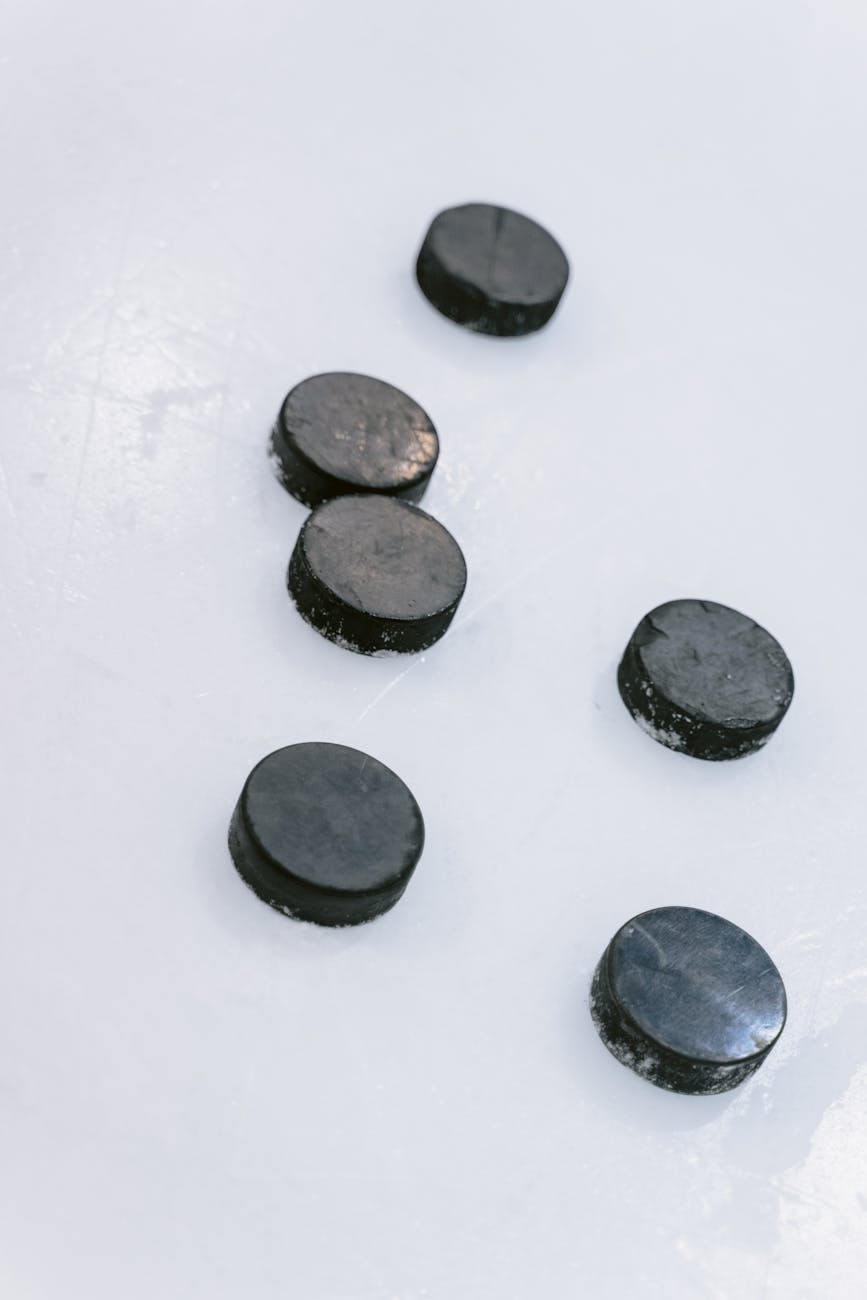
Perfecting the puck: The evolution of home espresso distribution tools and techniques
The quest for the perfect espresso shot is a journey many home baristas embark on. It’s a pursuit of balance, sweetness, and clarity in a tiny cup. While we often focus on the grinder, the machine, or the beans, one of the most critical and often-overlooked variables is puck preparation—specifically, the distribution of coffee grounds in the portafilter. An unevenly distributed puck leads to channeling, where water finds the path of least resistance, resulting in a shot that is simultaneously sour and bitter. This article explores the fascinating evolution of distribution tools and techniques, tracing the path from simple taps and swipes to the precise, needle-based methods that define the modern espresso workflow at home.
The early days: Tapping, settling, and the finger swipe
In the beginning of the home espresso boom, the approach to distribution was rudimentary, born more from professional barista habit than from deep scientific understanding. The primary goal was simple: create a level bed of coffee for tamping. The most common methods were purely manual and relied heavily on the user’s feel and experience.
The most basic technique was tapping. After grinding into the portafilter, a barista would tap the side with their hand. The idea was to encourage the grounds to settle and fill any voids within the coffee bed. While it helped collapse major air pockets, aggressive or uneven tapping could also cause stratification, where finer particles would sink to the bottom and coarser ones would rise to the top, creating its own form of uneven density.
A slightly more forceful version of this was the vertical tap or collapse, where the portafilter was tapped downwards onto a counter or tamping mat. This was effective at quickly settling the mound of grounds but did little to address clumps or distribute the coffee from side to side. It flattened the pile but didn’t truly homogenize it.
Perhaps the most iconic—and now mostly abandoned—technique was the finger swipe or its more elaborate cousin, the Stockfleth move. A barista would use their index finger to level the mound of coffee in a sweeping motion. While a skilled hand could create a visually flat surface, this method had major flaws. It was inconsistent, unhygienic, and most critically, it only groomed the surface, often compacting the top layer while leaving the grounds below untouched and unevenly dense.
The rise of the leveler: A search for consistency
The shortcomings of purely manual techniques paved the way for the first wave of dedicated distribution tools. Recognizing the need for consistency, companies developed what are commonly known as levelers or distribution tools (DTs). Tools like the OCD (Ona Coffee Distributor) became immensely popular, promising a perfectly level surface every single time.
These tools work on a simple principle. They are set to a specific depth and rest on the rim of the portafilter basket. The user then spins the tool, and its wedge-shaped fins glide over the top of the coffee grounds, grooming them into a pristine, flat surface. For the first time, home baristas could achieve a flawlessly level bed before tamping, removing a significant variable from the process.
However, a debate soon emerged in the specialty coffee community. Did these tools actually distribute or did they merely groom? Critics argued, often backed by data from refractometers and visual analysis of bottomless extractions, that levelers simply moved grounds around on the surface. They could potentially create more harm than good by compacting the top layer while leaving less dense pockets of coffee hidden underneath, creating a recipe for channeling that was invisible until the shot was pulled. This realization marked a crucial turning point, shifting the focus from creating a level surface to achieving a truly homogenous density throughout the entire puck.
The WDT revolution: De-clumping for true distribution
The answer to the leveler’s shortcomings had been quietly percolating in online coffee forums for years. In 2005, a home-barista enthusiast named John Weiss proposed a new method to solve the problem of clumpy grounds from his grinder. His solution was simple yet brilliant: use a thin needle to stir the grounds in the portafilter. This became known as the Weiss Distribution Technique (WDT).
Unlike leveling, the goal of WDT is not to create a flat surface but to break up every single clump and evenly distribute coffee particles throughout the entire depth of the basket. The technique involves raking through the grounds with a set of very fine needles (typically 0.3mm to 0.4mm), moving from the bottom of the basket upwards in circular or crisscross patterns. This action de-clumps, aerates, and homogenizes the coffee bed, eliminating density variations that lead to channeling.
What started as a DIY solution with a paperclip has evolved into a market of sophisticated WDT tools featuring dozens of precisely spaced, fine-gauge needles mounted in ergonomic handles. The rise of single-dosing grinders, which can sometimes produce fluffy but clumpy grounds, made WDT an almost essential step for achieving consistent, high-extraction shots. It represents a fundamental shift in thinking: true distribution isn’t about appearance, it’s about creating a uniform resistance for the water to flow through.
The modern espresso workflow: A complete system
Today’s advanced home barista workflow integrates the lessons learned from every stage of this evolution. It’s not about a single magic tool, but a systematic approach to puck preparation. A typical high-end workflow looks something like this:
- Grind with a Dosing Funnel: A tall funnel is placed on the portafilter to contain the grounds, prevent mess, and provide the necessary headspace for effective WDT.
- Perform WDT: Using a multi-needle tool, the grounds are thoroughly stirred to break up all clumps and achieve a fluffy, homogenous consistency.
- Settle the Grounds: A gentle vertical tap settles the aerated grounds into a more compact, but still even, bed.
- Tamp Level: Using a calibrated or self-leveling tamper, the grounds are compressed into a final puck. The focus here is on a perfectly level tamp, as an uneven tamp can undo all the hard work of distribution.
Some baristas still incorporate a leveling tool after WDT for a polished surface, though many now consider it an optional “grooming” step rather than a necessary distribution one. The system is further enhanced by accessories like puck screens (metal mesh discs placed on top of the puck) that help saturate the coffee evenly, acting as a final line of defense against channeling.
Here is a comparison of the different distribution approaches:
| Technique / Tool | Primary Goal | Pros | Cons |
|---|---|---|---|
| Tapping / Settling | Collapse air pockets | Simple, fast, no tools required. | Doesn’t break up clumps; can cause stratification. |
| Finger Swipe | Level the surface | No tools required. | Inconsistent, unhygienic, only affects the surface. |
| Leveling Tool (e.g., OCD) | Create a perfectly flat surface | Highly consistent; provides a level base for tamping. | Can create uneven density below the surface. |
| Weiss Distribution Technique (WDT) | De-clump and homogenize density | Addresses the root cause of channeling; highly effective. | Adds time to the workflow; requires a dedicated tool. |
Conclusion: The ongoing pursuit of the perfect puck
The journey of espresso distribution tools has been one of increasing precision and understanding. We have moved from focusing on the mere appearance of a level surface to a deeper, more scientific approach centered on achieving uniform density throughout the entire coffee puck. Simple taps and swipes gave way to mechanical levelers that promised consistency, but it was the principles behind the humble WDT that truly revolutionized the home barista’s ability to combat channeling. Today’s refined workflow, combining funnels, WDT tools, and precision tampers, is a testament to this evolution. While the tools will undoubtedly continue to change, the fundamental goal remains the same: to create the perfect puck for a flawless, delicious, and repeatable espresso extraction.
 No products in the cart.