

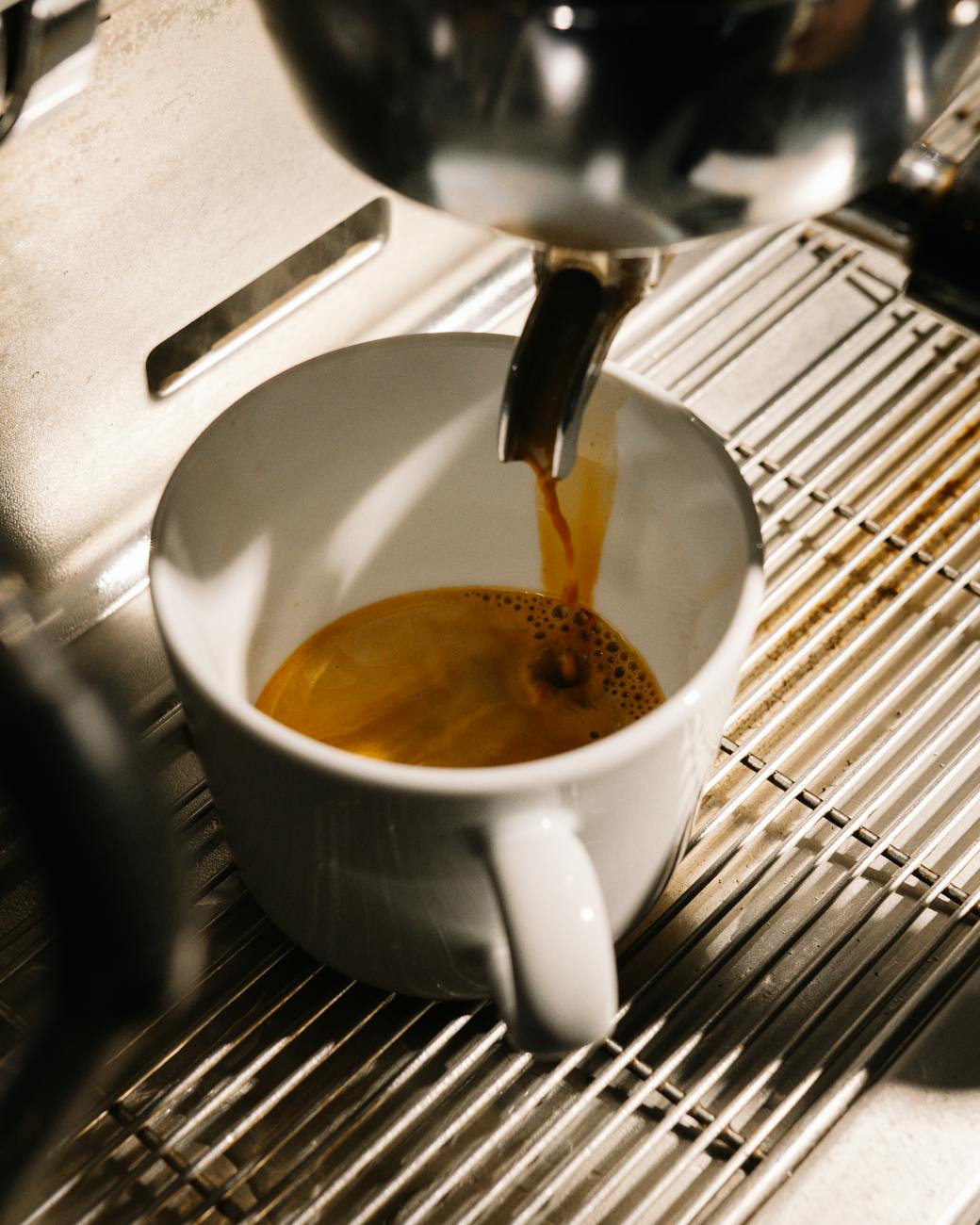
Unlocking espresso clarity: The hidden role of cup thermal mass
In the relentless pursuit of the perfect espresso shot, enthusiasts and baristas meticulously control variables like grind size, water temperature, pressure, and tamping. We invest in high-end grinders and precision machines, all to coax the most exquisite flavors from the coffee bean. Yet, one critical factor is often overlooked or treated as a mere afterthought: the cup itself. The vessel your espresso is served in does more than just hold the liquid; its thermal properties can dramatically alter the final taste. This article delves into the science of cup thermal mass, exploring how this seemingly minor detail has a profound effect on temperature stability, the solubility of flavor compounds, and ultimately, the clarity and quality of your espresso extraction.
Understanding thermal mass and espresso temperature
Before we can appreciate its effect, we must first understand what thermal mass is. In simple terms, it refers to a material’s ability to absorb, store, and release heat. An object with high thermal mass, like a thick ceramic demitasse, requires a lot of energy to change its temperature. Conversely, an object with low thermal mass, such as a thin paper cup, heats up and cools down very quickly.
Now, consider an espresso shot. It’s a very small volume of liquid—typically around 30-40 grams—brewed at a high temperature, usually between 90-95°C (195-203°F). When this hot, delicate liquid hits a room-temperature cup with high thermal mass, the cup acts like a heat sink. It aggressively absorbs thermal energy from the espresso, causing a rapid and significant drop in the liquid’s temperature. This phenomenon, known as thermal shock, is the primary antagonist in our story of flavor clarity.
The chemical impact of thermal shock on flavor
The immediate temperature drop caused by a cold cup isn’t just about your coffee getting cold faster; it fundamentally changes the chemistry in the cup. Espresso is a complex colloidal suspension, a delicate balance of dissolved solids, oils, and aromatic compounds. The solubility and perception of these compounds are highly dependent on temperature.
When the espresso’s temperature plummets, several things happen:
- Reduced solubility: Many of the desirable, volatile aromatic compounds that contribute to floral and fruity notes are less soluble at lower temperatures. They can “fall out” of the solution, becoming muted and less perceptible to your palate. The vibrant, lively character of a well-extracted shot is the first casualty.
- Altered acidity perception: The bright, pleasant acidity that balances an espresso can turn sharp and sour as the temperature drops. The perception of sweetness also diminishes, leading to an unbalanced and often astringent taste profile.
- Emulsion instability: The crema, which is an emulsion of coffee oils and gases, can break down more quickly. While not directly a flavor component, a stable crema contributes to mouthfeel and traps aromatics, enhancing the overall sensory experience.
In essence, thermal shock muddles the flavor profile. The distinct layers of flavor—the bright top notes, the sweet mid-palate, and the rich finish—become compressed and indistinct. What should have been a clear, articulate expression of the coffee becomes a flat, one-dimensional beverage.
The practical solution: Material choice and preheating
Understanding the problem naturally leads to the solution: minimizing thermal shock. This is achieved through two key practices: choosing the right cup material and, most importantly, preheating it.
Preheating a cup is a non-negotiable step for anyone serious about espresso quality. By bringing the cup’s temperature closer to that of the espresso, you drastically reduce the amount of heat it will absorb from the liquid. The goal is to create a thermally stable environment where the espresso can be savored as the roaster and barista intended. The most common methods for preheating include using hot water from the espresso machine’s spigot or resting the cups on the machine’s passive cup warming tray.
The material of the cup also plays a significant role. A thick-walled porcelain or ceramic cup is the traditional choice for good reason. It has a high thermal mass, which means when it’s preheated, it holds that heat exceptionally well, keeping the espresso at a stable temperature for longer. A double-walled glass cup offers a different approach. It has lower thermal mass but provides excellent insulation, preventing heat from escaping into the environment. This also creates excellent temperature stability without stealing as much initial heat.
A comparative analysis: Cold vs. preheated cup
The difference between an espresso served in a cold cup and one served in a properly preheated cup is not subtle. It can be the difference between a disappointing shot and a memorable one. Let’s visualize the impact with a direct comparison, assuming the use of a classic, thick-walled ceramic demitasse.
| Factor | Cold Cup (Room Temp ~21°C) | Preheated Cup (~70°C) |
|---|---|---|
| Initial temperature drop | Significant and immediate (can drop 10-15°C instantly). | Minimal (drops only a few degrees). |
| Perceived acidity | Often perceived as sharp, sour, and disjointed from other flavors. | Bright, balanced, and integrated, contributing to complexity. |
| Flavor clarity | Muddled and flat. Delicate floral or fruit notes are muted or absent. | High. Distinct flavor notes are easily identifiable and vibrant. |
| Body and mouthfeel | Can feel thinner as oils and solids fall out of suspension. | Fuller and more viscous, with a richer texture. |
| Aftertaste | Can become astringent or bitter more quickly. | Sweet, clean, and lingering with pleasant notes. |
As the table illustrates, the simple act of preheating preserves the integrity of the extraction. It allows the coffee to express its full potential, showcasing the nuanced flavors that were so carefully cultivated from farm to machine.
Conclusion
The journey to exceptional espresso is one of attention to detail. While we focus on the major variables of the brewing process, the thermal mass of the cup remains a powerful, often underestimated, force. A cold, high-mass cup inflicts a thermal shock on the delicate espresso, immediately altering its chemical structure and muting its most desirable flavors. This results in a loss of clarity, a distortion of acidity, and a generally flatter sensory experience. By embracing the simple yet crucial step of preheating our cups, we create a stable environment that protects the integrity of the shot. This small action allows the full spectrum of aromas and tastes to shine, transforming a good coffee into a truly great one and honoring the effort behind every bean.

 No products in the cart.