

Walking into a coffee shop or browsing an online roaster, you’re faced with a wall of choices. Beyond origins and tasting notes, you often see bags labeled ‘espresso roast’ or ‘filter roast’. Is this just marketing, or is there a tangible difference? For the home coffee enthusiast, understanding this distinction is the key to unlocking the full potential of your brewing equipment. It’s the difference between a bright, vibrant pour-over and a muddy, bitter one; or a rich, balanced espresso shot and a sour, unpleasant pull. This guide will demystify these terms, exploring the roaster’s philosophy behind each style, how they affect flavor, and most importantly, how to choose the perfect bag of beans for your home machine.
What defines a coffee roast profile?
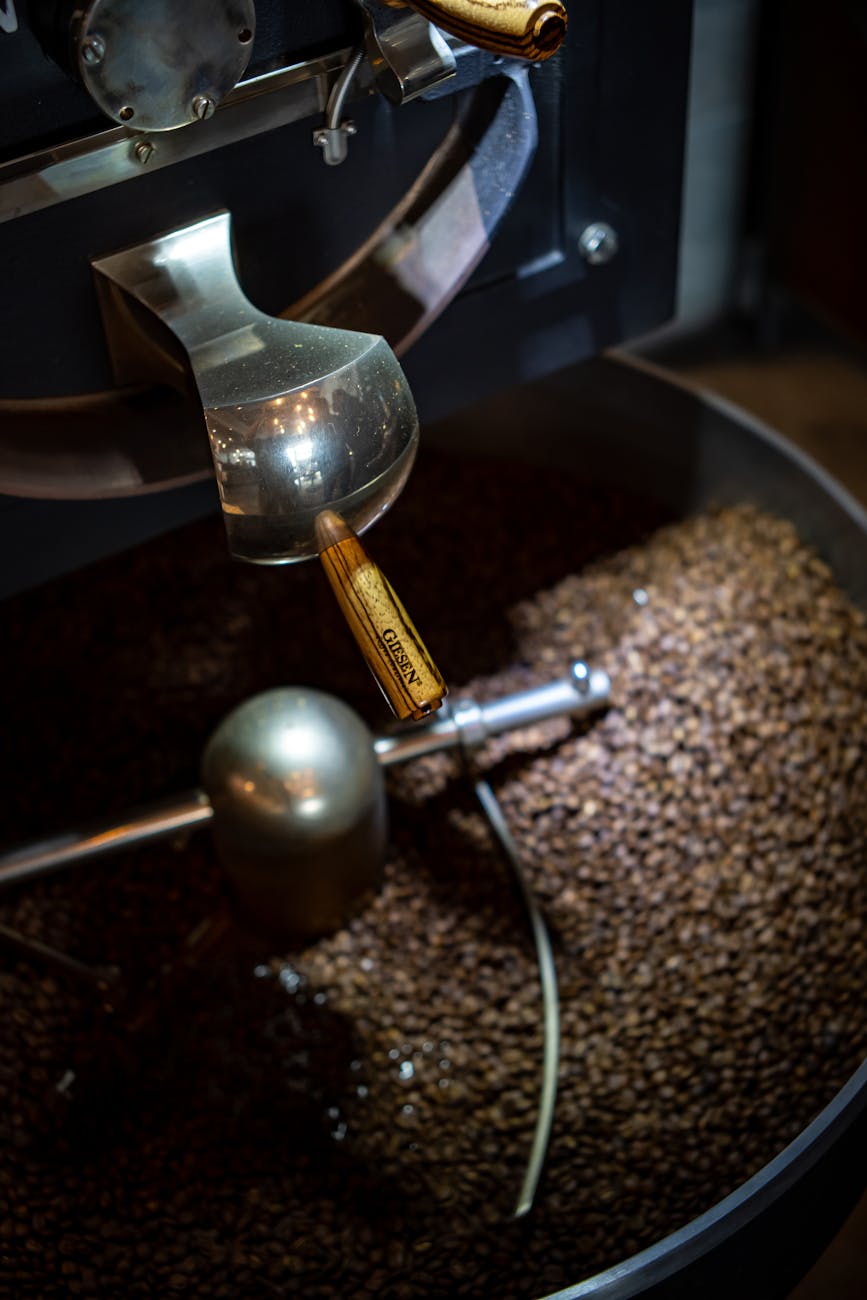
Before we can compare espresso and filter roasts, it’s crucial to understand what happens during the roasting process. Roasting is a delicate art and science, a heat-driven transformation that turns green, grassy-smelling coffee beans into the aromatic, brittle, and soluble beans we grind and brew. A roaster follows a specific roast profile—a precise recipe of time and temperature—to achieve a desired flavor outcome.
This profile manages several key stages. First, the beans go through a drying phase. Then, the Maillard reaction and caramelization begin, developing the complex sugars and aromatic compounds that give coffee its characteristic flavor. A critical moment is the ‘first crack,’ an audible cracking sound as water vapor is forcefully released from the bean. The time spent roasting after this point is called the development time. It is primarily the management of this final stage that creates the fundamental difference between a filter roast and an espresso roast.
The philosophy of a filter roast
The entire goal of a filter roast is transparency. The roaster wants to highlight the unique, intrinsic flavors of the coffee’s origin. Think of a single-origin coffee from Ethiopia known for its blueberry and jasmine notes, or a Kenyan coffee with bright, blackcurrant acidity. A filter roast aims to preserve these delicate and complex characteristics.
To achieve this, filter roasts are typically lighter. The roasting process is stopped shortly after the first crack, resulting in a shorter development time. This gentler approach preserves more of the coffee’s natural organic acids, which translate into a brighter, more vibrant acidity in the cup. The resulting brew often has a lighter body, a more nuanced aroma, and a clean finish. This style is perfect for brewing methods with longer water contact time, like a V60 pour-over, Chemex, French press, or automatic drip machine. These methods gently extract the flavors, allowing the coffee’s origin story to shine through.
Unpacking the espresso roast
An espresso roast is designed with a completely different brewing method in mind: high-pressure, high-speed extraction. Espresso machines force hot water through a finely-ground puck of coffee in about 25-30 seconds. This violent process requires a bean that is highly soluble to avoid a sour, under-extracted shot. The philosophy here is to create a coffee that is balanced, rich, and forgiving under pressure.
To increase solubility and tame acidity, an espresso roast is given a longer development time. The roaster extends the roast well past the first crack, allowing the beans to caramelize more deeply. This process reduces perceived acidity, increases body, and develops flavors we commonly associate with classic espresso: chocolate, caramel, roasted nuts, and spice. The bean itself becomes more brittle and porous, making it easier for the water to extract flavor in such a short time. While some associate espresso roasts with being very dark and oily, modern specialty roasters often craft medium roasts that are perfectly developed for espresso without tasting burnt.
Matching the roast to your home machine
Now for the most important part: which one should you buy? The answer depends entirely on your primary brewing device at home. Using the wrong roast for your method is a common reason for a disappointing cup of coffee.
For Espresso Machines: You should almost always start with a bag labeled ‘espresso roast.’ These beans are specifically developed to be soluble and balanced under pressure, giving you that rich, syrupy shot you’re looking for. They are also designed to pair well with milk for lattes and cappuccinos. While it’s possible to use a lighter filter roast for espresso (often called a ‘Nordic style’ espresso), it is technically very challenging. It requires a high-end grinder and precise control over your machine to avoid sourness, making it a frustrating experience for most home baristas.
For Filter Brewing (Drip, Pour-Over, French Press, AeroPress): Here, filter roasts are king. The longer, gentler extraction of these methods has time to pull out the delicate floral, fruity, and acidic notes that make filter roasts so special. Using a dark espresso roast in your pour-over can result in a one-dimensional, roasty, and sometimes bitter cup, masking all the beautiful origin characteristics the farmer and roaster worked so hard to preserve.
Here is a table to summarize the key differences:
| Feature | Filter Roast | Espresso Roast |
|---|---|---|
| Primary Goal | Highlight origin characteristics | Balance, solubility, and richness |
| Typical Roast Level | Light to Medium-Light | Medium to Dark |
| Development Time | Shorter | Longer |
| Flavor Profile | Fruity, floral, complex, delicate | Chocolate, caramel, nutty, bold |
| Acidity | Higher, more pronounced | Muted, lower, more rounded |
| Body | Lighter, more tea-like | Fuller, heavier, more syrupy |
| Ideal For | Pour-over, drip, French press, AeroPress | Espresso machines, Moka pots |
Ultimately, the labels ‘filter’ and ‘espresso’ are signposts from the roaster guiding you toward the best possible experience. By understanding the philosophy behind each roast, you can confidently select the right beans for your setup. While there are no strict rules in coffee and experimentation is encouraged, starting with the roaster’s recommendation is the surest path to brewing a delicious cup that honors the coffee’s potential. So next time you shop for beans, look past the tasting notes for a moment and check the intended brewing method. Matching your roast to your machine is the foundational step in elevating your daily coffee ritual from good to truly exceptional.

 No products in the cart.