

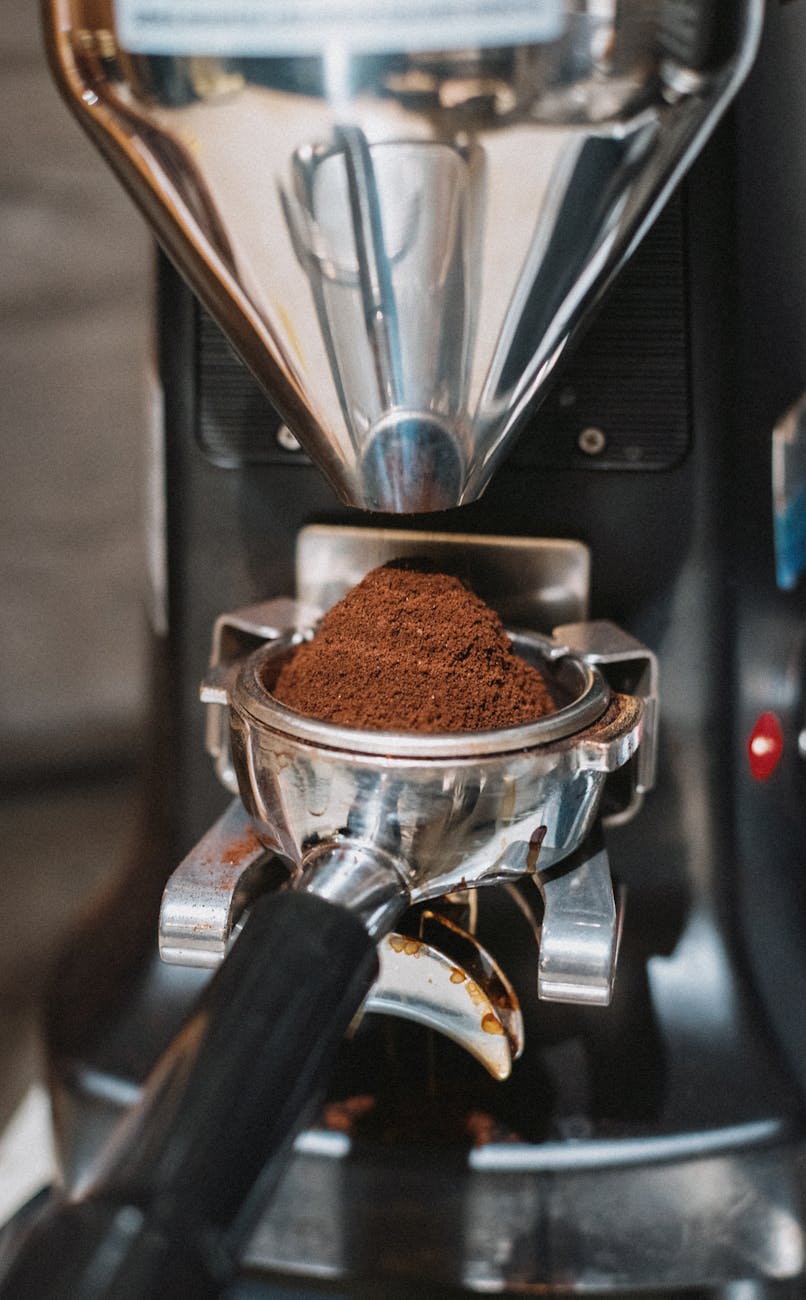
The difference between entry-level and prosumer espresso grinders for home use
Stepping into the world of home espresso can be both exciting and daunting. You’ve likely chosen your espresso machine, but the journey to a perfect shot has just begun. The single most important companion to your machine is the grinder. A great grinder can make a modest espresso machine sing, while a poor one will bottleneck even the most advanced setup. But the market is split, primarily between entry-level models and more robust “prosumer” grinders. This article will demystify the key differences between these two categories, helping you understand where your money goes and which type of grinder is the right investment for your home barista journey.
Burr quality and grind consistency
The entire purpose of an espresso grinder is to produce a uniform bed of coffee grounds. Consistency is king because water is lazy; during extraction, it will always find the path of least resistance. If your grounds are a mix of boulders and dust, water will rush past the large particles (under-extracting them) and get stuck on the fine particles (over-extracting them). The result is a cup that is simultaneously sour and bitter. This is where the core difference begins: the burrs.
Entry-level grinders typically feature smaller burr sets, often in the 38-50mm range. These can be conical or flat and are usually made from stainless steel or sometimes ceramic. While they represent a massive leap from a blade grinder and are capable of producing espresso-fine grounds, their smaller size and less precise manufacturing can lead to a wider distribution of particle sizes. This means more “fines” (dust-like particles) and “boulders,” making it harder to achieve a truly balanced and repeatable shot.
Prosumer grinders are defined by their large, high-quality burr sets, ranging from 58mm up to 83mm or more. These are almost always crafted from hardened steel and manufactured to incredibly tight tolerances. The larger surface area allows them to grind the same amount of coffee faster and with fewer rotations. This reduces heat buildup, which can negatively affect the coffee’s flavor. The result is a much more uniform grind, giving you a cleaner, sweeter, and more complex espresso shot. This superior consistency is the foundation upon which all other prosumer advantages are built.
Adjustment mechanisms and dialing in
Having high-quality burrs is only half the battle; you need a precise way to control the distance between them. This process, known as “dialing in,” is crucial for espresso, where tiny changes in grind size have a dramatic impact on shot time and taste. The adjustment mechanism is a clear dividing line between entry-level and prosumer models.
Most entry-level grinders use a stepped adjustment system. This means you move between predefined settings or “clicks.” It’s user-friendly and makes it easy to return to a previous setting. However, its main drawback is a lack of precision. You might find that the perfect grind size for a particular bean lies somewhere between two clicks. One setting produces a shot that runs too fast (sour), and the very next click produces one that runs too slow (bitter). You’re forced to compromise, which can be frustrating for a developing enthusiast.
In contrast, prosumer grinders almost universally feature stepless or micro-stepped adjustment. A stepless mechanism uses a worm-drive or similar system, giving you an infinite number of settings between the finest and coarsest points. This allows for microscopic changes, empowering you to perfectly dial in any coffee bean for the ideal extraction. This level of control is non-negotiable for anyone serious about exploring the nuances of specialty coffee and getting the absolute best out of their espresso machine.
Workflow, build quality, and retention
Beyond the grind itself, how the grinder fits into your daily coffee ritual is a major consideration. This is where differences in build quality, dosing features, and grind retention become apparent.
Entry-level grinders are often built with more plastic in their chassis and internal components. While functional, this can lead to more noise, vibration, and a less durable feel. They typically use simple timed dosing, where you set a timer to dispense a certain amount of coffee. A common issue at this level is high grind retention—where a significant amount of old grounds remains trapped in the burr chamber and chute after grinding. These stale grounds are then pushed out with your next dose, tainting the flavor of your fresh coffee.
Prosumer grinders are built like tanks. They feature heavy-duty metal bodies, powerful motors, and premium components that ensure stability and longevity. This robust construction also helps dampen motor noise. Workflow is significantly enhanced with features like precise digital timers (accurate to a tenth of a second) or even grind-by-weight technology. Crucially, they are designed for low retention or even zero retention, especially in models geared toward single dosing. This means virtually all the beans you put in come out as grounds, ensuring maximum freshness in every single shot.
Cost vs. long-term value: A summary
Naturally, these upgrades in performance and build quality come at a cost. An entry-level grinder is a fantastic starting point and a necessary first step away from pre-ground coffee. It allows you to learn the fundamentals of espresso preparation without a massive financial commitment. However, as your skills and palate develop, you may quickly find yourself limited by its capabilities. A prosumer grinder is a true investment. It’s a piece of equipment designed to last for years, providing the precision and consistency required to unlock the full potential of high-quality coffee beans. It grows with you, rather than holding you back.
| Feature | Entry-Level Grinder | Prosumer Grinder |
|---|---|---|
| Price Range | $150 – $400 | $500 – $1500+ |
| Burr Size & Quality | Smaller (38-50mm), steel or ceramic | Large (58-83mm+), hardened steel |
| Grind Consistency | Good, but with more fines/boulders | Excellent, highly uniform particle size |
| Adjustment | Stepped (limited settings) | Stepless or Micro-stepped (infinite control) |
| Build Materials | Primarily plastic | Primarily metal (aluminum, steel) |
| Grind Retention | Moderate to high | Low to zero |
| Ideal User | Beginners, budget-conscious users | Serious hobbyists, flavor chasers |
Choosing between an entry-level and a prosumer grinder ultimately depends on your goals and budget. An entry-level model is an excellent gateway, providing the essential function needed to make real espresso at home. It’s a choice you won’t regret as you begin your coffee journey. However, if you view espresso as a serious hobby and desire ultimate control over the final taste in your cup, a prosumer grinder is not a luxury—it’s a necessity. The investment pays dividends in flavor, consistency, and a more enjoyable daily workflow, providing a solid foundation for your passion for years to come.
 No products in the cart.