

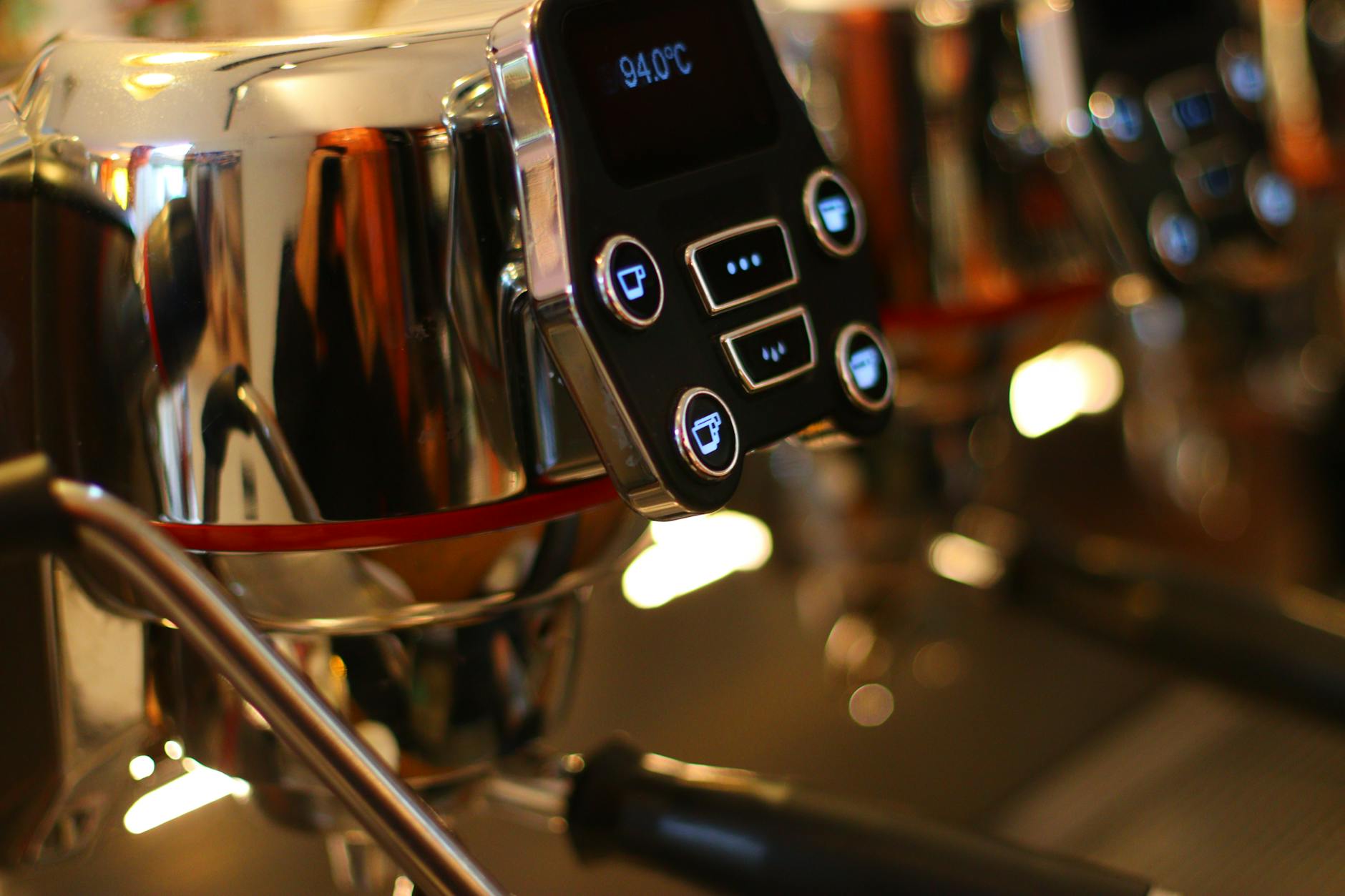
Mastering your brew: The best coffee-to-water ratios for DeLonghi ECP3420 baskets
There’s a special kind of satisfaction that comes from pulling a rich, aromatic shot of espresso in your own kitchen. The DeLonghi ECP3420 is a fantastic entry point into the world of home espresso, offering a great balance of affordability and capability. However, many new owners find themselves frustrated, pulling shots that are either sour and weak or bitter and harsh. The secret to unlocking consistently delicious espresso isn’t a magic bean or an expensive upgrade; it’s understanding and mastering the coffee-to-water ratio. This guide will demystify the process, providing you with the knowledge and specific recipes you need to transform your home coffee experience and get the absolute best out of your DeLonghi ECP3420’s filter baskets.
Understanding the DeLonghi ECP3420 baskets
Before we can talk about ratios, we need to understand the tools you’re working with. Your DeLonghi ECP3420 comes with three filter baskets: a single shot, a double shot, and a pod basket for E.S.E. (Easy Serving Espresso) pods. For our purposes, we’ll focus on the single and double shot baskets used for ground coffee.
A key feature of these stock baskets is that they are pressurized, also known as dual-wall baskets. You can identify them by looking at the bottom; you’ll see a single small hole. Inside, there’s a screen with many holes. This design forces the coffee through that tiny exit hole, artificially creating pressure and a thick, foamy crema. This is a great feature for beginners because it’s very forgiving of an imperfect grind size or tamp. The downside is that it can mask the true quality of a shot and limit your ability to fine-tune the extraction. Understanding this helps set realistic expectations and informs how we approach our ratios.
The baskets also have a recommended capacity. While you can experiment, a good starting point is:
- Single basket: Approximately 7-9 grams of ground coffee.
- Double basket: Approximately 12-15 grams of ground coffee.
We highly recommend using the double basket, as it’s much easier to pull a balanced and consistent shot compared to the single.
The golden rule: Introducing brew ratios
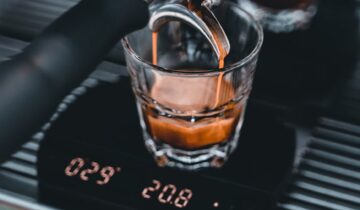
The single most important concept for improving your espresso is the brew ratio. Simply put, this is the relationship between the weight of your dry coffee grounds (your dose) and the weight of the final liquid espresso in your cup (your yield). To measure this accurately, you need a small digital scale that can measure in 0.1-gram increments. Ditching volume measurements (like ounces) for weight is a game-changer because the crema can dramatically skew the volume, while weight remains constant.
There are three classic espresso brew ratios, each producing a different style of shot:
- Ristretto: A tight ratio, typically 1:1 to 1:1.5 (e.g., 14g of coffee producing 14g to 21g of espresso). This results in a very concentrated, intense, and sweet shot with a heavy body.
- Normale: This is the industry standard and your ideal starting point, with a ratio of 1:2 to 1:2.5 (e.g., 14g of coffee producing 28g to 35g of espresso). It offers the best balance of sweetness, acidity, and bitterness.
- Lungo: A longer ratio, starting at 1:3 and up (e.g., 14g of coffee producing 42g+ of espresso). This shot is more diluted, has a lighter body, and can highlight different flavor notes, but it runs a high risk of tasting bitter and over-extracted.
Applying ratios to your ECP3420 baskets
Now, let’s combine our knowledge of the baskets and ratios to create concrete starting points for your DeLonghi machine. Remember, the goal is not just to hit the right weight, but to do it within a reasonable time frame. The ideal extraction time for espresso is generally 25 to 30 seconds from the moment you press the brew button.
Place your scale under your cup on the drip tray and start a timer as soon as you start the brew. Press the button again to stop the flow just before you reach your target yield weight, as a few extra drips will fall.
Here are some recommended starting recipes:
| Basket Type | Coffee Dose (in) | Target Yield (out) | Brew Ratio | Target Time |
|---|---|---|---|---|
| Double Shot Basket | 14 g | 28 g | 1:2 | 25-30 seconds |
| Single Shot Basket | 8 g | 16 g | 1:2 | 25-30 seconds |
What if your shot doesn’t fall within the 25-30 second window? This is where you “dial in”:
- Shot is too fast (e.g., 15 seconds): This is a sign of under-extraction, and your coffee will likely taste sour. You need to increase the resistance. The primary way to do this is to grind your coffee finer.
- Shot is too slow (e.g., 40 seconds): This is a sign of over-extraction, leading to a bitter, harsh taste. You need to decrease resistance. The solution is to grind your coffee coarser.
While the ECP3420’s pressurized baskets make grind size less sensitive, it is still the most effective variable you can change to control shot time and taste.
Experimenting for your perfect shot
The 1:2 ratio is your baseline, not the final destination. The true joy of home espresso is tweaking the variables to perfectly suit your taste and the specific coffee beans you’re using. Once you can consistently pull a balanced 1:2 shot in about 25-30 seconds, you can start experimenting.
Think about the coffee’s roast profile. Different roasts benefit from different ratios:
- For Dark Roasts: These beans are rich in chocolatey, nutty, and roasty notes but can easily become bitter. Try a slightly tighter ratio, like 1:1.8. For a 14g dose, this would mean a 25g yield. This emphasizes the coffee’s syrupy body and sweetness while taming any potential bitterness.
- For Light Roasts: These beans are known for their bright, acidic, and fruity or floral notes, which can be harder to extract. Try a longer ratio, like 1:2.5. For a 14g dose, you would aim for a 35g yield. This allows more water contact time to pull out those delicate, complex flavors that might be muted in a standard shot.
The most important tool in this phase is your palate. Taste everything. Does the shot taste sour? Let it run a little longer. Is it too bitter? Cut it a little shorter next time. By making one small adjustment at a time, you’ll learn how each variable impacts the final taste in your cup.
Conclusion
Your DeLonghi ECP3420 is more than capable of producing truly exceptional espresso, but it requires you to move beyond the factory settings and take control of the process. The key to this control lies in ditching volume for weight and embracing brew ratios. By investing in a simple digital scale, you empower yourself to pull consistent and repeatable shots. Start with the golden 1:2 ratio—for the double basket, that means 14 grams of coffee in and 28 grams of espresso out, aiming for a 25-30 second brew time. Use this as your solid foundation. From there, let your taste buds guide you. Tweak the ratio to complement different beans and discover the unique flavors waiting to be unlocked. This journey of experimentation is what makes home espresso so rewarding.
 No products in the cart.