

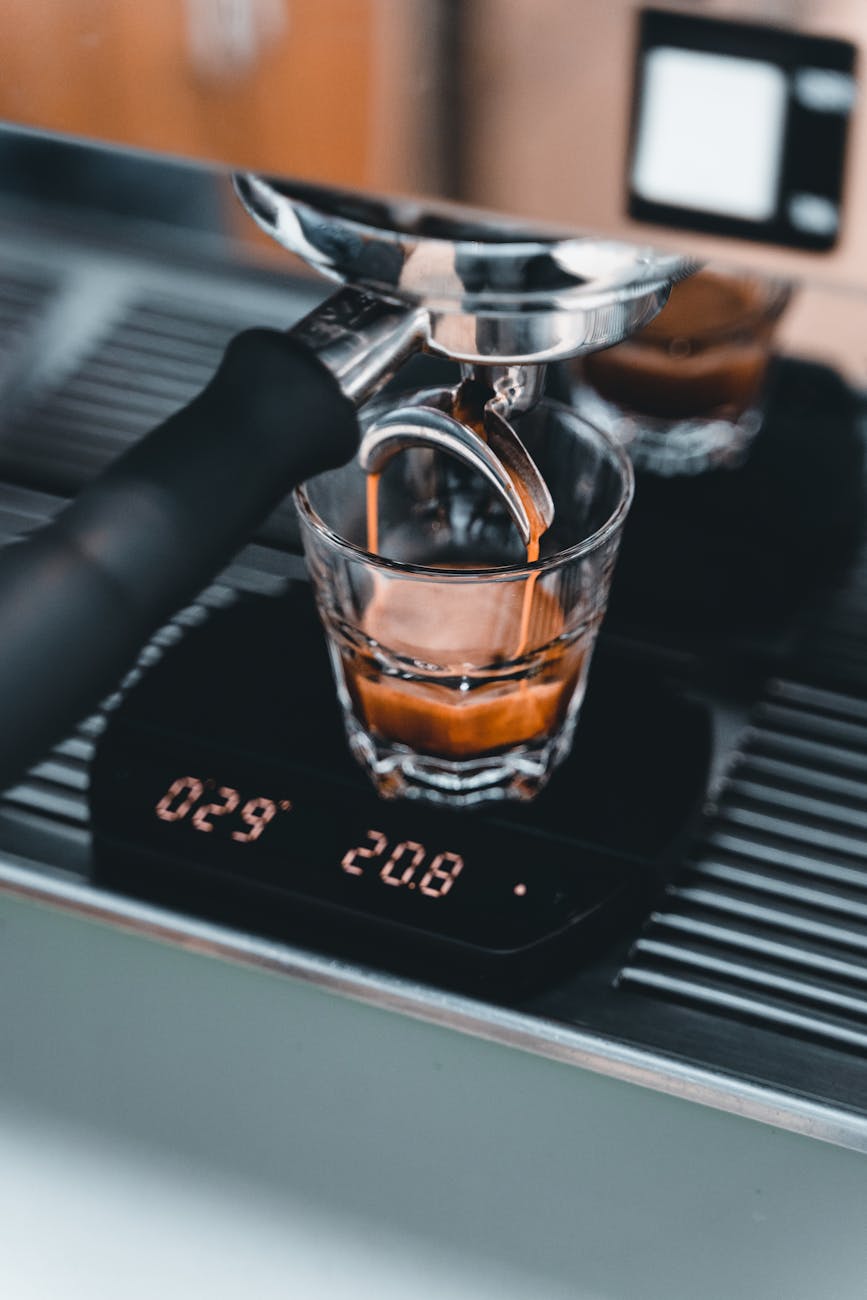
The secret to better espresso: Why you need a paper filter in your portafilter
For any espresso enthusiast, the pursuit of the perfect shot is a never-ending journey of tweaking variables. We obsess over grind size, water temperature, and tamping pressure, all in the name of that elusive, syrupy-sweet extraction. But what if one of the most significant improvements to your daily brew could come from a simple, inexpensive addition to your routine? We’re talking about placing a small paper filter at the bottom of your portafilter basket. This seemingly minor tweak is gaining popularity among professional and home baristas for its profound impact on shot quality. In this article, we’ll explore the science and the sensory benefits behind this technique, demonstrating how it can lead to cleaner, more consistent, and ultimately more delicious espresso.
Enhancing shot clarity and machine cleanliness
The most immediate and noticeable benefit of using a bottom paper filter is the dramatic improvement in the clarity of your espresso. Your coffee puck, no matter how well-prepared, contains very fine coffee particles, often referred to as “fines.” During extraction, the intense pressure can force these fines through the holes of your portafilter basket, ending up as sediment at the bottom of your cup. This can create a slightly gritty texture and contribute to astringency.
The paper filter acts as a final barrier, catching these fines before they ever leave the basket. The result is a visually cleaner shot with a smoother, more refined mouthfeel. Beyond the cup, this technique also benefits your espresso machine. After a shot is pulled, the three-way solenoid valve releases pressure, often sucking a small amount of water and coffee grounds back up into the group head. By blocking fines at the source, the paper filter significantly reduces the amount of coffee debris that enters your machine’s internal components, keeping your group head and shower screen cleaner for longer and potentially reducing maintenance needs.
Improving extraction evenness and consistency
This is where the technique transitions from a simple filter to a powerful extraction tool. One of the biggest enemies of a good espresso shot is channeling. This occurs when water finds a path of least resistance through the coffee puck, over-extracting the coffee along that channel while under-extracting the rest of the puck. This leads to a shot that is simultaneously bitter and sour—the worst of both worlds. Puck preparation, or “puck prep,” aims to create a bed of coffee with uniform density to prevent this.
Placing a paper filter at the bottom of the basket introduces a layer of uniform resistance right before the water exits. This encourages the water to spread more evenly across the entire base of the coffee puck before finding an exit, rather than jetting straight through the nearest basket hole. This improved water distribution helps saturate the puck more uniformly from the bottom up, forcing the water to work its way through the coffee more evenly. This mitigation of channeling leads to a much more balanced extraction and, crucially, greater shot-to-shot consistency.
The impact on taste and flavor profile
A cleaner cup and a more even extraction inevitably lead to a better-tasting espresso. By addressing the core issues of fines and channeling, the bottom paper filter allows the true character of your coffee beans to shine through. The reduction in fines and the harsh flavors associated with over-extracted channels strips away layers of bitterness and astringency that may have been masking the coffee’s more delicate notes.
What you’re left with is a flavor profile characterized by increased sweetness, heightened acidity (the good, bright kind), and a remarkable clarity of flavor. Fruity, floral, and complex notes become more pronounced and easier to identify. The overall experience is a cup with a rounder body and a cleaner finish, allowing you to taste the coffee as the roaster intended. It’s not about making the coffee “stronger,” but rather making it more focused and balanced, elevating the entire sensory experience.
A practical guide and comparison
Integrating this technique into your workflow is incredibly simple. You can purchase pre-cut paper filters designed for specific basket sizes (e.g., 58mm or 54mm) or even use a standard Aeropress filter if it fits well. The process is straightforward:
- Start with a clean, dry portafilter basket.
- Place one paper filter at the bottom, ensuring it lies flat against the metal.
- Dose your ground coffee directly on top of the filter.
- Distribute and tamp your coffee as you normally would.
- Pull your shot and enjoy the results.
To better visualize the impact, here is a direct comparison of a typical shot with and without a bottom paper filter:
| Feature | Shot without paper filter | Shot with paper filter |
|---|---|---|
| Shot clarity | Some visible sediment in the cup; can have a muddy appearance. | Visually much cleaner with little to no sediment. |
| Extraction evenness | More prone to channeling, leading to uneven extraction signs like spurting. | Promotes a more uniform flow, reducing channeling and leading to a more stable extraction. |
| Taste profile | Higher potential for bitterness and astringency; muted flavor notes. | Increased sweetness and flavor clarity; reduced bitterness and a smoother finish. |
| Machine cleanliness | More coffee fines are sucked back into the group head after the shot. | Group head and solenoid valve stay significantly cleaner over time. |
Conclusion
The simple act of adding a paper filter to the bottom of your portafilter basket is far more than just a minor tweak; it’s a powerful technique that addresses several fundamental challenges in espresso brewing. From a tangible reduction in sediment to a more profound improvement in extraction dynamics, the benefits are clear. It helps you achieve a cleaner, sweeter, and more articulate cup of espresso by minimizing channeling and filtering out unwanted fines. At the same time, it contributes to the long-term health of your espresso machine. For a minimal cost and a few extra seconds added to your routine, this method offers a remarkable return on investment. If you are on a quest to elevate your home espresso, experimenting with a bottom paper filter is a logical and highly recommended next step.


 No products in the cart.