

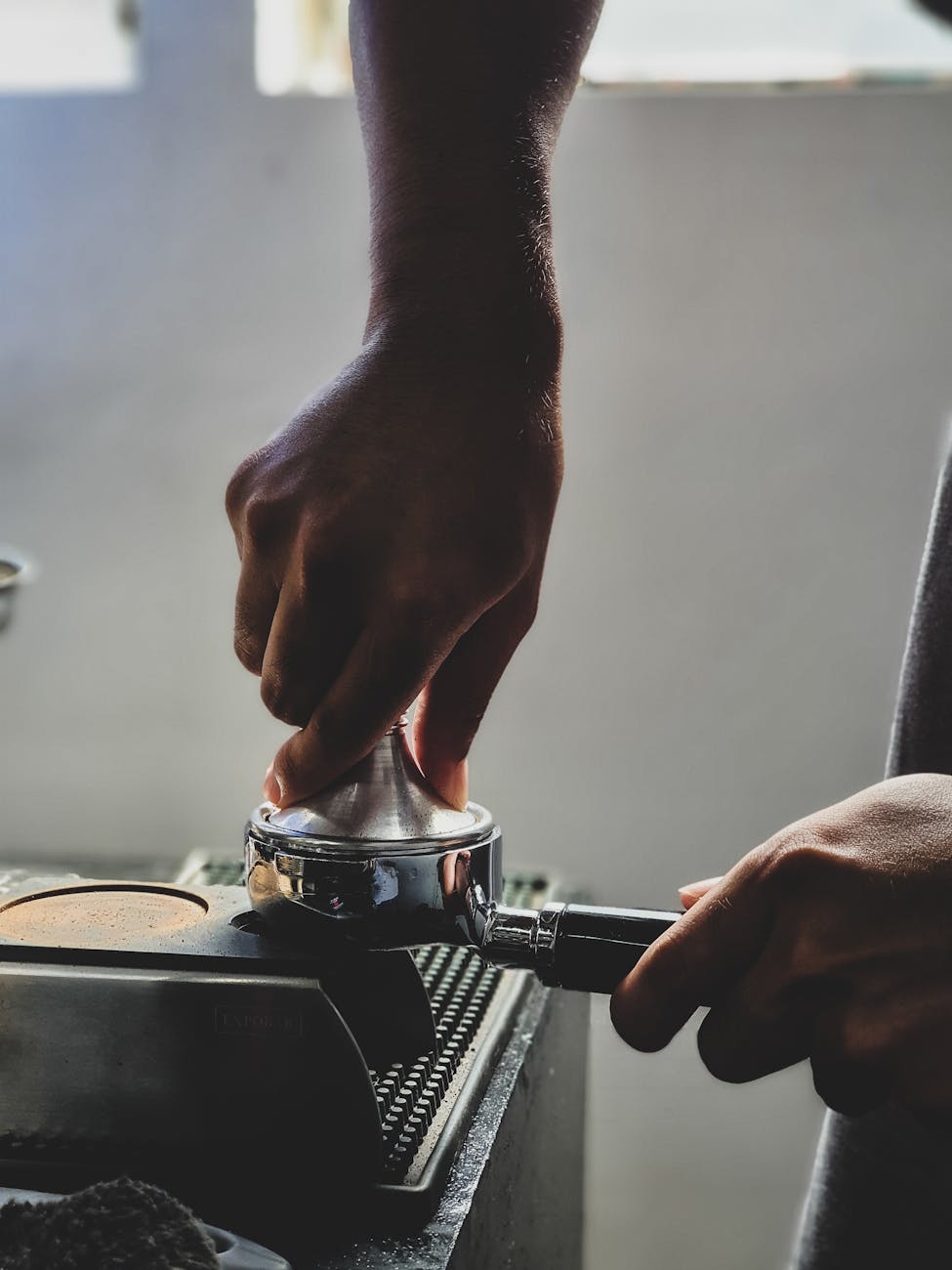
The beginner’s secret to better espresso: The constant pressure tamper
Stepping into the world of home espresso can feel like learning a new language. You have to master grind size, dose, yield, and extraction time. Among these variables, one of the most elusive for beginners is tamping. How hard should you press? Is it the same every time? This inconsistency can lead to frustratingly different shots, even when you think you’ve done everything else right. A constant pressure tamper, also known as a calibrated tamper, is a game-changing tool designed to solve this exact problem. This article will explore the significant benefits of using a constant pressure tamper, explaining how it removes guesswork and helps new baristas build a solid foundation for pulling consistently delicious espresso shots.
Demystifying the art of tamping
Before we can appreciate the solution, we must understand the problem. Tamping is the act of compressing the loose coffee grounds in your portafilter into a dense, level puck. The purpose is twofold: to create an evenly packed surface and to provide resistance against the hot, high-pressure water from your espresso machine. If the puck is not compressed properly, water can force its way through weak spots, a phenomenon called channeling. This leads to an uneven extraction, resulting in a cup of espresso that is simultaneously bitter and sour.
For a beginner, the biggest challenge is applying the correct amount of pressure consistently. The industry standard is around 30 pounds (or 15 kg) of force. But what does 30 pounds of pressure feel like? Without experience, it’s pure guesswork. One day you might press with 20 pounds, the next with 40. This single, uncontrolled variable can make your shots pull too fast or too slow, leaving you confused about whether the problem is your tamp or your grind size.
How a constant pressure tamper works
A constant pressure tamper looks very similar to a standard one, but it contains a clever internal mechanism. Inside the handle is a pre-calibrated spring. As you press down on the coffee grounds, the tamper functions normally until you reach the designated pressure. Once that force is achieved, the handle will give a subtle “click” or release, signaling that you have applied the correct amount of pressure. You simply cannot press any harder. The mechanism ensures that whether you’re feeling strong or tired, you apply the exact same tamping force every single time.
This simple but brilliant design takes the guesswork completely out of the equation. It transforms an abstract “feel” into a concrete, repeatable action. This allows the beginner to focus on the other crucial aspect of tamping: ensuring the tamp is perfectly level. By automating the pressure, you can dedicate all your attention to keeping your wrist straight and creating a flat surface for an even extraction.
The key benefits for new baristas
Integrating a constant pressure tamper into your workflow offers several immediate advantages that can dramatically shorten the learning curve and reduce frustration.
- Eliminates a major variable: Espresso has many moving parts. When a shot goes wrong, you have to diagnose the problem. Was the grind too coarse? Was the dose wrong? By using a calibrated tamper, you can confidently say, “I know my tamping pressure was correct.” This allows you to isolate and fix the real issue, like adjusting your grinder, far more efficiently.
- Builds muscle memory and confidence: While the tool does the work, it also teaches you what the correct pressure feels like. Over time, you’ll develop the muscle memory needed for consistent tamping. It acts as a set of training wheels, guiding you toward proper technique and building the confidence needed to experiment with other parts of the process.
- Prevents channeling and improves taste: Inconsistent pressure is a leading cause of channeling. A constant, even force creates a more uniform coffee puck. This encourages water to flow through the grounds evenly, extracting all the desirable sweet and complex flavors from the coffee and leaving the bitter, under-extracted notes behind. The result is a more balanced and delicious shot of espresso.
Comparing tamper types for beginners
To put the benefits into perspective, it helps to see how constant pressure tampers stack up against other common types. For a new user focused on consistency, the choice becomes clear.
| Tamper type | Pressure consistency | Learning curve | Typical cost |
|---|---|---|---|
| Standard tamper | Low (Relies entirely on user feel) | High | Low to medium |
| Constant pressure tamper | Very high (Calibrated click mechanism) | Very low | Medium to high |
| Palm tamper / Distributor | High (Depth-based, not pressure) | Low | Medium to high |
While a standard tamper is affordable, it offers no feedback, making it difficult for a beginner to achieve consistency. A palm tamper ensures a level surface and consistent depth, but it doesn’t directly manage pressure. The constant pressure tamper specifically targets the force variable, which is often the most difficult element for a novice to master, making it an ideal starting point.
A worthy investment in your espresso journey
Mastering espresso is a journey of controlling variables. For anyone new to this craft, the goal should be to simplify the process and build a repeatable routine. A constant pressure tamper is one of the most effective tools for achieving this. It removes the ambiguity of tamping force, providing unwavering consistency from the very first shot. This allows you to focus on other essential skills, like dialing in your grind and managing your dose. By ensuring your coffee puck is perfectly prepared every time, you’re not just buying a tool; you’re investing in better-tasting coffee, a faster learning curve, and a much more enjoyable and rewarding home barista experience. It’s a small change that makes a huge difference.



 No products in the cart.