

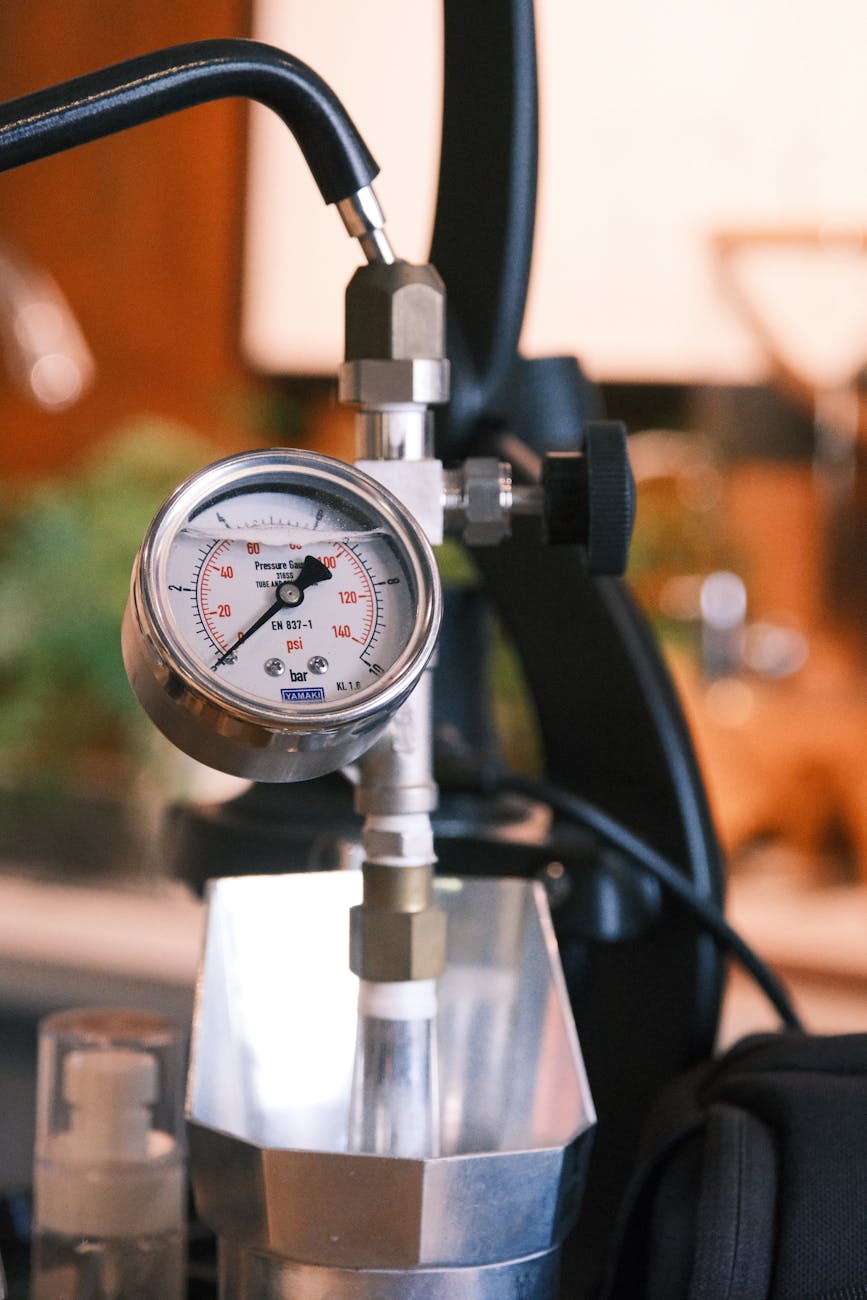
Temperature surfing vs. PID control: Upgrading your Gaggia Classic for better espresso
The Gaggia Classic is a legend in the world of home espresso. For decades, it has served as the gateway for countless enthusiasts, offering a robust platform for learning the craft of pulling a great shot. However, its classic design comes with a significant limitation: brew temperature instability. The machine’s simple thermostat creates a wide temperature swing that can lead to inconsistent, frustrating results. To overcome this, owners turn to two popular methods: the manual art of temperature surfing and the technical precision of a PID controller. This article will delve into both approaches, comparing their mechanics, benefits, and drawbacks to help you decide which path is the best for elevating your Gaggia Classic experience and achieving cafe-quality espresso at home.
Understanding the Gaggia Classic’s temperature problem
Before you can fix a problem, you need to understand it. The Gaggia Classic’s Achilles’ heel lies in its stock temperature regulation system. It doesn’t use a sophisticated sensor; instead, it relies on a simple bimetallic thermostat screwed onto the boiler. Think of it as a basic on/off switch for a furnace. It lets the boiler heat up to a certain point, then cuts the power. The boiler then passively cools until it drops below a lower threshold, at which point the thermostat clicks the power back on.
This crude mechanism creates a massive temperature deadband, or swing. The water temperature inside the boiler can fluctuate by as much as 10-15°C (20-30°F) during its cycle. Why does this matter? Espresso extraction is a delicate chemical reaction that is highly sensitive to temperature. A few degrees can be the difference between a balanced, sweet shot and one that is sour (under-extracted due to low temp) or bitter (over-extracted due to high temp). With the stock Gaggia Classic, you are essentially flying blind, pulling a shot at a random point in this wild temperature swing, which is the primary source of shot-to-shot inconsistency.
The art of temperature surfing
Temperature surfing is the manual technique Gaggia owners use to tame this temperature swing without any modifications. It’s a hands-on process of learning your machine’s heating cycle and timing your shot to “catch” the water at a more desirable and consistent temperature. While methods vary slightly, a common routine looks like this:
- Step 1: Let the machine fully heat up. The “ready” light will turn off when the boiler reaches the top of its temperature range.
- Step 2: Place a cup under the group head and run some water for a few seconds. This flush of hot water will cause the boiler temperature to drop, tricking the thermostat into turning the heating element back on. You’ll see the ready light come back on.
- Step 3: Now, you wait. This is the crucial part. You are waiting for the boiler to heat back up. As soon as the ready light turns off again, you know the boiler is at its peak, most consistent temperature.
- Step 4: Immediately lock in your portafilter and start your extraction. By starting your shot at the same point in the heating cycle every time, you introduce a level of consistency that is otherwise impossible.
The main advantage of temperature surfing is that it’s completely free. It’s a skill that improves your connection with the machine. However, it’s far from a perfect solution. It’s still a form of educated guesswork, less precise than a dedicated controller, and requires your full attention for every shot. It improves consistency but doesn’t perfect it.
The precision of PID control
If temperature surfing is an art, installing a PID controller is pure science. A PID (Proportional-Integral-Derivative) controller is a small digital brain that replaces the machine’s clumsy stock thermostat. It uses a highly accurate temperature probe (a thermocouple) placed on the boiler and a sophisticated algorithm to hold the brew water at a precise temperature you set.
Instead of the simple on/off logic of the original thermostat, a PID intelligently pulses power to the heating element. As the boiler approaches your target temperature, say 93°C, the PID sends smaller and smaller bursts of energy, effectively “feathering” the power to prevent overshooting. The result is rock-solid temperature stability, often holding within +/- 0.5°C of your set point. This transforms the Gaggia Classic from an unpredictable machine into a precision instrument.
The benefits are game-changing:
- Repeatability: Every single shot is pulled at the exact same temperature, eliminating a massive variable from the espresso-making process.
- Control: You can easily adjust the temperature to suit different coffee beans. A light roast might taste better at 94°C, while a dark roast shines at 90°C. This level of control is impossible with the stock machine.
- Improved Workflow: No more surfing, timing, or guessing. Once the machine is up to temp, it stays there, ready for you to pull a shot whenever you want.
The downsides are the cost and installation. PID kits typically cost between $100 and $200 and require you to open up your machine and do some basic wiring. While many kits come with excellent step-by-step instructions, it does require a bit of a DIY spirit.
Head-to-head comparison: Surfing vs. PID
The choice between these two methods ultimately comes down to your budget, goals, and comfort level with modifying your equipment. Temperature surfing is a clever workaround, while a PID is a fundamental solution. Let’s break down the key differences in a direct comparison.
| Feature | Temperature Surfing | PID Control |
|---|---|---|
| Cost | Free | $100 – $200 |
| Precision | Low to moderate. Aims for a consistent starting point in a wide swing. | Extremely high. Holds temperature stable to within a degree or less. |
| Consistency | Much better than nothing, but still user-dependent and imperfect. | Near-perfect. Eliminates temperature as a variable between shots. |
| Ease of Use | Requires practice, attention, and timing for every shot. | Set it and forget it. Simplifies the workflow significantly. |
| Installation | None. It’s a technique, not a physical part. | Requires ~1-2 hours of installation and basic wiring. |
| Best For | New owners, those on a strict budget, or users not comfortable with modifications. | Enthusiasts seeking the highest quality, consistency, and control from their machine. |
Conclusion: Which is truly better?
So, which method wins for the Gaggia Classic? The answer depends on your journey as a home barista. Temperature surfing is an essential skill for any new Gaggia owner. It’s a free and effective way to immediately improve your espresso by managing the machine’s biggest flaw. It forces you to understand how your machine works and is a fantastic first step toward better coffee. However, it will always be a workaround. For the espresso enthusiast who wants to eliminate variables, experiment with different coffees, and achieve true cafe-level consistency, a PID controller is not just better—it’s transformative. It turns the Gaggia Classic from a capable entry-level machine into a precision instrument that can compete with machines costing many times more. It is, without a doubt, the single most impactful upgrade you can make.

 No products in the cart.