

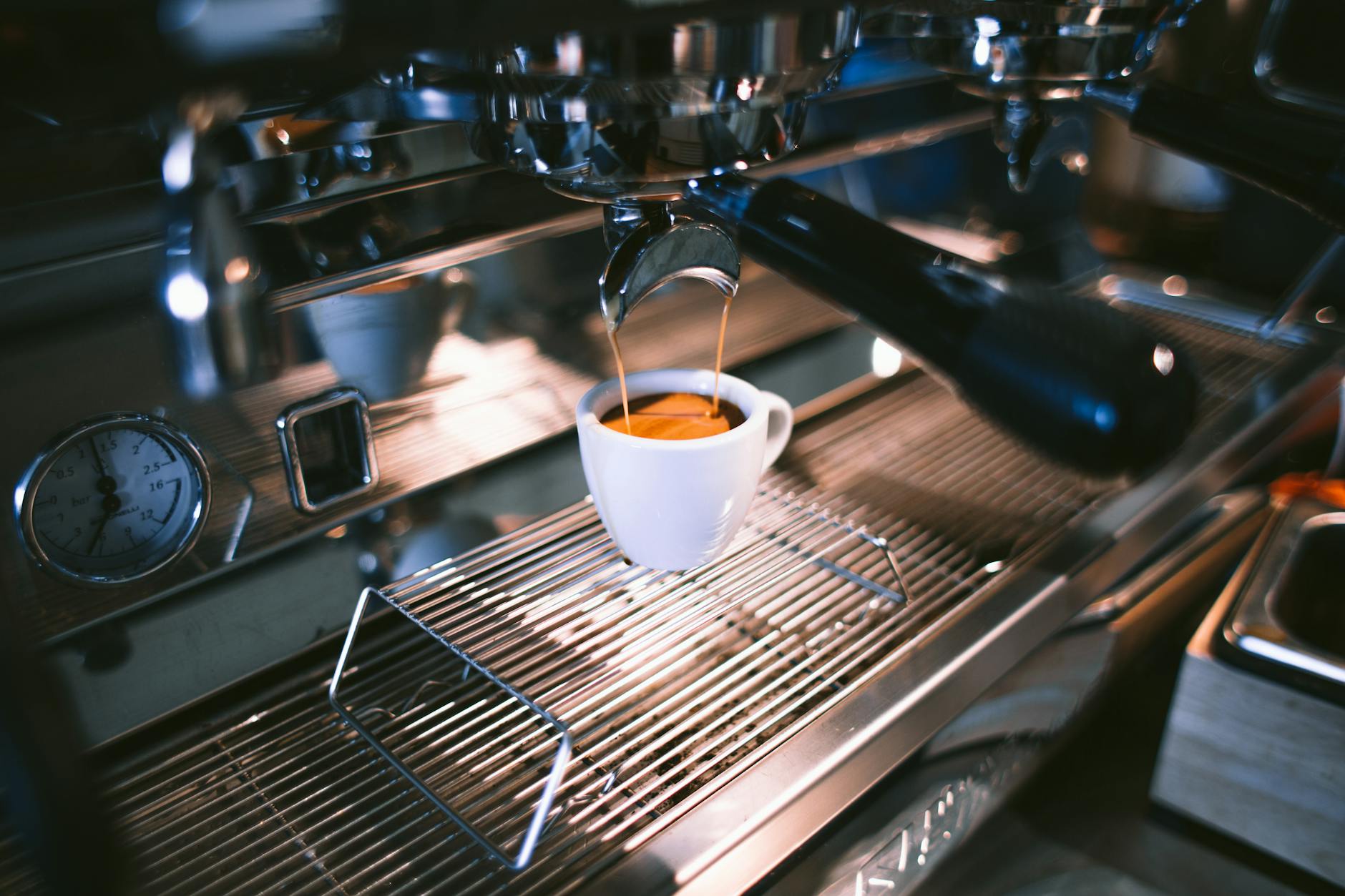
The allure of a spring lever espresso machine is undeniable. Its manual nature offers a direct connection to the brewing process, promising a level of control and a quality of espresso that many automated machines struggle to replicate. However, this hands-on approach also presents a unique challenge: achieving consistency. The subtle interplay between grind, dose, temperature, and the machine’s inherent pressure profile can feel daunting. This article will demystify the process, providing a clear roadmap of techniques to help you master your spring lever. We will explore the critical steps, from meticulous puck preparation to managing temperature and pre-infusion, empowering you to pull delicious, repeatable shots of espresso every single time.
The foundation of consistency: puck preparation
Before you ever touch the lever, the fate of your shot is largely decided by how you prepare the coffee puck. With a spring lever’s declining pressure profile, any imperfections in the puck are magnified, often leading to channeling and an uneven extraction. The goal is to create a coffee bed of uniform density, which allows water to flow through it evenly. This process can be broken down into four crucial steps.
- Dosing: Weighing your coffee beans is non-negotiable for consistency. Use a scale accurate to at least 0.1 grams. A consistent dose ensures that the amount of coffee, the resulting headspace in the basket, and the puck’s resistance are the same from shot to shot. Small variations in dose can significantly alter extraction time and taste.
- Grinding: Your grinder is your most important tool. For a spring lever, you need a grinder capable of fine, uniform adjustments. The grind size dictates the primary resistance to the spring’s force. Grind just before you brew to maximize freshness and flavor.
- Distribution (WDT): Even after grinding, coffee grounds tend to clump together. The Weiss Distribution Technique (WDT) is essential for breaking up these clumps and creating a fluffy, homogenous bed of coffee. Use a tool with very fine needles (0.4mm or less) and gently rake through the grounds in circular or crisscross patterns, ensuring you reach the bottom of the basket.
- Tamping: The purpose of tamping is to compact the grounds into a level, uniform puck. The amount of force is less important than the technique. Ensure your tamp is perfectly level to prevent water from finding a path of least resistance down one side. A self-leveling or calibrated tamper can be an excellent investment to remove this variable.
Mastering temperature and pre-infusion
With a perfectly prepared puck, your next focus is managing the machine’s variables, specifically temperature and pre-infusion. Spring lever machines, particularly those with exposed groupheads like the La Pavoni or Elektra Microcasa, are highly sensitive to thermal changes. An unstable temperature can swing a shot from sour to bitter in an instant. Pre-infusion, the initial wetting of the puck at low pressure, is your primary tool for controlling the dynamics of the extraction itself.
Effective temperature management starts with understanding your machine’s behavior. Is the grouphead running too hot or too cold? A cold group will produce sour, under-extracted shots, while an overheated one will result in bitter, burnt flavors. You can manage this by performing warming flushes (pulling blank shots with no coffee) to bring a cold group up to temperature, or by using a cold, wet towel on the grouphead to cool it down. For ultimate control, installing a grouphead thermometer strip is a game-changer, giving you a precise temperature reading to aim for.
Once your temperature is stable, you control the pre-infusion. By lifting the lever, you allow water from the boiler to enter the group and saturate the puck under low pressure. The duration of this phase is critical. A longer pre-infusion allows the coffee to become fully saturated, which can help extract more complex flavors from lighter roasts. A shorter pre-infusion may be preferable for darker roasts to avoid over-extraction. Time this phase carefully, looking for the first few drops of espresso to appear at the bottom of the basket before releasing the lever.
Executing the pull and reading the shot
This is the moment of truth. After meticulous preparation, it’s time to release the lever and let the spring do its work. Your role now is to observe and learn. The way the shot develops provides a wealth of information that you can use to fine-tune your next attempt. A bottomless portafilter is an invaluable diagnostic tool here, as it gives you an unobstructed view of the extraction.
As you gently release the lever, watch for the first drops of espresso to form. Ideally, they should appear as a single bead in the center of the basket before coalescing into a steady, viscous stream often described as a “mouse tail.” The color should be a dark, rich crema. If you see jets of pale liquid shooting out (channeling) or the flow starting from one side, it points to an issue in your puck preparation. The shot will gradually lighten in color, a process known as “blonding,” which indicates the end of the ideal extraction window. Stopping the shot before it becomes too pale is key to avoiding bitterness.
Beyond visual cues, use a scale and a timer. Aim for a specific brew ratio, such as 1:2 (e.g., 18 grams of coffee in, 36 grams of liquid espresso out). The total time, including pre-infusion, is a useful guide. A typical shot might run for 25-35 seconds, but remember that taste is the ultimate arbiter. These numbers are merely signposts to guide you toward a delicious result.
Troubleshooting and dialing in your recipe
Consistency is not about pulling the exact same shot every time, but about understanding how to make intentional adjustments to achieve your desired taste. When a shot doesn’t taste right, you need to know which variable to change. This iterative process of tasting, diagnosing, and adjusting is known as “dialing in.” It’s a skill that turns brewing from a chore into a craft. Don’t change more than one variable at a time, or you won’t know what caused the change in taste. For example, if your shot is sour, you might try grinding finer or increasing your yield, but not both at once. Keep a small notebook to track your parameters (dose, grind setting, time, yield) and taste notes. This data will become an invaluable resource.
| Problem (Taste) | Visual Cue | Potential Cause | Solution |
|---|---|---|---|
| Sour, thin, acidic | Flows very fast, pale and watery crema (blonding happens quickly) | Under-extraction | Grind finer to increase resistance and slow the shot. You can also slightly increase the dose or pull a longer shot (increase yield). |
| Bitter, harsh, burnt | Flows very slowly (chokes the machine), dark and spotty crema | Over-extraction | Grind coarser to decrease resistance and speed up the shot. You can also slightly decrease the dose or pull a shorter shot (decrease yield). |
| Both sour and bitter | Channeling (sprays/jets), uneven flow from the basket | Uneven extraction | Improve your puck preparation. Focus on distribution (WDT) and ensuring a perfectly level tamp. A too-high group temperature can also cause this. |
| Salty or hollow | Shot looks good but lacks flavor or has a saline taste | Extreme under-extraction or stale coffee | Check your coffee’s roast date. If fresh, grind significantly finer as your starting point is likely too coarse. |
Mastering a spring lever espresso machine is a journey of patience and precision. It’s a departure from the one-button convenience of modern appliances, demanding a deeper engagement with the coffee itself. By focusing on the core principles, you can transform variables into constants. Meticulous puck preparation lays a flawless foundation. Diligent temperature management ensures a stable brewing environment. Controlled pre-infusion dictates the extraction’s character. Finally, by learning to read the visual and taste cues of each shot, you gain the ability to make targeted adjustments. While the learning curve can be steep, the reward is an unparalleled cup of espresso, crafted with skill and intention, and a consistency that comes not from automation, but from true understanding.
 No products in the cart.