

There’s nothing quite like the rich aroma and bold flavor of a freshly brewed espresso made from The Coffee Bean & Tea Leaf beans. That first sip can set the tone for your entire day. However, that peak flavor is fleeting. From the moment you open a new bag, your precious beans begin a battle against the elements that want to rob them of their freshness. Stale, dull coffee is a disappointing experience for any enthusiast. The secret to preserving that cafe-quality taste at home lies not in a complex brewing machine, but in simple, effective storage. This guide will walk you through the essential techniques to protect your CBTL espresso beans, ensuring every cup is as vibrant and delicious as the last.
Understanding the four enemies of coffee freshness
Before we dive into the how of storage, it’s crucial to understand the why. Coffee beans are a delicate agricultural product, and their complex aromatic compounds and oils are highly volatile. To protect them, you must shield them from four primary adversaries: oxygen, light, heat, and moisture. Think of these as the villains in your coffee’s story. Oxygen causes oxidation, a chemical process that makes the oils in your beans turn rancid, resulting in a flat, stale taste. It’s the same process that turns a cut apple brown.
Light, particularly direct sunlight, is another foe. Its UV rays act as a catalyst, breaking down the very molecules that give your CBTL espresso its signature flavor and aroma. Heat accelerates all of these negative chemical reactions. Storing beans near a stove, a sunny window, or any heat source will rapidly age them. Finally, moisture is a major threat. Coffee beans are hygroscopic, meaning they absorb moisture from their surroundings. This not only ruins the flavor but can also create a breeding ground for mold. By understanding and combating these four elements, you’ve already won half the battle for fresh coffee.
Choosing the right container and location
Now that you know what to fight, let’s talk about your arsenal. The bag your CBTL beans come in is designed with a one-way valve to let CO2 (a byproduct of the roasting process) out without letting oxygen in. It’s great for transport and short-term storage, but once opened, it’s no longer the ideal home for your beans. For long-term freshness, you need a dedicated storage container.
Your ideal container should have these features:
- Airtight: This is non-negotiable. A tight seal is your first line of defense against oxygen. Look for containers with a silicone or rubber gasket.
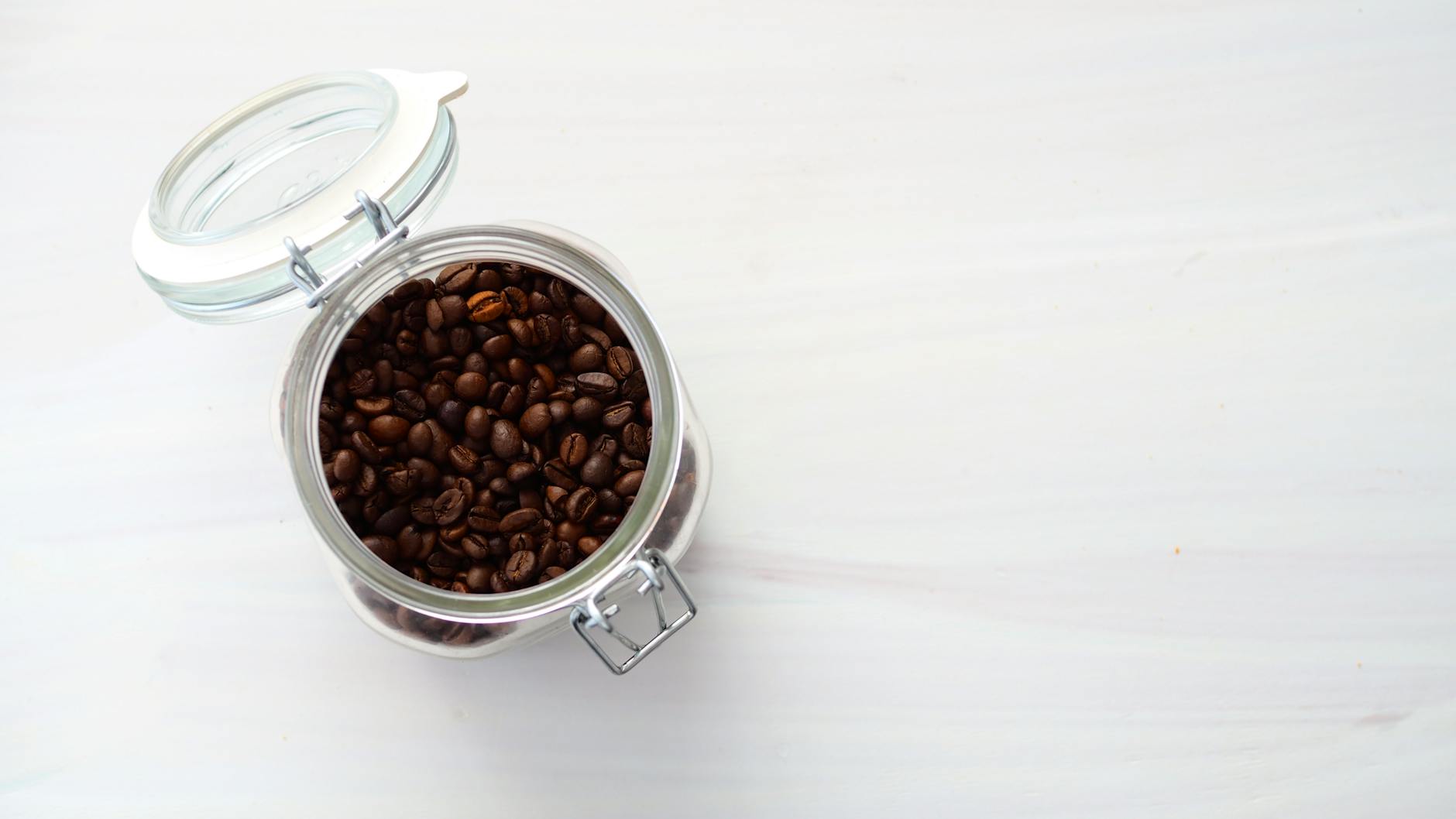
- Opaque: To protect against light, the container must be opaque. Avoid clear glass or plastic jars, no matter how nice they look on your counter. Stainless steel or ceramic canisters are excellent choices.
- Non-reactive: The material shouldn’t impart any unwanted flavors to your beans. Again, food-grade stainless steel and ceramic are perfect.
The location is just as important as the container. The best place for your coffee is in a cool, dark, and dry place. A pantry or a cabinet that is not next to the oven or a dishwasher is the perfect environment. This simple choice of “where” keeps your beans safe from heat, light, and any excess kitchen humidity.
The freezer debate: A cool solution or a fatal flaw?
One of the most common questions in coffee storage is whether to use the refrigerator or freezer. Let’s clear this up: never store your daily coffee in the refrigerator. The fridge is a humid environment, and the constant opening and closing will create condensation, which is a disaster for your beans. Furthermore, beans are porous and will absorb the aromas of everything else in your fridge, from last night’s leftovers to that wedge of cheese.
The freezer is a more nuanced topic. It can be an effective tool for long-term storage, but only if done correctly. If you buy beans in bulk and won’t use them within a few weeks, you can freeze a portion. To do this, divide the beans into small, weekly-supply batches in truly airtight, freezer-safe bags. Squeeze out as much air as possible before sealing. When you’re ready to use a batch, take it out of the freezer and let it thaw completely to room temperature before you open the bag. Opening it while still frozen will cause condensation to form on the beans, introducing damaging moisture. Crucially, never refreeze coffee beans once they have been thawed.
| Storage Method | Best For | Pros | Cons |
|---|---|---|---|
| Pantry Cabinet | Daily / Weekly Use | Protects from all 4 enemies; easy access. | Requires a dedicated airtight container. |
| Countertop | Not Recommended | Convenient. | Often exposed to light and heat. |
| Refrigerator | Never | None. | Moisture and odor absorption ruin coffee. |
| Freezer | Long-term (1+ month) | Preserves freshness for months. | Risk of condensation if done improperly; cannot be refrozen. |
Maximizing flavor: The power of whole beans
Perhaps the most impactful storage technique of all has less to do with a container and more to do with the form of the coffee itself. Always, if possible, buy whole bean coffee. The moment coffee is ground, its surface area increases exponentially. This massive exposure to oxygen means ground coffee goes stale in a matter of minutes, not days. The protective outer shell of the whole bean is nature’s own perfect storage container.
By investing in a decent burr grinder and grinding your CBTL espresso beans just seconds before you brew, you unlock their maximum flavor potential. You release all the volatile aromatic compounds right into your brewing device, rather than letting them dissipate into the air. Think of it like a spice: you wouldn’t use pre-ground black pepper from a year ago and expect it to have the same kick as freshly cracked peppercorns. Coffee is no different. Grinding on demand is the final, critical step in the journey from a perfectly stored bean to a perfect cup of espresso.
In conclusion, preserving the exceptional quality of your CBTL espresso beans at home doesn’t require expensive gadgets, but rather a mindful approach to storage. The key is to create a fortress for your beans, protecting them from their four main enemies: air, light, heat, and moisture. This is best achieved by using an opaque, airtight container stored in a cool, dark pantry. While the freezer can be used for long-term bulk storage, it must be approached with care to avoid condensation. Ultimately, the most significant step you can take is to buy whole beans and grind them only when you’re ready to brew. By embracing these practices, you ensure that your investment in premium coffee pays off with every single cup.


 No products in the cart.