

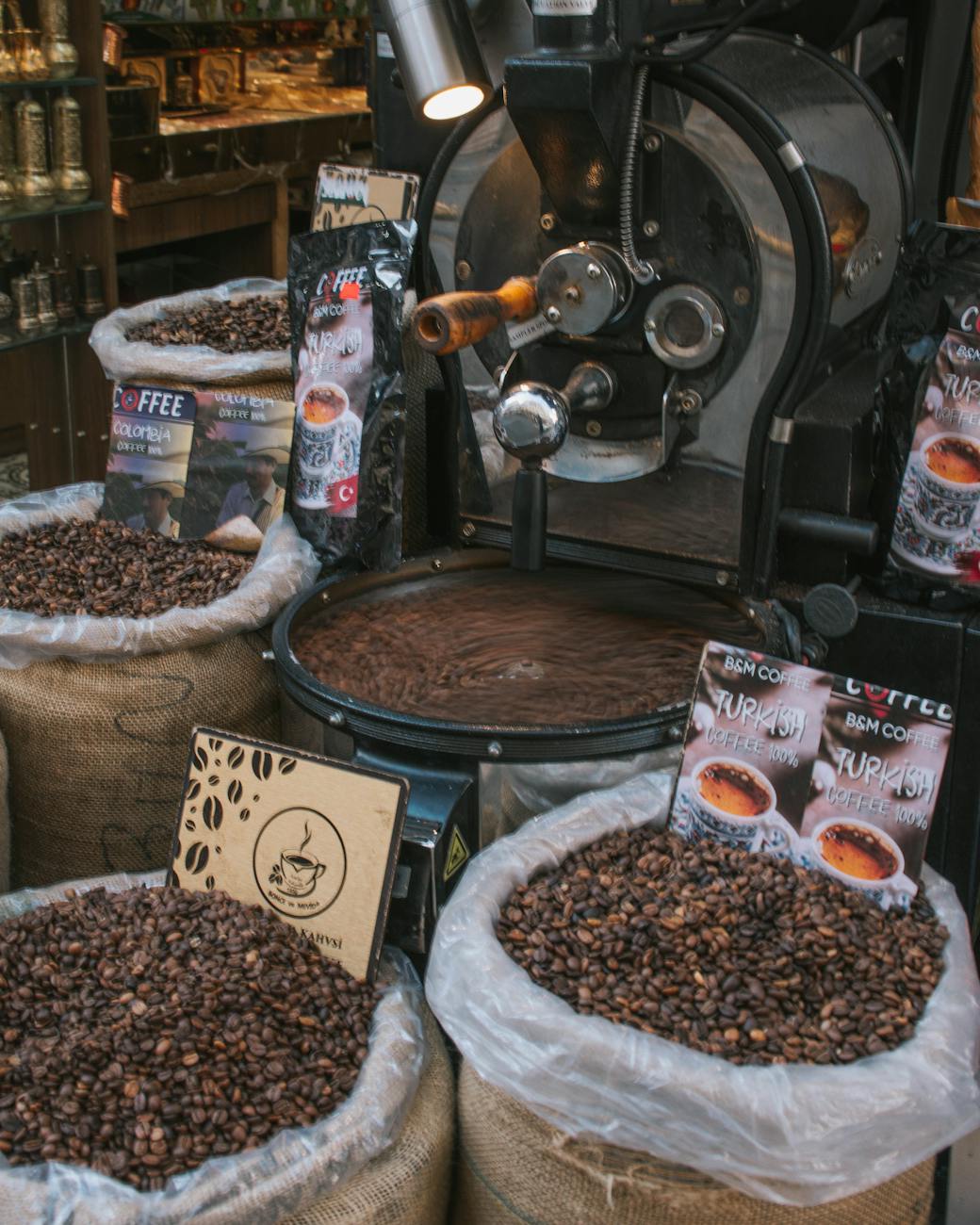
The ultimate guide to sourcing and selecting beans for specialty Turkish coffee
Turkish coffee, a UNESCO-recognized cultural heritage, is far more than just a beverage; it’s a ritual, a tradition steeped in history. For centuries, this brewing method, known as cezve or ibrik, has been celebrated for its rich body, intense flavor, and velvety foam. However, the modern specialty coffee movement has begun to re-examine this ancient technique, proving that the foundation of a truly exceptional cup lies not just in the method, but in the beans themselves. Moving beyond generic, dark-roasted blends opens up a world of flavor. This guide will explore the crucial art of sourcing and selecting the perfect coffee beans, transforming your traditional Turkish coffee into a nuanced and unforgettable specialty experience, focusing on origin, roast, and grind.
Understanding the foundation: Bean origins and varietals
The first step in elevating your Turkish coffee is to discard the outdated notion that any dark, smoky bean will suffice. The intense extraction of the cezve method actually highlights the characteristics of the bean, for better or worse. A poor-quality bean will result in a harsh, bitter brew, while a high-quality, single-origin bean will reveal a symphony of complex flavors. Traditionally, coffees from Yemen or Brazil were favored for their classic, heavy-bodied profiles. In the specialty world, the possibilities are far more exciting.
Different origins offer distinct tasting notes that can be beautifully expressed through this method:
- Ethiopia: Often called the birthplace of coffee, Ethiopian beans are known for their bright, floral, and tea-like qualities. A naturally processed Ethiopian bean can produce a Turkish coffee with stunning notes of blueberry, jasmine, and citrus, offering a modern and aromatic take on the tradition.
- Brazil: For those who prefer a more classic and comforting cup, Brazilian beans are an excellent choice. They typically have low acidity, a full body, and dominant flavors of chocolate, nuts, and caramel. They create a rich, syrupy brew that is both forgiving and deeply satisfying.
- Colombia: Colombian coffees are celebrated for their balance. They offer a perfect middle ground with a medium body, pleasant acidity, and a sweet flavor profile reminiscent of brown sugar, citrus, and red fruit. They make a well-rounded and versatile cup of Turkish coffee.
The processing method—how the fruit is removed from the coffee seed—also plays a significant role. Natural (dry) processed beans, where the cherry is dried whole around the bean, tend to have more fruit-forward flavors and a heavier body, which are often desirable qualities in a Turkish brew.
The critical role of the roast profile
Once you’ve selected an origin, the next critical factor is the roast. The biggest myth surrounding Turkish coffee is that it requires a very dark, oily roast. In reality, a dark roast obliterates the bean’s delicate origin flavors and, when combined with the ultra-fine grind, produces an overwhelmingly bitter and ashy taste. For a specialty approach, the goal is to highlight, not hide, the bean’s inherent qualities.
Light to medium roasts are the ideal choice. A light roast is perfect for high-quality beans with complex aromatics, such as a washed Ethiopian. It preserves the bean’s natural acidity and vibrant floral and fruity notes. Brewing a light roast in a cezve requires a bit more care to avoid sourness, but the reward is a uniquely bright and transparent cup. A medium roast is often the sweet spot for Turkish coffee. It develops the bean’s sweetness and body, introducing notes of caramel and toasted nuts while still allowing the origin character to shine through. It is more forgiving than a light roast and provides a balanced, rich, and flavorful brew that appeals to a wide range of palates.
The non-negotiable: Grind size and freshness
While origin and roast set the stage for flavor, the grind is the technical key to a successful Turkish coffee. The required consistency is non-negotiable: the coffee must be ground to a powder as fine as flour or cocoa. This is significantly finer than espresso. This talcum-powder-like consistency is essential for two reasons. First, it creates an immense surface area, allowing for a rapid and full extraction during the very short brewing time. Second, it is what allows the coffee particles to remain suspended in the water, creating the iconic thick body and the rich, stable foam, or kaymak, on top.
Achieving this grind at home is a challenge. Standard blade or burr grinders are not designed to go this fine and can be damaged in the attempt. You will need a dedicated manual or electric Turkish coffee grinder. Because of this massive surface area, pre-ground coffee goes stale incredibly fast due to oxidation. For the best possible flavor, always buy fresh, whole beans from a reputable roaster and grind them immediately before you brew. If you must buy pre-ground, purchase it in small, vacuum-sealed quantities from a roaster who can grind it to the correct fineness on demand.
Putting it all together: A practical selection guide
Choosing the right bean can seem daunting, but by combining the principles of origin, roast, and freshness, you can easily find the perfect coffee for your taste. If you’re just beginning your journey, start with a forgiving bean like a medium-roast Brazil to master your technique. From there, you can begin to explore different profiles. Ask your local specialty roaster for recommendations; they are often an invaluable resource for finding fresh and interesting coffees suitable for the cezve method.
This table can serve as a simple guide to help you select your next bag of beans:
| Origin | Typical flavor profile | Recommended roast | Best for… |
|---|---|---|---|
| Brazil | Chocolate, nuts, caramel, low acidity | Medium | A classic, comforting, and forgiving brew. Great for beginners. |
| Ethiopia (Natural) | Blueberry, strawberry, floral, winey | Light to Light-Medium | A modern, bright, and aromatic cup for the adventurous brewer. |
| Colombia | Caramel, orange, red apple, balanced | Medium | A versatile and well-rounded cup with pleasant sweetness. |
| Yemen | Spices, dried fruit, chocolate, earthy | Medium | An intense, complex, and historical flavor experience. |
The journey to the perfect cup is one of experimentation. Don’t be afraid to try new things and discover what you enjoy most.
Conclusion
The path to exquisite Turkish coffee begins long before the cezve touches the heat. It starts with a conscious and informed choice of coffee bean. By moving away from the tradition of anonymous, dark-roasted blends and embracing the principles of the specialty coffee world, you can unlock an incredible spectrum of flavor. The key lies in selecting high-quality, single-origin beans, opting for a light to medium roast profile that honors their inherent characteristics, and ensuring an exceptionally fine and fresh grind. This deliberate approach transforms the ancient ritual of Turkish coffee from a simple, strong brew into a sophisticated and deeply rewarding gourmet experience, proving that even the oldest traditions have new and exciting stories to tell.



 No products in the cart.