

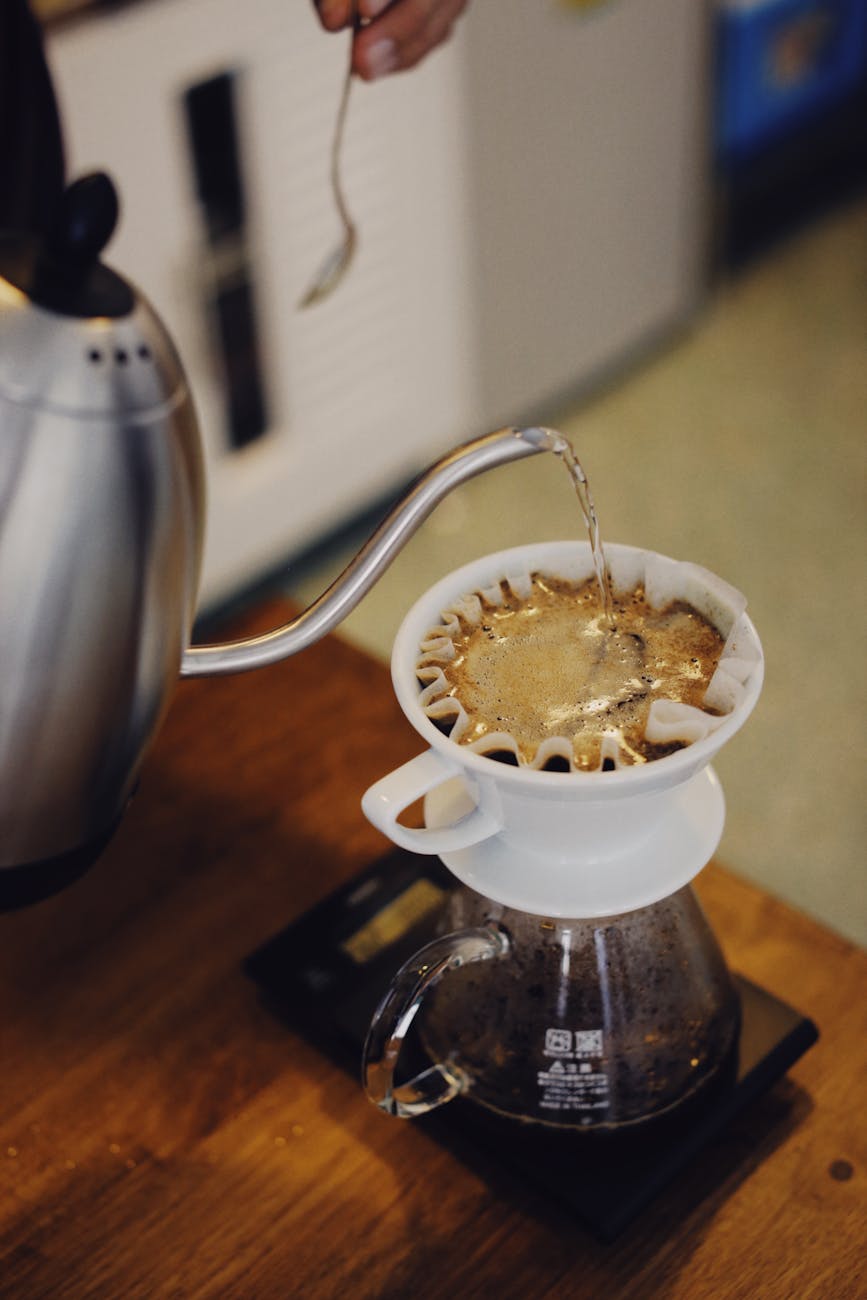
Slow feeding for dark roasts: Reducing bitterness and increasing sweetness
For many coffee lovers, a dark roast represents the pinnacle of a rich, bold, and intense coffee experience. Those deep chocolatey, nutty, and smoky notes are a comforting classic. However, brewing dark roasts, especially as espresso, often walks a fine line between rich intensity and harsh, ashy bitterness. This bitterness can mask the subtle sweetness and complexity lying dormant within the beans. If you’ve ever pulled a shot that tasted more like charcoal than chocolate, you understand the challenge. This article explores a powerful technique known as “slow feeding,” a method specifically designed to tame that bitterness and unlock the hidden sweetness in your favorite dark roast coffees, transforming your espresso from a gamble into a consistently delicious treat.
Understanding the dark roast dilemma
To solve the problem of bitter dark roast espresso, we first need to understand why it happens. The issue begins with the roasting process itself. As coffee beans are roasted to a darker profile, they undergo significant physical and chemical changes. They become more porous, brittle, and less dense. The intense heat forces natural oils to the surface of the bean, creating that characteristic sheen. While beautiful, these traits make the coffee highly soluble and fragile.
When you grind these brittle beans and attempt a standard espresso extraction, their high solubility means they give up their compounds to the water very quickly. Applying the full nine bars of pressure from the start can be too aggressive. This often leads to channeling, where water blasts through weaker parts of the coffee puck, over-extracting those channels and leaving other parts under-extracted. This uneven extraction is a primary source of bitterness, as the over-extracted grounds release an abundance of harsh, bitter compounds, completely overwhelming the sweeter notes.
What is slow feeding?
Slow feeding is a modern espresso brewing technique that focuses on a gentle and controlled start to the extraction process. Instead of immediately hitting the coffee puck with full pressure, slow feeding involves starting the shot with a very low flow rate. The goal is to slowly and completely saturate the entire puck of coffee grounds before ramping up to full extraction pressure. Think of it like watering a very dry potted plant. If you pour a bucket of water on it all at once, most of it will run off the sides. But if you drizzle water slowly, the soil has time to absorb it evenly.
This method gently wets the grounds, allowing them to swell and settle into a stable, uniform structure. This stability is the key to preventing channeling. By creating a more homogenous puck, you ensure that when you do apply full pressure, the water is forced to flow evenly through all the coffee particles. This sets the stage for a balanced extraction, which is the secret to taming a volatile dark roast and achieving a sweeter, more well-rounded shot.
The science of sweetness and taming bitterness
The magic of slow feeding lies in how it manipulates the extraction of different flavor compounds. Coffee extraction isn’t a single event; it’s a sequence. The first compounds to dissolve in water are acids and sugars, which contribute to brightness and sweetness. Bitter compounds, such as certain alkaloids and products from the breakdown of chlorogenic acids, extract throughout the shot but become more dominant with over-extraction.
A standard, aggressive extraction on a fragile dark roast can blast through that initial sweet phase and rush straight into bitter territory due to channeling. Slow feeding changes the game. By ensuring even saturation with a low initial flow, you allow for a more complete and uniform extraction of those desirable sugars and caramels across the entire puck. You are essentially giving the sweet-tasting compounds a head start. When you finally ramp up the pressure, the water flows through a stable, saturated bed of coffee, leading to a much more balanced extraction profile. You pull out the deep, rich flavors dark roasts are known for, without the accompanying ashy bitterness from an uneven and rushed shot.
How to apply the slow feeding technique
Applying this technique is most straightforward on machines with flow control capabilities, but the principles can be adapted. The most important prerequisite, regardless of your equipment, is meticulous puck preparation. A consistent grind and the use of a Weiss Distribution Technique (WDT) tool are non-negotiable for creating a uniform puck density.
Here is a step-by-step guide:
- Prepare your puck: Grind your dark roast beans, distribute them evenly with a WDT tool, and tamp levelly and consistently. This foundation is critical.
- Start with low flow: Begin the extraction at a very low flow rate, around 2-4 milliliters per second. The goal is to see the bottom of your portafilter basket saturate with coffee, but not to have a steady stream.
- Wait for saturation: Hold this low flow for about 10-15 seconds, or until you see the first few drops of espresso begin to form. You are “feeding” the puck with water slowly.
- Ramp up pressure: Once the puck is saturated, smoothly increase the flow or pressure to your target, typically around 9 bars, to complete the main phase of the extraction.
- Finish the shot: Stop the shot based on your desired brew ratio. For dark roasts, a shorter ratio like 1:1.5 or 1:2 (e.g., 18g of coffee in, 27-36g of espresso out) often yields a sweeter, more concentrated result.
Here’s how a slow-fed shot might compare to a standard one:
| Parameter | Standard Shot | Slow Feed Shot | Rationale |
|---|---|---|---|
| Grind Size | May need to be coarser to avoid choking | Can often be ground finer | Gentle saturation allows for a finer grind without causing channeling, increasing surface area for extraction. |
| Pre-infusion | Short, passive, or full pressure from start | 10-15 seconds at a very low flow rate (2-4ml/s) | Ensures full and even puck saturation before the main extraction begins. |
| Total Shot Time | Typically 25-30 seconds | Typically 35-45 seconds (including the long pre-infusion) | The extended contact time is gentle, not aggressive, focusing on balanced flavor extraction. |
| Taste Profile | Prone to bitterness, ash, and thin body | Sweeter, more body, notes of dark chocolate and caramel | Even extraction minimizes bitterness and maximizes the perception of sweetness and texture. |
Conclusion
Brewing dark roast espresso doesn’t have to be a bitter battle. The physical fragility and high solubility that make these beans challenging are also what make them capable of producing incredibly rich and syrupy shots when handled correctly. The slow feeding technique is a deliberate approach that respects the unique character of dark roasts. By prioritizing a gentle, even saturation of the coffee puck before applying full pressure, you mitigate the risk of channeling, which is the primary culprit of bitterness. This method gives you the control to steer the extraction away from harshness and directly toward the deep, sweet, and comforting flavors you love. Experiment with slow feeding, and you will unlock a new level of consistency and sweetness in your dark roast espresso.


 No products in the cart.