

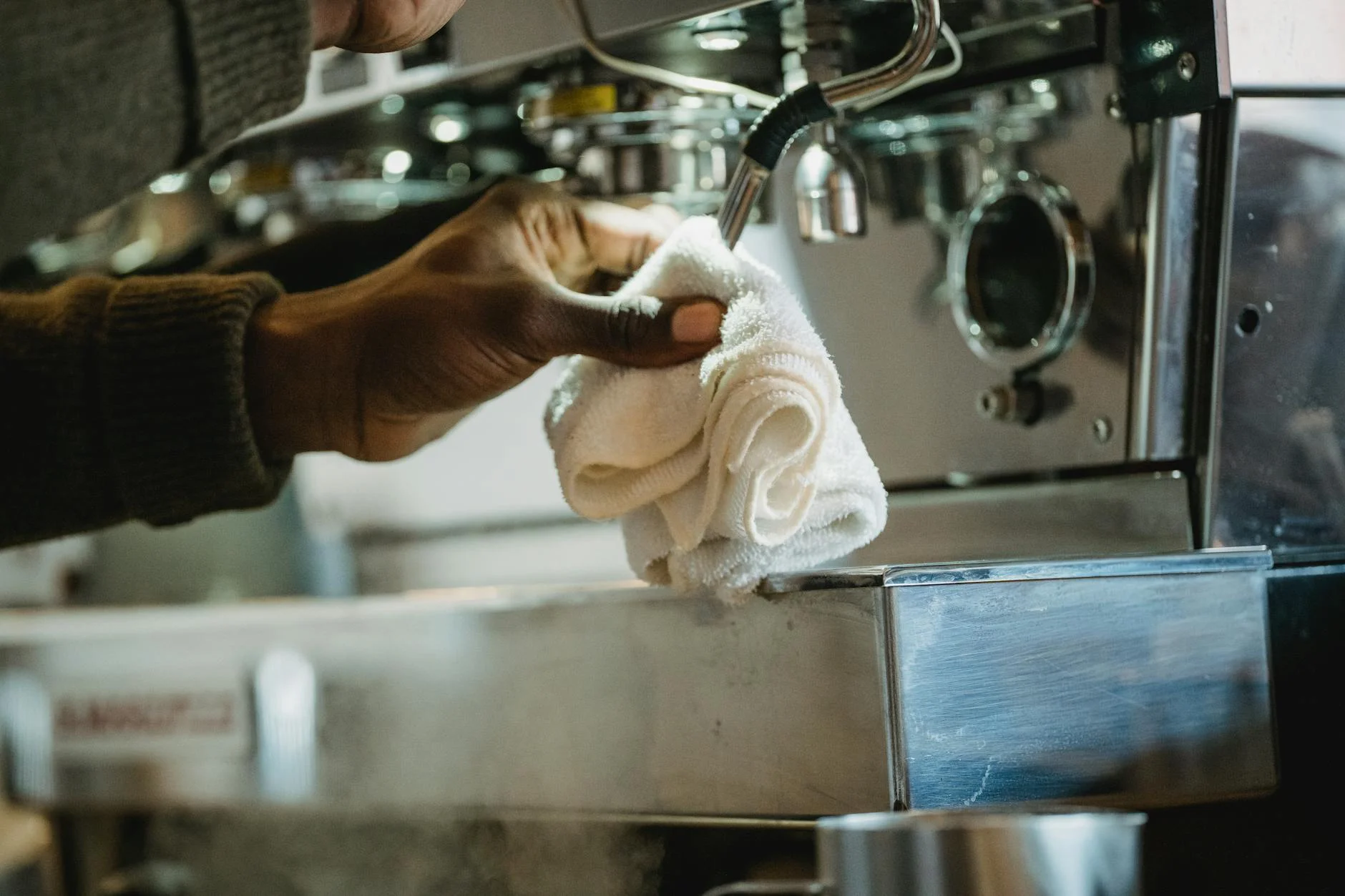
Is your Gaggia Classic sick? Signs it needs internal maintenance
The Gaggia Classic is a legend in the world of home espresso. Renowned for its durability and repairability, it’s a machine that can last for decades with the right care. However, even this workhorse will eventually show signs of wear and tear that go beyond the need for a simple cleaning or descaling. Recognizing these symptoms early is crucial for preventing catastrophic failure and ensuring your machine continues to pull delicious shots of espresso for years to come. This article will guide you through the key indicators that your Gaggia Classic is crying out for some deeper internal maintenance or a part replacement, from inconsistent coffee quality to worrying leaks and strange noises that disrupt your morning coffee ritual.
Inconsistent shot quality and temperature fluctuations
Perhaps the first and most frustrating sign that something is amiss internally is a sudden decline in the quality of your espresso. You might be using the same fresh beans, the same grind setting, and the same tamping pressure, yet your shots are unpredictable. One day they are sour and under-extracted, gushing out in 15 seconds. The next, they are bitter and over-extracted, choking the machine and dripping slowly.
This inconsistency is often rooted in temperature instability. The Gaggia Classic relies on simple thermostats to regulate the boiler temperature. When a brew thermostat begins to fail, it can no longer hold the water at the optimal 90-95°C (195-205°F) range. This leads to:
- Sour shots: Caused by water that is too cool, failing to properly extract the coffee solids.
- Bitter shots: Caused by water that is too hot, scalding the coffee grounds and over-extracting harsh compounds.
While heavy limescale buildup in the boiler can also insulate the heating element and cause temperature issues, a faulty thermostat is a very common culprit in older machines. If a thorough descaling doesn’t solve your consistency problems, it’s a strong signal that a new thermostat is in order.
Leaks and drips where there shouldn’t be any
Water belongs inside the machine, not outside of it. A leak is a clear and undeniable sign that a seal or part has failed. The location of the leak is your best clue to diagnosing the problem. The most common offender is the group head gasket, the large rubber ring that seals the portafilter to the machine. Over time, heat and pressure cause it to become hard, brittle, and cracked. You’ll notice water seeping over the top of the portafilter during an extraction, or a constant drip from the group head even when the machine is idle. Fortunately, this is an inexpensive and easy part to replace yourself.
A leak from the steam wand, either from the tip or the base where it pivots, points to worn-out O-rings or seals inside the steam valve. This not only creates a mess but also leads to a loss of steam pressure, making it difficult to properly froth milk. More concerning is any water pooling underneath the machine. This indicates a more serious internal leak from a cracked hose, a failed pump connection, or a leaking boiler seal. If you see water under your Gaggia, unplug it from the wall immediately and investigate the source.
Strange noises and weak pump pressure
Every Gaggia Classic owner is familiar with the signature vibratory pump’s loud hum. However, you should pay close attention to any changes in this sound. A pump that is on its way out will often sound different. It might make a loud, struggling, or rattling noise, as if it’s having trouble building pressure. This is often accompanied by a noticeable drop in performance.
The job of the pump is to force water through the coffee puck at approximately 9 bars of pressure. When the pump is weak or failing, it can’t achieve this pressure. The result is a fast, watery, and under-extracted shot of espresso, no matter how fine you grind your coffee. You can test this without coffee by running the pump with an empty portafilter; a healthy machine will produce a strong, steady stream of water, while a machine with a failing pump might produce a weak, sputtering flow. While a severe scale blockage can sometimes make a pump struggle, a persistent weak flow and a struggling sound usually mean the pump itself is nearing the end of its life.
A summary of common Gaggia Classic issues
To help you quickly diagnose your machine’s symptoms, here is a table summarizing the most common problems, their likely causes, and the recommended course of action.
| Sign | Potential Cause | Recommended Action |
|---|---|---|
| Sour or bitter shots | Failing brew thermostat or heavy boiler scale | Perform a thorough descaling. If the problem persists, replace the brew thermostat. |
| Dripping from group head | Worn and hardened group head gasket | Replace the group head gasket. This is a simple and cheap DIY repair. |
| Water pooling under the machine | Leaking internal hose, boiler seal, or pump connection | Unplug immediately. Open the machine to inspect for the source of the leak. |
| Loud, struggling pump noise | Failing vibration pump or a severe blockage | Descale the machine first. If there’s no improvement, the pump likely needs replacement. |
| No power or tripping breaker | Faulty power switch, short circuit from a leak, or blown fuse | Unplug immediately. This can be dangerous. Consult a qualified technician. |
Conclusion
Your Gaggia Classic is more than just an appliance; it’s an investment in great coffee. Paying attention to its performance is key to its longevity. In summary, declining shot quality and temperature swings often point to a failing thermostat. Any unexpected leaks, from a simple group head drip to a puddle on the counter, are clear calls for new seals or gaskets. Finally, changes in the pump’s sound or a noticeable drop in pressure are strong indicators that the heart of your machine is growing weak. The beauty of the Gaggia Classic lies in its simple design and the wide availability of spare parts, making most of these issues entirely fixable. By addressing these signs proactively, you can perform the necessary maintenance and keep your machine in peak condition, ensuring it remains a reliable source of delicious espresso for many more years.

 No products in the cart.