

Turkish coffee is more than just a beverage; it’s a cultural ritual, a UNESCO Intangible Cultural Heritage, and a unique brewing method that has captivated people for centuries. The magic lies in its preparation: coffee ground to a fine powder, boiled with water and sugar (if desired) in a special pot called a cezve. But before you even light the stove, the most crucial decision has already been made: selecting the coffee bean. Specifically, the roast profile of that bean will fundamentally define the aroma, body, and flavor of your final cup. This article will serve as your comprehensive guide to navigating the world of coffee roasts, helping you choose the perfect profile to brew an authentic and delicious Turkish coffee at home.
Understanding the demands of Turkish coffee preparation
To choose the right roast, we must first appreciate what makes Turkish coffee so unique. Unlike filtered methods like drip or pour-over, this technique involves boiling a super-fine, almost powder-like grind directly in water. The grounds are not removed; they settle at the bottom of the cup, and the unfiltered liquid is consumed. This direct and intense extraction process has profound implications for flavor.
Because the coffee grounds are in constant, high-heat contact with the water, flavor compounds are extracted very aggressively. A roast profile that works beautifully for an espresso, where water passes through the grounds for only 25-30 seconds, can taste completely different—and often unpleasant—when subjected to the sustained boiling of a cezve. Furthermore, a hallmark of a well-made Turkish coffee is the thick, persistent foam, or köpük, that forms on top. The roast level, oil content, and freshness of the beans directly impact the quality and stability of this coveted foam.
The spectrum of roast profiles: From light to dark
Coffee roasting is a process that transforms green coffee beans into the aromatic, brown beans we know. The duration and temperature of this process create a spectrum of roast profiles, each with distinct characteristics. Let’s explore how the three main categories behave when used for Turkish coffee.
- Light roast: These beans are roasted just long enough to reach the “first crack.” They retain most of the bean’s original characteristics, resulting in higher acidity, a lighter body, and prominent floral or fruity notes. For Turkish coffee, this can be problematic. The intense boiling can amplify the natural acidity, leading to a cup that is unpleasantly sour rather than bright. The delicate origin flavors often get lost or muddled in the unfiltered brew. It is not a traditional choice for this method.
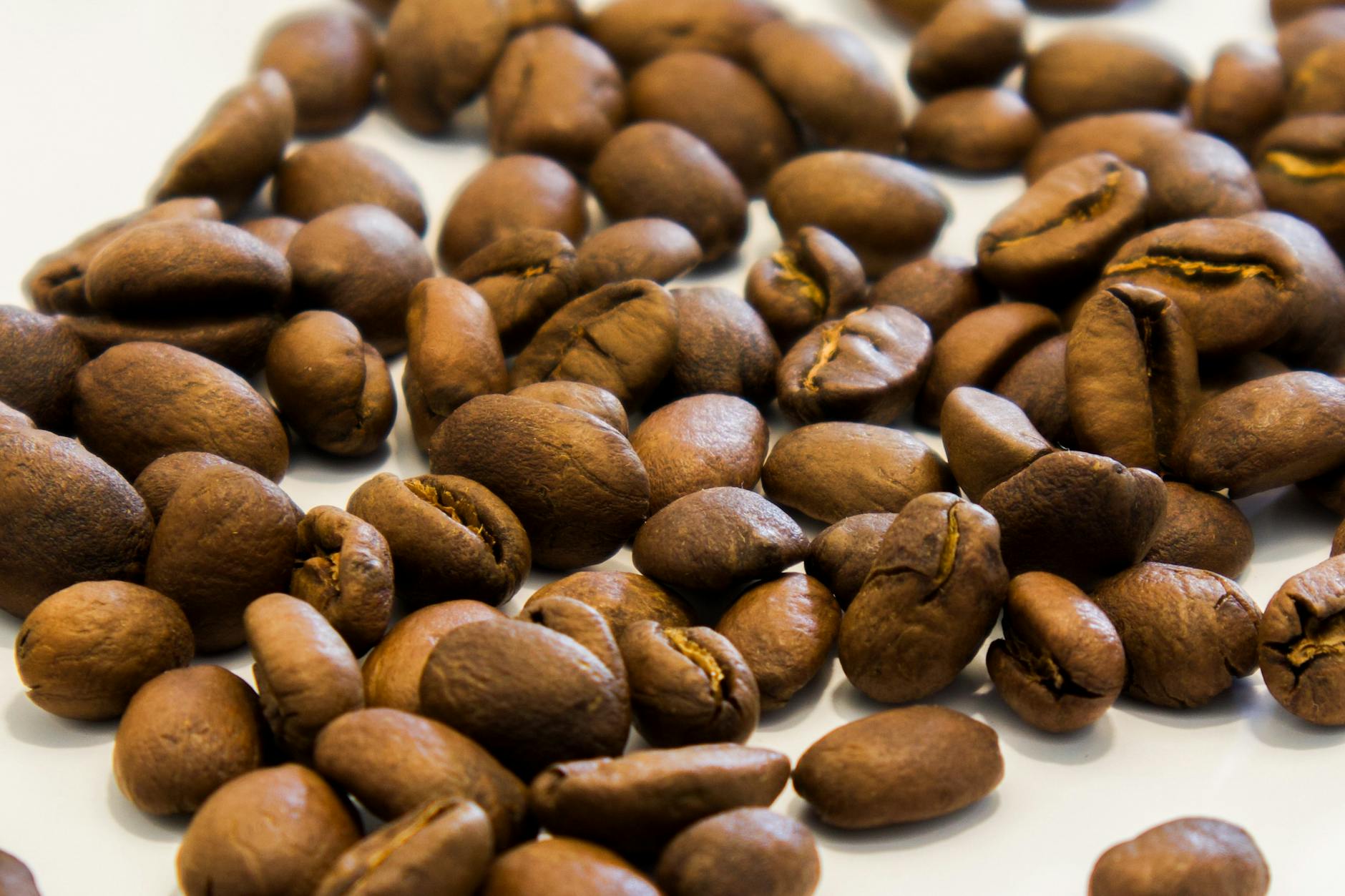
- Medium roast: This is widely considered the sweet spot for Turkish coffee. Roasted beyond the first crack but stopped before the second, medium roast beans offer a perfect balance. The bright acidity is tamed, and the bean’s natural sweetness is brought forward, revealing notes of caramel, chocolate, and nuts. This profile has enough body and soluble compounds to create a rich, stable foam and a flavor that is robust without being overwhelmingly bitter. It honors the coffee’s origin while standing up to the demanding brewing process.
- Dark roast: Taken to or beyond the “second crack,” these beans are oily, low in acidity, and have a heavy body. The flavor is dominated by the roast itself, with smoky, dark chocolate, and even ashy notes. When used for Turkish coffee, a dark roast can easily become overpowering. The boiling process can extract excessive bitterness, creating a harsh and pungent cup. While some may enjoy this intense, bitter profile, it’s a challenging roast to master and can often mask the nuances of the coffee, resulting in a one-dimensional flavor.
The traditional choice vs. modern interpretations
The connection between Turkish coffee and a medium roast is steeped in history. Traditionally, coffee was often roasted at home or in small shops in a pan over an open flame. This method naturally lends itself to a medium or medium-dark roast level. Consequently, the classic, authentic flavor profile that has been passed down through generations is one of balanced sweetness, low acidity, and a rich, nutty, and chocolatey body. Roasters in Turkey, the Levant, and the Balkans who specialize in coffee for this preparation almost exclusively use a medium roast, often with beans from Brazil or Central America that provide a solid, classic coffee foundation.
However, the modern “third wave” coffee movement has inspired experimentation. Some specialty coffee enthusiasts now use single-origin, light-roasted beans (like a fruity Ethiopian Yirgacheffe or a floral Panamanian Geisha) for Turkish coffee. The goal is to highlight the bean’s unique terroir. This approach requires incredible precision in brewing—controlling temperature and time meticulously to avoid a sour result. The final cup is a radical departure from the traditional taste: it’s brighter, more acidic, and complexly fruity. While a fascinating experiment for the adventurous brewer, it’s important to recognize this as a modern interpretation rather than the authentic, classic experience.
Practical tips for selecting your beans
Choosing the right roast is the first step. To ensure a perfect cup every time, here are a few final tips for buying and preparing your coffee.
First and foremost, freshness is non-negotiable. The extremely fine grind of Turkish coffee exposes a massive surface area to oxygen, causing it to go stale very quickly. Always buy whole beans from a reputable roaster with a recent roast date and grind them immediately before brewing.
When shopping, look for roaster’s notes that align with the classic profile. Descriptions like “balanced,” “low acidity,” “nutty,” “chocolate,” or “caramel” are excellent indicators. If you’re new to this method, starting with a coffee explicitly labeled or recommended for Turkish preparation is a safe bet.
| Roast profile | Expected flavor | Foam (Köpük) quality | Best for |
|---|---|---|---|
| Light roast | High acidity, sour, grassy, fruity | Thin and unstable | Experienced brewers seeking a modern, acidic cup. Not for beginners. |
| Medium roast | Balanced, sweet, chocolate, nutty, caramel | Rich, thick, and stable | The traditional and recommended choice for an authentic experience. |
| Dark roast | Bitter, smoky, roasty, ashy | Can be thin due to oils | Those who prefer a very strong, intense, and bitter coffee. |
Ultimately, your journey into the world of Turkish coffee begins with a medium roast. It provides the ideal foundation for mastering the brewing technique and understanding the authentic flavor profile. Once you are comfortable with the process, you can begin to explore and find the nuances that best suit your personal palate.
In conclusion, the selection of a roast profile is not a minor detail but the very heart of crafting a superb Turkish coffee. While the brewing method itself is an art, the canvas is the coffee you choose. This article has shown that a medium roast stands as the undisputed champion for traditional preparation, offering a harmonious balance of sweetness, body, and rich flavor that creates the coveted thick foam. Light roasts present a modern, acidic alternative for the curious, while dark roasts risk tipping the scales into excessive bitterness. For anyone beginning their journey or seeking to perfect their technique, starting with freshly roasted, medium-profile whole beans is the surest path to success. This foundation will allow you to master the ritual and then, if you wish, to experiment, knowing you have an authentic baseline to return to.


 No products in the cart.